The 2025 Smartphone Landscape: Balancing Ultrathin Design, Battery Efficiency, and Performance Value
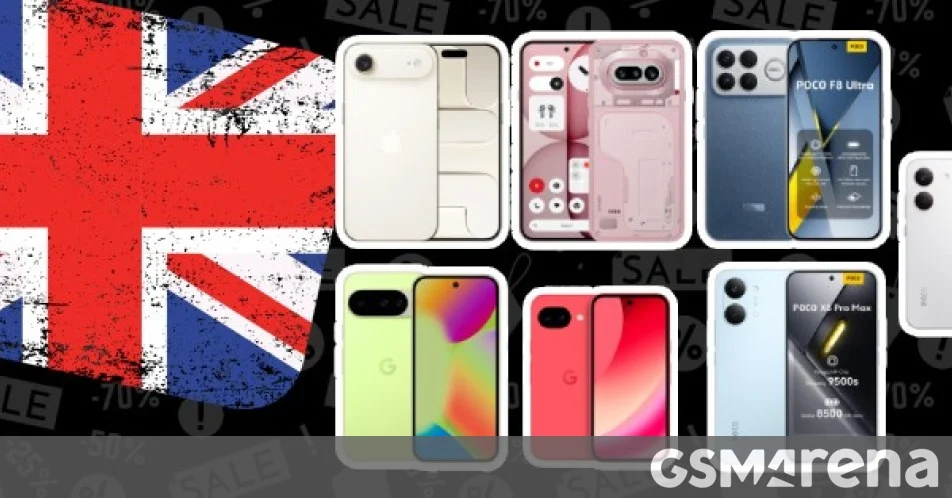
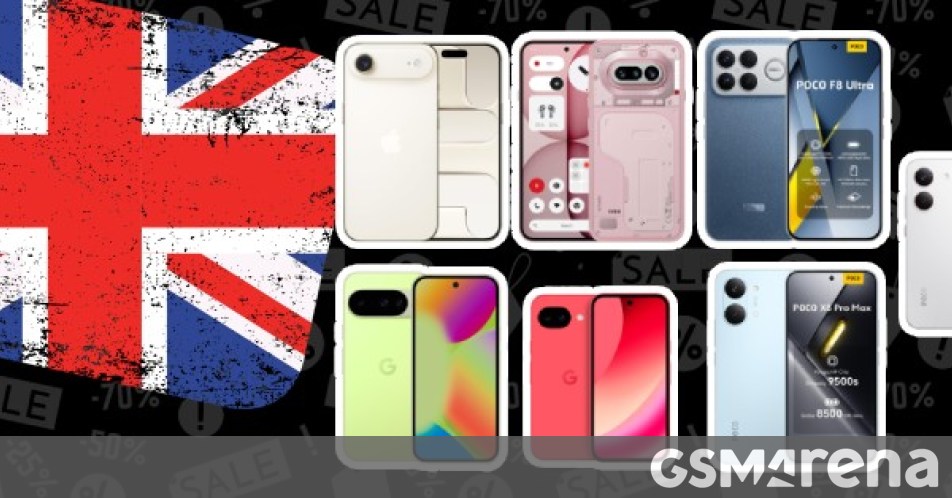
The smartphone market in 2025 is defined by a paradoxical tug-of-war: the pursuit of extreme portability versus the relentless demand for marathon battery life and high-octane processing power. As manufacturers look to differentiate their portfolios, consumers are presented with a wide array of choices, from the impossibly slender Apple iPhone Air to the power-hungry, high-capacity beasts from Poco and the evolving midrange offerings from Google and Nothing.
This report analyzes the current state of the market, examining how recent releases stack up against one another in terms of hardware efficiency, photographic capabilities, and overall value.
I. Main Facts: The Current Industry Benchmarks
The current market shift is heavily influenced by three distinct categories: Ultrathin Flagships, Optimized Mid-rangers, and Performance-First Value Devices.
The Ultrathin Paradigm
Apple’s iPhone Air has emerged as the definitive statement in modern industrial design. Measuring a mere 5.6mm in thickness and weighing only 165g, it is a marvel of engineering, utilizing a titanium frame to maintain structural integrity. However, this design philosophy necessitates significant compromises in internal space, leading to a smaller 3,149mAh battery. While the A19 Pro chipset provides unmatched efficiency, the hardware limitations are palpable.

The Efficiency Struggle
Conversely, the Google Pixel 10 represents the "standard" flagship form factor. At 8.6mm thick and 204g, it houses a larger 4,970mAh battery. Yet, real-world testing reveals that battery size is not the only factor in longevity. The Tensor G5 chipset, while feature-rich, currently lacks the power-sipping efficiency required to outperform smaller, more optimized counterparts.
II. Chronology of Market Developments
The past several weeks have seen a rapid succession of product launches and pricing adjustments that have reshaped the competitive landscape.

- Mid-Last Week: Following a series of significant discounts on the iPhone 17e and 17 Pro Max, market attention shifted toward the more experimental "Air" model, sparking a debate on whether portability outweighs utility.
- Late Last Week: The Nothing Phone (4b) entered the market following its pre-order window, creating immediate pressure on the brand’s existing 4a and 3 models.
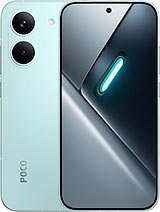
- Current Week: Poco launched a direct offensive in the value-performance segment, introducing the F8 Pro, F8 Ultra, and the X8 Pro series, effectively flooding the sub-flagship tier with high-spec alternatives.
III. Supporting Data: Comparative Performance Metrics
To understand the trade-offs involved in these devices, we must look at the "Active Use Score"—a proprietary metric gauging how long a device lasts under real-world conditions.
Battery Life vs. Performance
| Device | Battery Capacity | Active Use Score | Notable Trade-off |
|---|---|---|---|
| iPhone Air | 3,149mAh | 12:44h | Camera limitations |
| Pixel 10 | 4,970mAh | 12:08h | Tensor G5 efficiency |
| Pixel 10a | 5,100mAh | 15:13h | Loss of periscope lens |
| Nothing (4b) | 5,200mAh | N/A | Mid-range chipset |
| Poco F8 Ultra | 6,500mAh | N/A | High power draw |
The data highlights a surprising reality: the Google Pixel 10a, despite its budget-tier positioning, offers superior endurance compared to the flagship Pixel 10. By utilizing the mature Tensor G4 chipset, Google has achieved a level of power efficiency that the newer, more complex Tensor G5 has yet to replicate in its current iteration.

IV. Deep Dive: The Nothing and Poco Value Propositions
Nothing’s Internal Competition
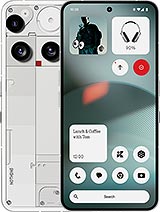
The Nothing ecosystem is currently in a state of self-cannibalization. The newly available Nothing Phone (4b) is priced £80 lower than the base 4a. However, the savings come at a steep cost: a downgrade from the Snapdragon 7s Gen 4 to the 6 Gen 4, slower UFS 2.2 storage, and the omission of the 50MP 3.5x periscope lens found in the 4a.
For users seeking the true Nothing experience, the Nothing Phone (3) remains the superior choice, despite its higher price point. With a £300 discount currently applied, it offers a flagship-grade Snapdragon 8s Gen 4, a sophisticated Silicon-Carbon (Si/C) battery, and a versatile triple-50MP camera array.
The Poco Offensive
Poco’s strategy is aggressive, focusing on "spec-sheet supremacy."
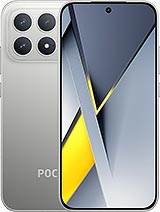
- The F8 Pro: Targets the upper-midrange with a Snapdragon 8 Elite and a massive 6,210mAh battery.
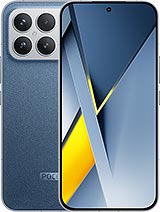
- The F8 Ultra: Positions itself as the ultimate performance king, adding a 6.9-inch 12-bit OLED display and a 6,500mAh battery that supports 50W wireless charging—a feature often reserved for phones costing double the price.
- The X8 Series: The X8 Pro and Pro Max provide a "near-flagship" experience via the Dimensity 9500s chipset. The Pro Max, in particular, is a battery juggernaut with an 8,500mAh Si/C cell, aimed squarely at power users who prioritize longevity over physical slimness.
V. Official Responses and Industry Implications
While official statements from manufacturers often focus on marketing buzzwords like "unprecedented speed" or "revolutionary design," the underlying implications for the industry are clear.
The Death of the "One Size Fits All" Phone
Manufacturers are no longer attempting to make a single phone that satisfies everyone. Apple is leaning into the "lifestyle" segment with the iPhone Air, accepting that some users prioritize aesthetics above all else. Meanwhile, Google is struggling to find the balance between AI-heavy processing (Tensor) and thermal efficiency.
The "Silicon-Carbon" Battery Revolution
A major trend observed in the high-capacity models from Nothing and Poco is the shift toward Silicon-Carbon (Si/C) battery chemistry. This allows for higher energy density without a proportional increase in physical volume. The implementation of this technology in the Poco X8 Pro Max (8,500mAh) suggests that we are approaching a future where two-day battery life becomes the standard, even for high-performance devices.
VI. Strategic Recommendations for Consumers
Based on current performance trends and market pricing, we can categorize consumer needs:
- For the Minimalist: The iPhone Air is the clear winner. If you value a device that disappears into your pocket and provides a premium feel, the sacrifices in battery and camera are a reasonable price to pay.
- For the Value Seeker: The Google Pixel 10a offers the best endurance in the Android space, provided the user can live without the advanced periscope zoom capabilities of the standard 10.
- For the Power User: The Poco F8 Ultra currently represents the best "bang for your buck." By integrating the latest Snapdragon 8 Elite and providing a robust, ultra-fast charging ecosystem, it challenges the value propositions of traditional flagship brands.
- For the Nothing Enthusiast: Skip the (4b). The price difference between it and the (4a) does not justify the significant drop in camera hardware and storage speed. Wait for the (3) to see further seasonal price corrections.
Future Outlook
As we move further into 2025, the industry will likely see a push toward "AI-Efficiency." Hardware manufacturers will need to ensure that their next-generation chipsets are as intelligent in power management as they are in processing data. For the consumer, the era of choice has never been greater, but it requires a careful assessment of personal priorities: does one prefer the slim, sleek silhouette of an iPhone Air or the raw, enduring power of an 8,500mAh Poco device?
Disclaimer: This analysis includes information on available deals. We may receive a commission from qualifying sales made through retail links.