Toyota Glanza Gets a Powerhouse Upgrade: The New Z12E Engine Takes Center Stage
By Lakshya Rana
Updated: October 14, 2026, 06:38 PM IST
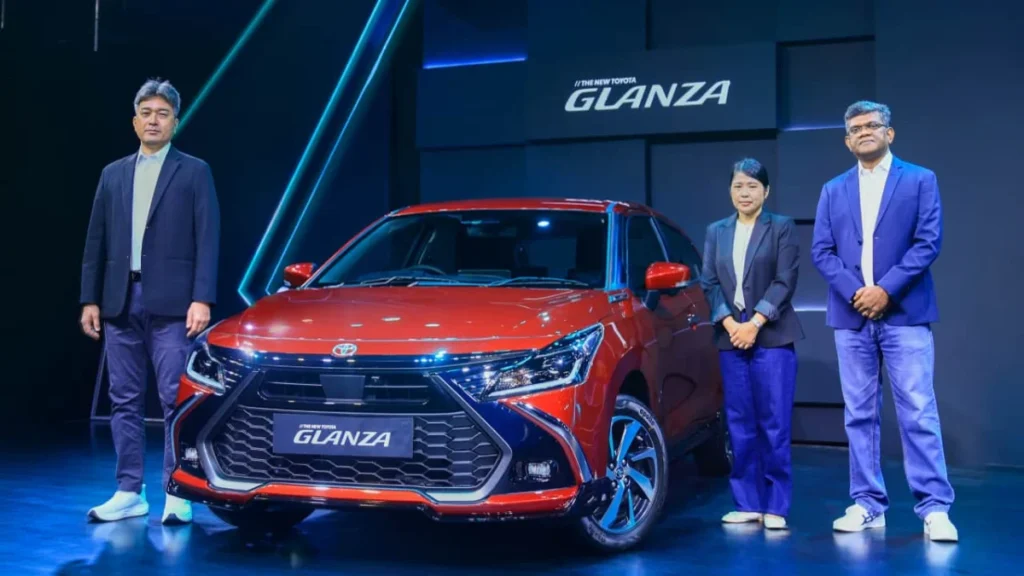
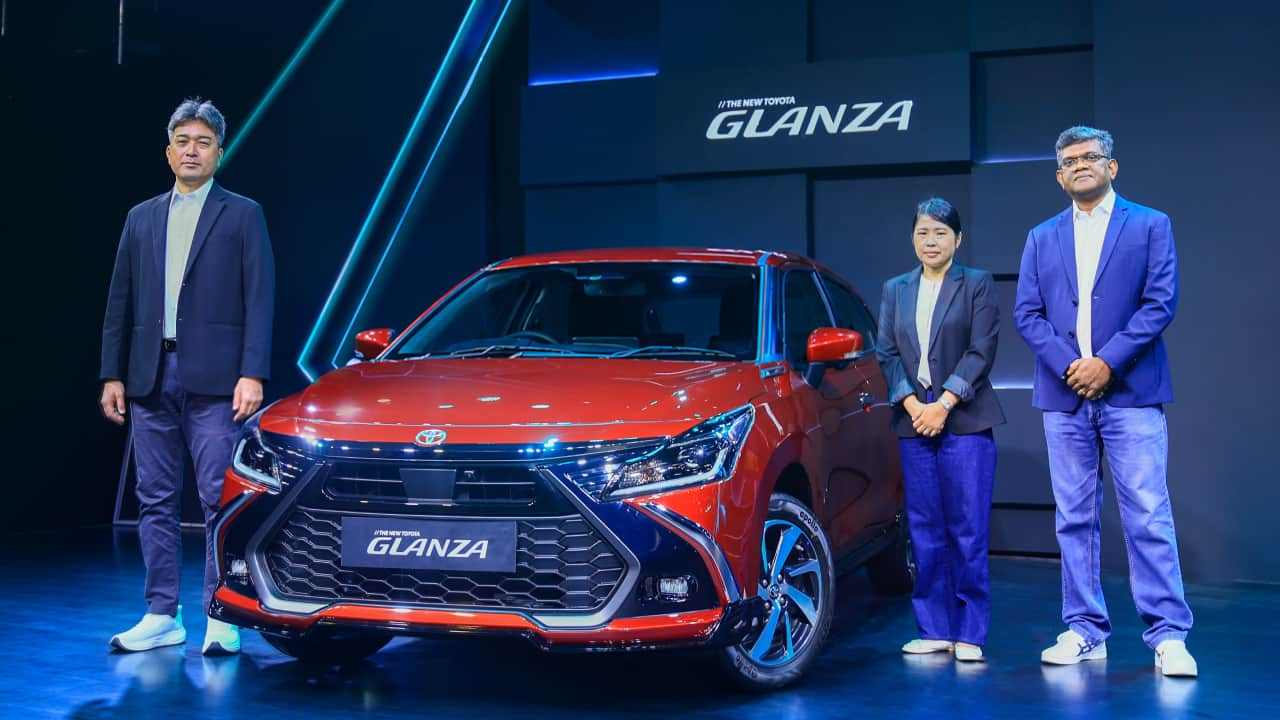
The premium hatchback segment in India, a battlefield of style, efficiency, and urban agility, has just witnessed a significant shift. Toyota Kirloskar Motor has officially pulled the wraps off the updated Toyota Glanza, a vehicle that has long been a benchmark for reliability and premium ownership in the sub-four-meter category. With this latest update, Toyota is not merely offering a cosmetic refresh; it is ushering in a mechanical evolution. At the heart of this transformation is the introduction of the all-new Z12E 1.2-litre, three-cylinder naturally aspirated engine, a powerhouse designed to harmonize the demands of modern performance with the fiscal realities of the Indian fuel economy.
The Core Transformation: Introducing the Z12E Engine
For years, the Glanza has been celebrated for its refined driving dynamics. However, the introduction of the Z12E engine marks a departure from its predecessors, signaling a move toward higher thermal efficiency and improved torque characteristics.
The Z12E 1.2-litre, three-cylinder naturally aspirated engine is a marvel of modern engineering. In its primary petrol configuration, the unit produces 83hp. While peak horsepower remains competitive for the segment, the real story lies in the power delivery. The engine has been tuned to provide a flatter torque curve, peaking at 112Nm, ensuring that the car feels punchy in city traffic—the exact environment where the Glanza spends 90% of its lifecycle.
Crucially, Toyota has retained the dual-fuel versatility that has made the Glanza a favorite among value-conscious buyers. The Z12E is fully compatible with Compressed Natural Gas (CNG), allowing owners to toggle between the zest of petrol and the economic pragmatism of CNG without sacrificing the core structural integrity of the powertrain. This versatility is not an afterthought; it is a fundamental aspect of the engine’s architecture, designed to withstand the different combustion characteristics of CNG while maintaining long-term reliability.
Transmission Options: Catering to Every Driver
Understanding that the "one-size-fits-all" approach no longer applies to the modern Indian consumer, Toyota has retained and refined the transmission lineup for the new Glanza.
- 5-Speed Manual: For the purist, the 5-speed manual gearbox remains the gold standard. It has been recalibrated to complement the Z12E engine’s torque band, offering slick, short throws and a light clutch action. This setup is perfect for those who enjoy the tactile engagement of driving and want total control over the power delivery.
- 5-Speed AMT: Recognizing the burgeoning demand for urban convenience, Toyota continues to offer a 5-speed Automated Manual Transmission (AMT). Unlike traditional torque converters or CVTs, the AMT provides the fuel efficiency of a manual while eliminating the fatigue of a third pedal in stop-and-go traffic. The software governing the AMT has been updated to ensure smoother gear transitions, minimizing the "head-nod" effect often associated with older AMT systems.
Chronology: The Evolution of the Glanza
To understand the weight of this update, one must look at the timeline of the Toyota Glanza since its inception in the Indian market.
- 2019: The Genesis: Toyota entered the premium hatchback segment with the first-generation Glanza, a product born out of the global Toyota-Suzuki alliance. It was an instant success, bringing Toyota’s "Q" service quality to a wider audience.
- 2022: The Facelift: The second generation arrived with a more distinct "Toyota" identity, featuring sharper styling, a redesigned interior, and the inclusion of a Heads-Up Display (HUD) and 360-degree cameras—features that were once reserved for luxury sedans.
- 2024: The Tech Integration: Toyota began deep-integrating advanced connected car features, ensuring that the Glanza remained the "smart" choice for tech-savvy youngsters.
- October 2026: The Mechanical Pivot: The introduction of the Z12E engine marks the most significant mechanical overhaul in the nameplate’s history, focusing on efficiency standards and future-proofing the vehicle against tightening emission norms.
Supporting Data: Why the Z12E Matters
The automotive industry is currently navigating a transition phase where internal combustion engines must work harder to stay relevant. The Z12E engine serves as a bridge.
- Thermal Efficiency: By optimizing the combustion chamber and reducing internal friction, the Z12E achieves a higher thermal efficiency rating than the outgoing engine. This translates to lower fuel consumption in real-world conditions.
- Weight Reduction: The three-cylinder configuration inherently reduces the number of moving parts, leading to a lighter engine block. This weight shedding improves the vehicle’s power-to-weight ratio, which, despite the engine downsizing, keeps the Glanza’s agility intact.
- Emissions Compliance: With Bharat Stage (BS) emission standards becoming increasingly stringent, the Z12E was engineered with a sophisticated exhaust gas recirculation system, ensuring that the tailpipe emissions are significantly lower than its predecessor, even before considering the benefits of CNG mode.
Official Stance and Market Implications
Toyota Kirloskar Motor has remained tight-lipped regarding specific sales targets, but the company’s messaging is clear: the Glanza remains a pillar of their "Mass Market Strategy."
In a press statement, a senior spokesperson for Toyota Kirloskar Motor noted: "The introduction of the Z12E engine is a testament to our commitment to the Indian customer. We recognize that the Indian market values the balance between performance, efficiency, and the cost of ownership. The new Glanza is not just an update; it is an optimized machine that addresses the challenges of urban mobility while maintaining the legendary Toyota promise of reliability."
The market reaction is expected to be positive. With the premium hatchback segment seeing fierce competition from rivals like the Hyundai i20 and the Tata Altroz, Toyota’s focus on mechanical longevity and the versatility of the CNG option gives it a unique defensive moat.
Implications for the Consumer
For the prospective buyer, what does this mean?
- Lower Cost of Ownership: The Z12E engine’s efficiency, combined with the CNG option, offers a significant hedge against volatile petrol prices. For daily commuters, the cost-per-kilometer is expected to drop significantly.
- Reliability: Toyota’s brand identity is built on the "unbreakable" nature of its vehicles. By opting for a new, refined engine, Toyota is ensuring that the Glanza remains a low-maintenance vehicle that can serve its owner for years without frequent garage visits.
- Resale Value: Toyota vehicles traditionally enjoy the highest resale values in the Indian market. The transition to a more efficient engine ensures that the Glanza will remain a sought-after asset in the used car market years down the line.
Conclusion: A Strategic Pivot
The 2026 Toyota Glanza is a clear signal that Toyota is listening to the pulse of the Indian consumer. By focusing on the Z12E engine, the company has chosen to improve the "engine room" of the car rather than just adding superficial bells and whistles. It is a pragmatic, well-thought-out move that reinforces the Glanza’s position as the smart, reliable, and efficient choice in a segment that is otherwise crowded with aesthetic-heavy competitors.
As urban infrastructure continues to evolve and fuel prices remain a point of concern for the average household, the Glanza’s ability to deliver a punchy 83hp while offering the economical benefits of CNG makes it a compelling candidate for the "car of the year" in the minds of practical buyers. Toyota has once again proven that in the world of automobiles, while features grab headlines, it is the engineering that builds legacies.