As the artificial intelligence landscape matures at a breakneck pace, the tools we use to navigate our digital workdays are undergoing a fundamental architectural shift. The era of static, siloed AI chat assistants is rapidly giving way to dynamic, deeply integrated ecosystems defined by modular "Skills," autonomous agentic workflows, and sophisticated multi-app coordination.
Industry developments over the past week highlight a massive pivot across tech giants like Google and Meta, alongside actionable strategies for business leaders looking to upgrade from casual AI "tinkering" to building true, automated digital workforces.
Main Facts
The current wave of artificial intelligence updates centers on three primary pillars: structural migration, workforce automation, and ecosystem-wide capability expansions.
The Rise of "Skills" Over Custom GPTs and Gems: Platforms like ChatGPT and Gemini are reportedly phasing out traditional custom GPTs and Gems. They are being replaced by modular "Skills"—a framework popularized by Claude that allows users to trigger specialized instructions, knowledge bases, and behaviors mid-conversation using simple slash commands.
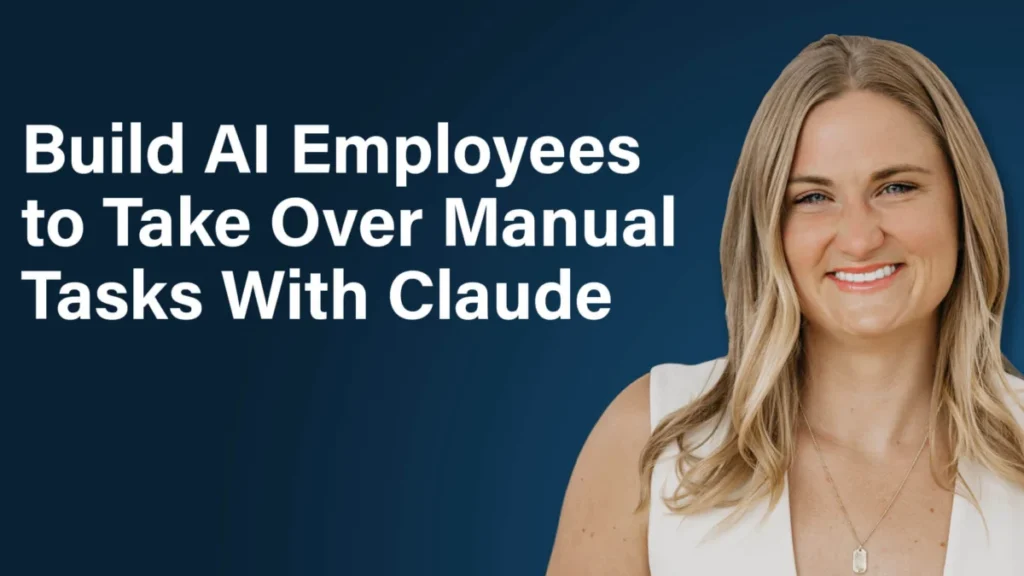
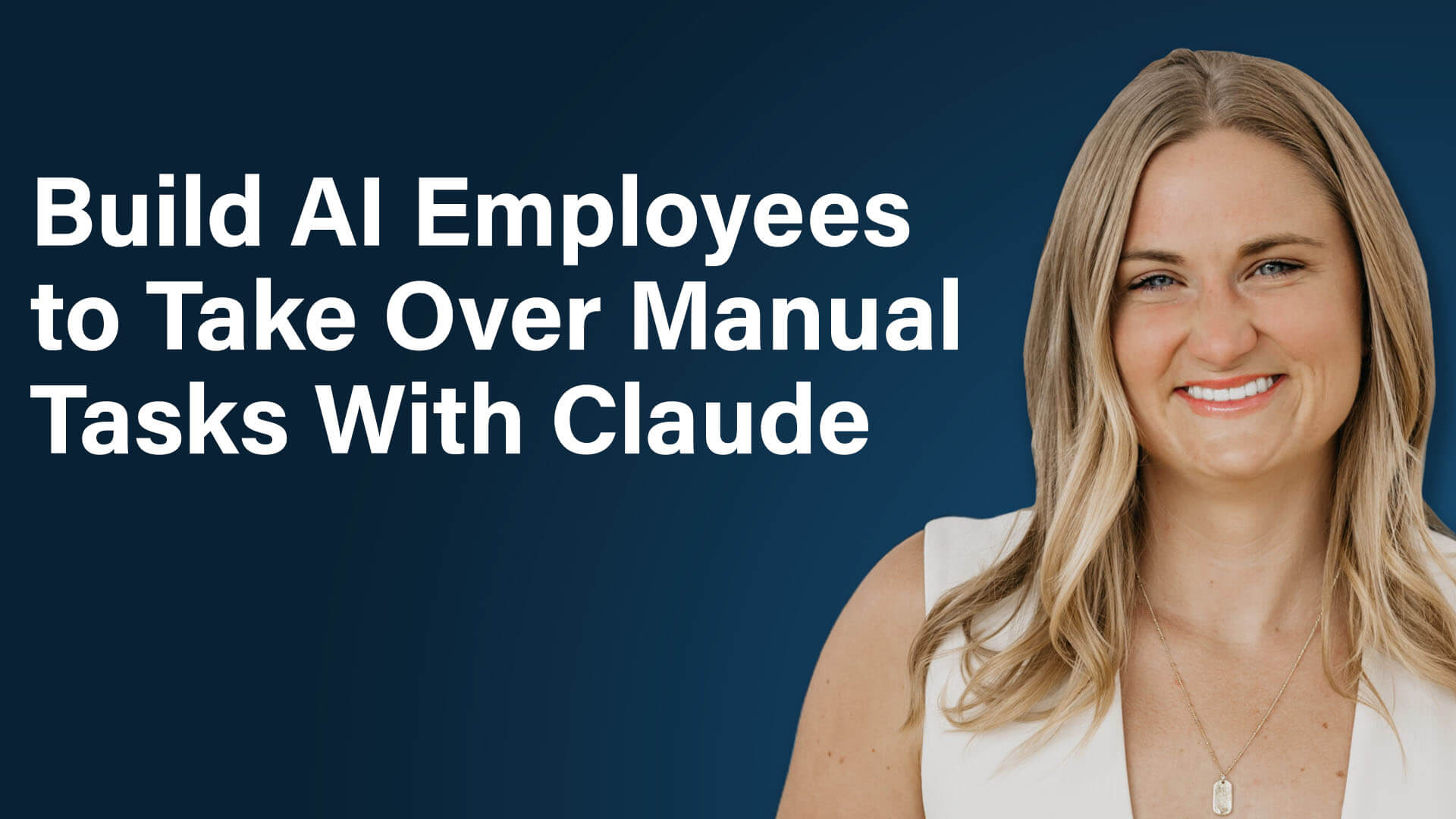
The Shift to Autonomous AI Employees: Business strategists emphasize that casual, day-to-day AI chatting is vastly different from building structured, repeatable AI "employees." Achieving true operational leverage requires foundational business repositories (the "Business Brain"), prompt-to-skill pipelines, and continuous iteration to match or exceed human-level output.
Google’s Major Product and Model Overhauls: Google has introduced sweeping updates across its ecosystem. Gemini Live has evolved into an agentic productivity tool capable of executing multi-step workflows by voice; Gemini Omni 1.1 Flash brings professional video controls and 4K output; Gemini models now feature agentic video understanding to drastically reduce processing costs; Gemini 3.5 Transcribe offers advanced speech-to-text; and Google Pics integrates AI image creation directly into Workspace.
Meta’s Expanded AI Monetization: Meta has launched tiered subscription models—Meta AI Core and Meta AI Premium—bundling enhanced AI generation capabilities with platform verifications across Facebook, Instagram, and WhatsApp.
Chronology of Recent Developments
The rapid deployment of these capabilities illustrates a coordinated industry push toward agentic, highly personalized AI infrastructure:
Mid-2026 Shift in Assistant Architecture: Following the widespread adoption of Claude’s slash-command "Skills," major competitors began moving away from standalone custom GPTs and Gems. Users were instructed to migrate their custom prompts, reference files, and specific guidelines into unified, modular skill systems.
Google’s Fall Product Wave: Google rolled out a sequence of powerful developer and consumer tools. This began with the expansion of Gemini Live into hands-free, cross-app execution (connecting with Gmail, Spark, and Daily Brief), followed swiftly by the release of agentic video analysis capabilities across the Flash model lineup.
Introduction of Gemini 3.5 Transcribe & Google Pics: Google embedded advanced audio formatting and transcription capabilities into products like Gboard and AI Studio. Simultaneously, the company launched Google Pics, integrating the Nano Banana image-creation model directly into Docs, Slides, and eventually Drive.
Meta’s Subscription Rollout: Meta formalized its monetization strategy by introducing Core and Premium subscription packages, establishing structured pricing tiers for power users seeking expanded generation capacities and integrated platform benefits.
Supporting Data and Metrics
The technological shifts reshaping the AI space are backed by significant performance improvements and efficiency metrics:
Token and Cost Reductions in Video Analysis: Google’s new agentic video understanding approach—implemented across Gemini 3.7, 3.6, and 3.5 Flash models—enables the AI to selectively inspect crucial moments rather than processing video at a fixed rate. This architectural change cuts token usage by up to 88% and operational costs by up to 66%, while simultaneously boosting analytical accuracy by as much as 7%.
Workforce Training Reach: Programs focused on closing the gap between basic AI chatting and autonomous AI employee deployment—such as those led by Callan Faulkner through the Automate to Accelerate initiative—have trained over 20,000 businesses, highlighting massive enterprise demand for operational AI integration.
Language and Multilingual Reach: Gemini 3.5 Transcribe has launched with support for more than 85 languages, adapting to specialized vocabulary, interpreting corrections, and stripping out filler words for real-time and recorded workflows.
Official Responses and Perspectives
Industry leaders and creators are actively guiding users on how to adapt to these sweeping infrastructure updates.
On Migrating Custom Assistants to Skills:
Tech analysts note that managing dozens of separate custom GPTs and Gems has become inefficient. The transition to Skills streamlines user experience. By extracting legacy instructions and knowledge files, users can prompt their primary AI tools to reformat those guidelines into agile, slash-command-compatible Skills that execute seamlessly within active conversations.
On Building Digital Employees:
Callan Faulkner, founder of The Uncommon Business, stresses the necessity of structured preparation before expecting AI to perform autonomous labor:
"Most business owners say their team is already using AI every day. But there is a massive gap between chatting with AI and building trained AI employees that actually do the work for you."
Faulkner highlights that a disorganized digital footprint—such as a messy Google Drive—will stall AI performance. An AI employee requires a centralized "Business Brain" containing explicit pricing guidelines, brand voice parameters, standard operating procedures, and past operational successes to function effectively.
On Google’s Agentic Direction:
Google representatives emphasize that the company’s recent model updates are designed to transition AI from a passive conversationalist to an active participant. By granting models like Gemini Live and Gemini Omni direct pathways to execute multi-step workflows across productivity apps, Google is establishing a unified workspace where natural language and voice act as the primary operating system.
Implications for Businesses and Marketers
The convergence of modular Skills, agentic video understanding, voice-driven execution, and structured AI employee training carries profound implications for organizations of all sizes.
1. From Tinkering to Systematic Automation
The era of casual, ad-hoc prompt engineering is yielding diminishing returns. Businesses must shift toward building repeatable, scalable AI systems. This means auditing existing prompt libraries, converting legacy GPTs and Gems into streamlined Skills, and establishing clean, centralized documentation (the "Business Brain") that AI agents can reliably reference.
2. Redefining Productivity Through Agentic Tools
With Gemini Live expanding into hands-free, cross-app execution, professionals can delegate multi-step administrative workflows—such as inbox management, schedule synthesis, and cross-platform information retrieval—directly through continuous voice interactions. This reduces friction and allows teams to focus on strategic, high-leverage decision-making.
3. Lower Barriers for Content and Media Production
Updates to Google Omni 1.1 Flash and the introduction of Google Pics democratize high-end media generation. Features like 4K output, first-to-last-frame interpolation, targeted object editing, and direct Workspace integration allow marketing teams to iterate on video and graphic assets faster and with greater brand consistency than ever before.
4. Navigating the Monetization of AI Platforms
As platforms like Meta introduce tiered subscription models (Core and Premium) alongside Google’s expansive ecosystem offerings, businesses must evaluate their software expenditures. Investing in paid tiers is increasingly necessary to secure the generation capacities, advanced developer controls, and verification badges required to maintain a competitive edge in a digital-first economy.
Ultimately, organizations that master the transition from isolated chat prompts to fully trained, autonomous AI employees—supported by the latest modular and agentic tools—will unlock unprecedented levels of efficiency, cost reduction, and creative output.