The Architecture of Alignment: Why Holistic Marketing is Replacing Fragmented Strategy in Modern Business

In today’s hyper-competitive and digitally fragmented marketplace, modern enterprises face an unprecedented challenge: cutting through the noise to capture—and retain—consumer attention. For years, the playbook for corporate growth relied on siloed channels, where digital marketing, public relations, sales, and customer service operated as independent fiefdoms. Today, industry analysts and corporate strategists agree that this fractured approach is no longer viable.
Enter holistic marketing: a comprehensive strategic framework designed to align every department, message, and touchpoint within an organization to deliver a singular, cohesive brand experience. Far from being a passing corporate buzzword, holistic marketing has evolved into an essential operational philosophy. It directly impacts every facet of modern commerce, from boosting customer lifetime value to supercharging affiliate marketing programs and driving sustainable, long-term business growth.
Main Facts: Decoding Holistic Marketing
At its core, holistic marketing rejects the traditional model of managing marketing channels in isolation. Instead, it posits that every interaction a consumer has with a brand—whether reading a website footer, engaging with customer service, or evaluating an affiliate publisher’s review—shapes their overarching perception of the company.
The strategy is built upon three foundational pillars:
- Internal Marketing: Ensuring employees and internal stakeholders deeply understand, embody, and believe in the company’s vision and values.
- Relationship Marketing: Cultivating long-term, mutually beneficial connections not just with end-consumers, but with supply-chain partners, B2B vendors, and affiliate publishers.
- Societal Marketing: Integrating social responsibility, ethical practices, and community stewardship directly into the corporate mission.
When executed correctly, these dimensions synchronize with a customer-centric approach, an integrated marketing mix, rigorous data-driven analytics, and unwavering brand consistency. The result is a seamless buyer journey that minimizes friction, maximizes conversion rates, and transforms casual buyers into vocal brand advocates.
Chronology: The Evolution from Siloed Campaigns to Unified Ecosystems
To understand the rise of holistic marketing, one must trace the evolution of digital and traditional commerce over the past three decades:
- The Late 1990s – Early 2000s (The Siloed Era): Marketing was largely channel-specific. Print advertising, television spots, early banner ads, and PR operated on separate tracks with little cross-communication.
- The 2010s (The Digital Expansion): As social media platforms, search engine optimization (SEO), and performance-based affiliate networks exploded, companies rushed to establish a presence on every new digital frontier. This often led to fragmented messaging, where brands presented different value propositions, price points, and visual identities depending on the platform.
- The Late 2010s – 2020s (The Integration Imperative): Consumer skepticism grew alongside ad fatigue. Buyers began demanding authenticity, transparency, and seamless cross-platform experiences. Brands realized that conflicting messaging—such as positioning a product as a luxury item on social media while marketing it as a budget option via affiliate channels—actively eroded consumer trust.
- Present Day (The Holistic Standard): Industry leaders have shifted from simply "being everywhere" to being consistent everywhere. Organizations now utilize advanced data analytics and internal alignment to orchestrate every consumer touchpoint into a unified narrative, treating internal employees and external affiliate partners as vital brand ambassadors.
Supporting Data & Industry Implications
The practical advantages of adopting a holistic marketing strategy are reflected across key performance indicators (KPIs) in digital commerce, customer retention, and partner ecosystems:

The Affiliate Marketing Multiplier
One of the most profound impacts of holistic marketing is seen in affiliate and performance-based marketing programs. Top-tier affiliate publishers—those capable of driving massive, qualified traffic—are increasingly discerning. Before promoting a brand, sophisticated affiliates audit the company’s digital footprint, customer service responsiveness, landing page UX, and overall market reputation.
If a brand displays inconsistent messaging or poor customer sentiment, high-performing affiliates will decline to participate. Conversely, when a company maintains a holistic framework with high conversion rates, reliable customer retention, and unified branding, affiliate programs transform from simple marketing channels into primary profit centers. A handful of deeply engaged affiliates can trigger a compounding growth loop, dramatically improving overall program statistics.
Operational Efficiency and Resource Allocation
By integrating marketing functions across departments, businesses eliminate redundancies. Rather than separate teams developing conflicting ad creatives and messaging strategies, a holistic approach pools insights, data, and resources. This synchronization maximizes the reach and impact of every campaign while lowering customer acquisition costs (CAC).
The Medical Analogy of Business Health
Corporate strategists often compare fragmented marketing to visiting multiple medical specialists for different ailments without sharing a unified health record. Even if each doctor prescribes a safe, effective treatment, the lack of communication between them can lead to counterproductive or harmful interactions. Similarly, when PR, social media, customer service, and affiliate channels operate without a unified strategy, the customer experiences disjointed care. Holistic marketing acts as the primary physician, ensuring all internal treatments work synergistically to improve the "health" of the brand.
Official Responses & Case Studies: Holistic Marketing in Action at Apple
Few global enterprises exemplify the principles of holistic marketing quite like Apple. The tech giant is renowned for meticulous coordination across product design, advertising, retail environments, and customer support.
Internal Marketing and Brand Values
Apple’s commitment to internal marketing is evident on its corporate careers and values pages. The company heavily promotes core pillars such as Accessibility, Education, Environment, Inclusion & Diversity, Privacy, Racial Equity & Justice, and Supplier Responsibility to its workforce. Because Apple’s employees are deeply immersed in and aligned with these corporate values, they project an authentic, unified brand experience during every customer interaction—whether in an Apple Store or via remote support.
The Apple Services Performance Partners Program
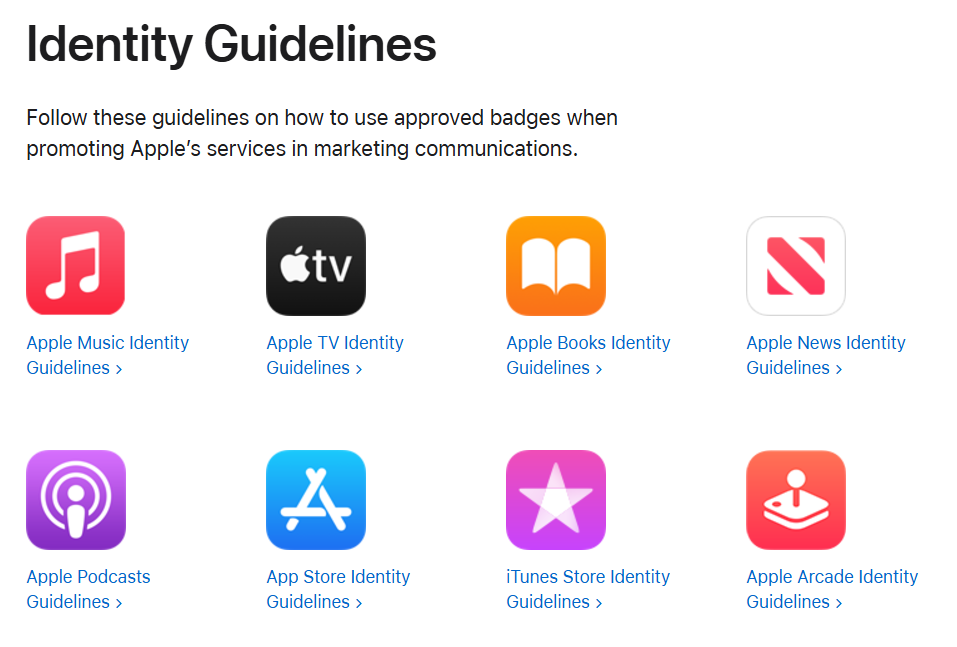
Apple extends its holistic ethos directly into its affiliate ecosystem through initiatives like the Apple Services Performance Partners Program. This program provides affiliates with clear, rigorous guidelines and educational resources to ensure that external promotional campaigns strictly align with Apple’s core brand identity. By equipping partners with the right tools and messaging, Apple protects its brand equity while scaling its performance partnerships globally.
Societal Marketing Integration
Apple routinely weaves societal marketing into its consumer-facing architecture. For example, the company utilizes its primary e-commerce homepage to highlight ongoing environmental initiatives, educational access programs, and donation drives linked to specific payment methods or purchases. This seamlessly blends corporate social responsibility with direct retail engagement, reinforcing consumer trust and long-term brand loyalty.
Strategic Implications for the Future
As the digital landscape continues to evolve at a breakneck pace, the future of holistic marketing will be shaped by several critical developments:
1. Artificial Intelligence and Hyper-Personalization
The integration of artificial intelligence and machine learning is revolutionizing how brands interact with consumers. AI allows for deeply personalized marketing campaigns that cater to individual preferences across every channel. However, this hyper-personalization must remain anchored to a unified brand identity. Businesses must ensure that AI-driven personalization does not fracture the core brand narrative. Furthermore, companies must anticipate the needs of their affiliate partners, providing them with AI-optimized assets and streamlined workflows to maintain consistency across external content creation.
2. The Dominance of Sustainability and Ethics
Modern consumers, investors, and affiliate partners increasingly gravitate toward brands that demonstrate genuine ethical practices and societal stewardship. Integrating societal marketing into the core business model is no longer optional; it is a prerequisite for capturing loyalty among younger, socially conscious demographics. Transparent communication regarding sustainability initiatives enables businesses, suppliers, and affiliates to amplify the brand’s positive impact collectively.
3. Data-Driven Agility
The successful holistic marketing strategies of tomorrow will rely heavily on centralized data analytics. By synthesizing customer feedback, behavioral metrics, and cross-channel performance data into a single source of truth, businesses can make agile, informed decisions. This ensures that marketing operations remain responsive to dynamic market conditions without sacrificing brand consistency.
Conclusion
Holistic marketing is much more than an operational adjustment—it is a fundamental reimagining of how a company presents itself to the world. By tearing down departmental silos, engaging employees as primary brand advocates, treating affiliate partners as strategic allies, and anchoring every touchpoint in unified values and data-driven insights, businesses can survive and thrive in an intensely competitive marketplace. For companies looking to achieve sustainable growth and build enduring customer relationships, the holistic path is the only way forward.