The Dawn of the AI Workforce: A Comprehensive Guide to Mastering OpenClaw
For decades, the promise of automation was confined to the realm of software engineers and high-level developers. Today, that barrier is dissolving. As Jensen Huang, CEO of NVIDIA, famously noted at the GTC conference, we are witnessing the "iPhone moment" for artificial intelligence—a shift where the most powerful tools in computing become accessible to the everyday business owner and marketer.
At the center of this revolution is OpenClaw, an open-source platform that allows individuals to build, deploy, and manage autonomous AI agents. Unlike the passive chatbots we have grown accustomed to, OpenClaw agents act, remember, and execute, turning the concept of a "digital workforce" into a tangible reality.
The Core Concept: What Is OpenClaw?
OpenClaw is an open-source framework designed to bridge the gap between human intent and machine execution. While standard AI models like ChatGPT or Claude operate within the confines of a browser window, OpenClaw functions as an operating layer that sits on top of your digital infrastructure.
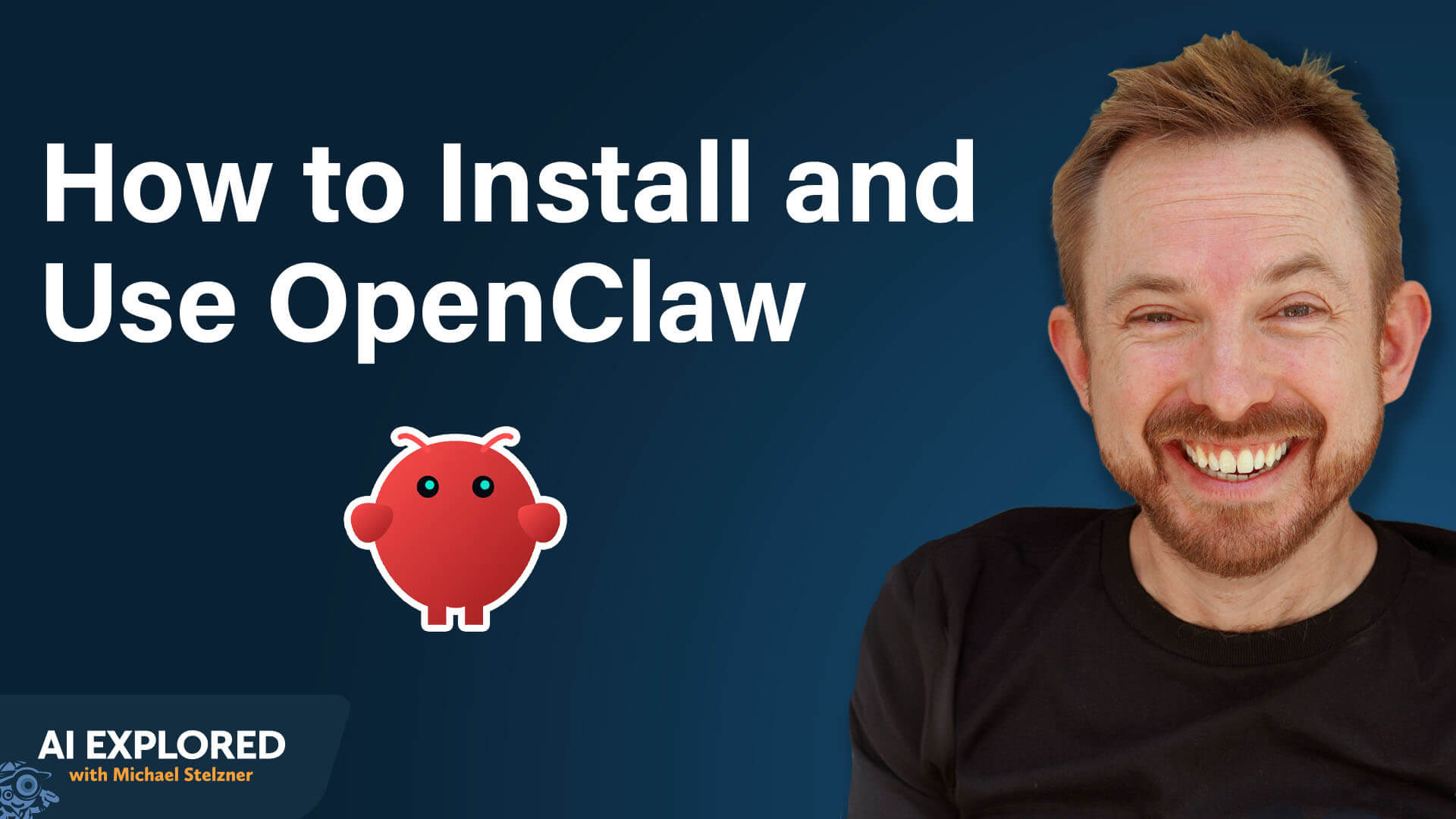
The platform provides three transformative "unlocks" that distinguish it from static AI interfaces:
- Seamless Communication: Instead of logging into a web interface, you interact with your agents through the apps you already use, such as Telegram, Slack, or WhatsApp. This creates a natural, conversational workflow where you assign tasks to your AI as if you were messaging a colleague.
- Autonomous Action: OpenClaw agents are not limited to text generation. They possess the capability to "see" and "act" on your computer—navigating websites, clicking buttons, downloading files, and executing multi-step workflows.
- Persistent Memory: Unlike the ephemeral nature of standard chat sessions, OpenClaw maintains a memory layer. It remembers your preferences, business constraints, and past interactions, allowing it to provide context-aware assistance over weeks and months of operation.
Chronology: From Concept to Your First Bot
The journey to building your first agent is designed to be accessible, moving from initial setup to full-scale automation.
Step 1: Infrastructure and Deployment
The first critical decision is where to host your agents. Because OpenClaw agents have the capability to interact with system files, experts like Mike Russell (co-creator of the AI Explored podcast) strongly advise against running them on your primary workstation.
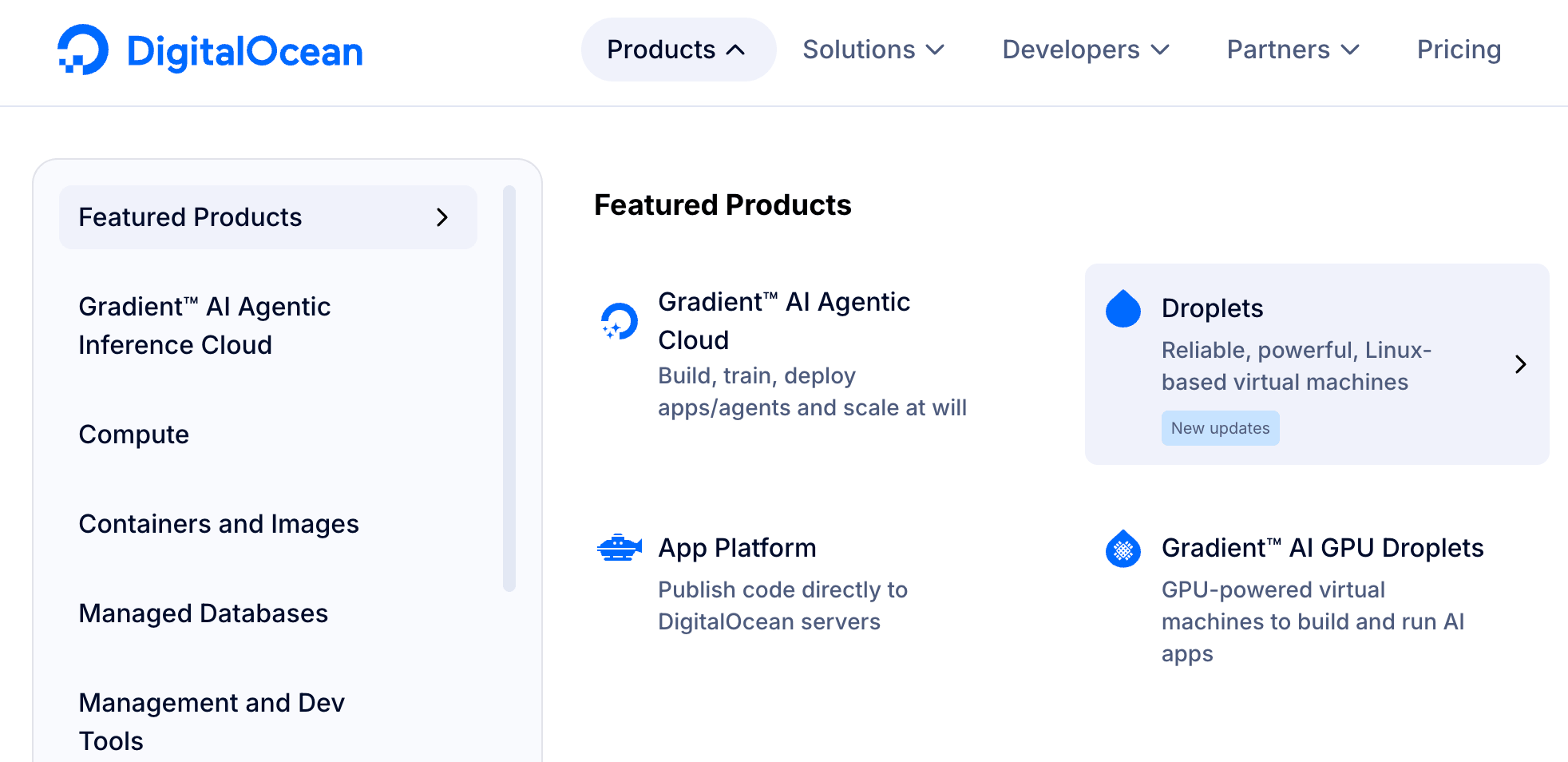
- The Virtual Private Server (VPS) Approach: For reliability, a VPS is the industry standard. Services like DigitalOcean, Hetzner, or Linode offer "droplets"—cloud-based computers that stay online 24/7. For approximately $5 a month, you can ensure your agents are always active.
- The Physical Hardware Route: For those preferring local control, a Raspberry Pi or a spare machine can serve as a host. However, users should note that these machines require constant power and internet, and often lack the processing power for heavy AI computation, requiring them to be tethered to cloud APIs from providers like OpenAI or Anthropic.
Step 2: The Installation Process
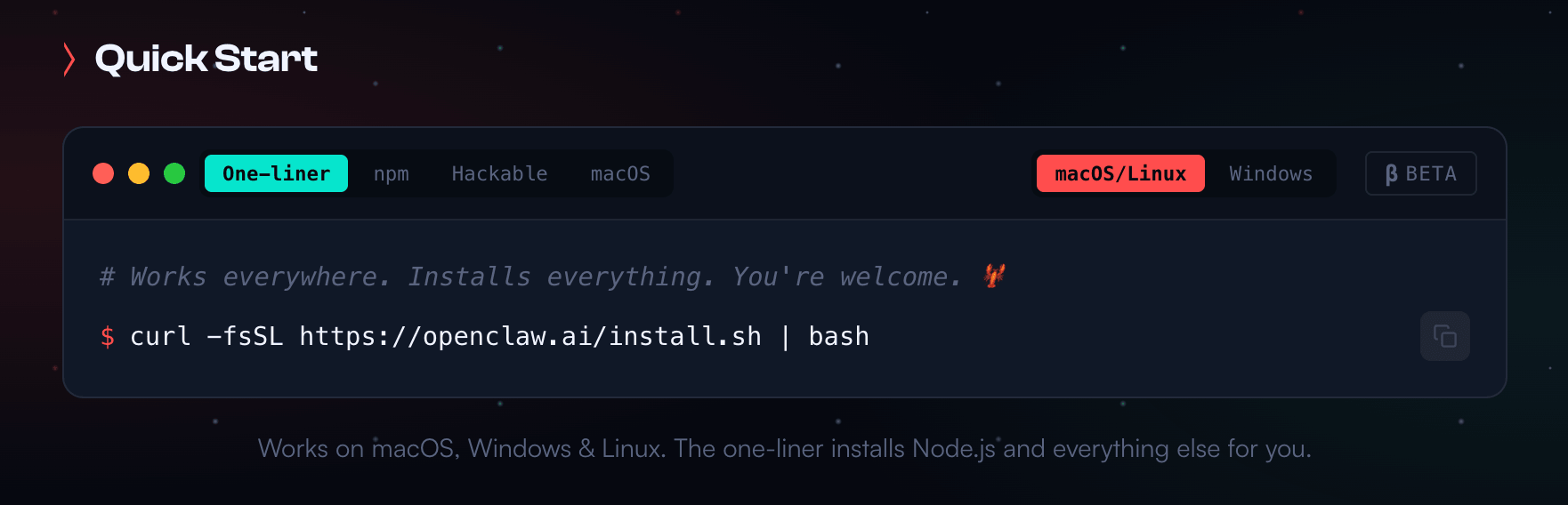
Modern deployment has been streamlined significantly. Both DigitalOcean and Hostinger provide one-click installers for OpenClaw. For advanced users, the process involves a single-line command in a terminal window, which completes the configuration in minutes.
Note: Always verify you are visiting the official repository at openclaw.ai, as the project has undergone several rebranding iterations.
Step 3: Integrating the "Brain"
OpenClaw acts as the hands, but it requires an AI model to act as the brain.

- Anthropic (Claude): Recommended for complex, high-stakes tasks. Users are advised to use API access rather than consumer subscriptions to avoid terms-of-service violations.
- OpenAI (ChatGPT): Fully compatible with both consumer subscriptions and API integration.
- Google Gemini: While compatible, some users have reported limitations regarding the execution of complex tool calls.
Real-World Implications: Automation in Practice
To understand the power of OpenClaw, one must look at its application in high-volume environments.
Case Study: The Social Media Automation Agent
Mike Russell’s own workflow serves as a blueprint for modern content creators. His agent monitors his YouTube channel, automatically downloads new uploads, segments them into short-form clips, and schedules them as threads on X (formerly Twitter). By integrating the "Auto Research" framework, the agent recursively tests different writing styles and headlines, tracking engagement metrics to optimize future output automatically.
Case Study: Personal Productivity and Health
Beyond marketing, OpenClaw functions as a high-level personal assistant. By connecting the agent to data streams—such as health metrics from a Garmin smartwatch or even biological data from 23andMe—users can gain deep insights. One user successfully tasked their agent with constructing a five-year health trend analysis, allowing the AI to offer proactive dietary and lifestyle recommendations based on specific biological markers.
Supporting Data: Security and Reliability
A common misconception regarding OpenClaw is that it poses a security risk. In reality, when deployed on a properly configured VPS with an active firewall, OpenClaw is highly secure.
The platform operates on a "principle of least privilege." By restricting the agent’s access to only the necessary network points, users can mitigate risk. Furthermore, because the agent’s memory is stored in plain-text markdown files, users maintain full visibility over what the AI knows and how it is making decisions. If an agent begins to drift or exhibit incorrect behavior, a user can manually edit these markdown files to "reset" the AI’s understanding of a specific constraint or objective.
Official Responses and Best Practices
The development community surrounding OpenClaw emphasizes "iterative refinement." When building a bot, such as a Gmail Triage agent, the process is never "one and done."
- Initialization: Upon first launch, the agent requires a "system identity." Users are encouraged to provide the agent with deep context: "I am [Name], working for [Company]. Research my digital footprint and tell me what you know."
- Instructional Persistence: To ensure the agent respects rules—such as not mentioning a competitor or adhering to a specific brand voice—users must use the command: "Commit this to your memory." This forces the AI to write the rule into its permanent markdown file rather than relying on the temporary context of a single conversation.
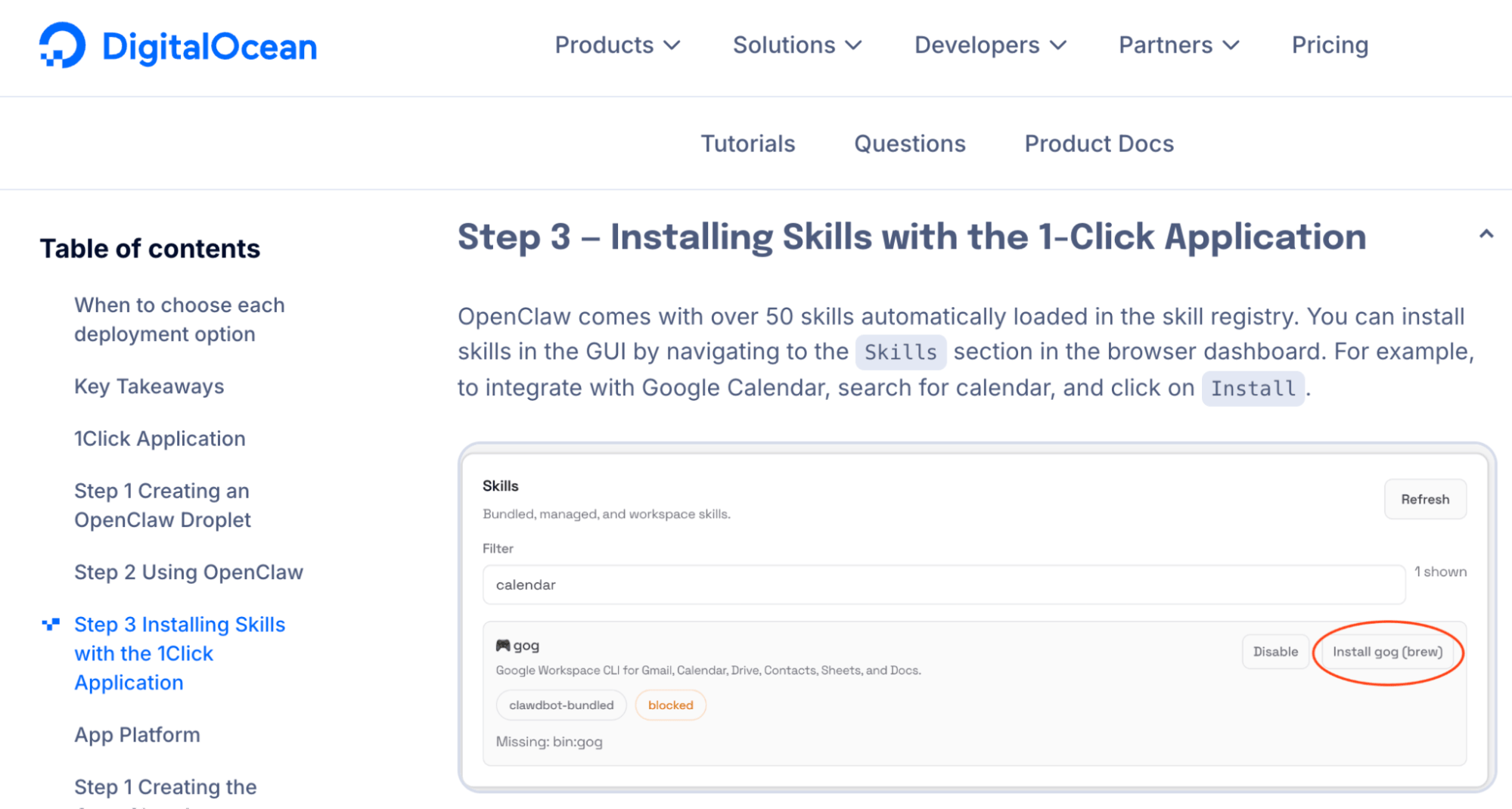
- The "Slow" Warning: A common error for beginners is attempting to use the AI to navigate the web for every task. While OpenClaw can click through websites, it is computationally expensive and slow. For high-frequency tasks, experts recommend using dedicated CLIs (Command Line Interfaces), such as the Google Workspace CLI, which allow the agent to interact directly with databases rather than "looking" at a browser window.
Future Outlook: The AI-First Business Model
The shift toward agents like those powered by OpenClaw signals a broader trend: the move from "AI as a tool" to "AI as a coworker."
For the average business owner, the implications are profound. You are no longer hiring based solely on who can do the work, but who can manage the agents doing the work. The ability to articulate complex workflows in plain English, manage a digital server, and refine AI memory is becoming the "literacy" of the next decade.
As these agents grow more capable, the boundary between the "employee" and the "application" will continue to blur. Whether you are a solo entrepreneur looking to reclaim ten hours of your week or a marketing agency looking to scale content production, the path to an autonomous workforce is no longer a technical pipe dream—it is a configuration step away.
For those looking to deepen their expertise, platforms like the AI Business Society and the AI Explored podcast continue to provide the necessary framework for navigating this rapidly evolving landscape. The tools are ready; the question is no longer whether you can build an AI agent, but what you will choose to build first.