The Dawn of the Autonomous Workforce: A Practical Guide to OpenClaw
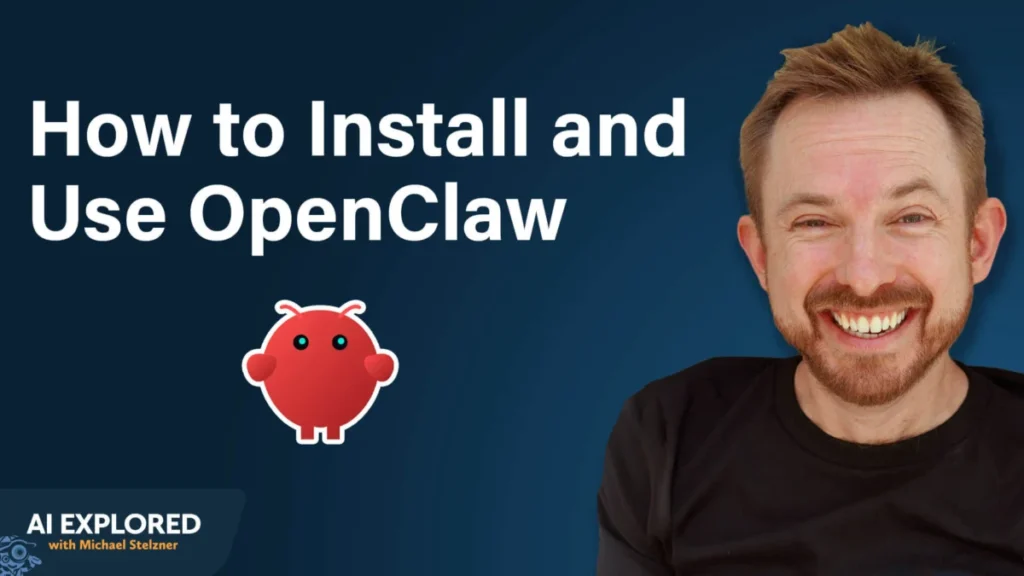
For years, the promise of Artificial Intelligence has been trapped behind a wall of technical complexity. While ChatGPT and Claude have revolutionized how we draft emails and brainstorm ideas, they have largely remained "chat-based" tools—passive interfaces that require constant human prompting. However, a new paradigm is shifting the landscape: the rise of autonomous AI agents. Leading this charge is OpenClaw, an open-source framework that is moving AI from the chat window to the background of your business operations.
Described by NVIDIA CEO Jensen Huang as an “iPhone moment” for the industry, OpenClaw represents the threshold where powerful automation becomes accessible to entrepreneurs, marketers, and small business owners who lack a background in software engineering.
Main Facts: What is OpenClaw?
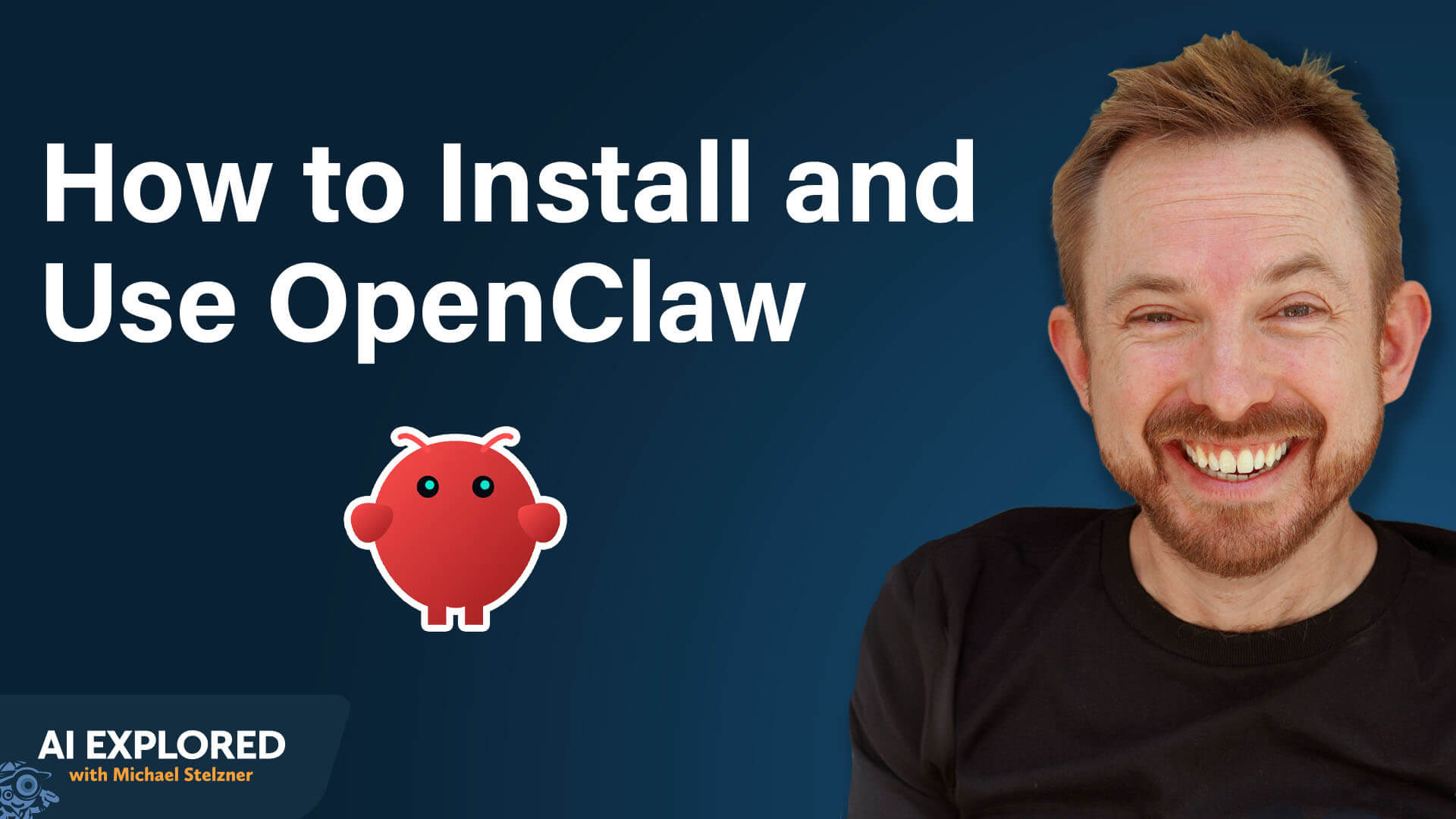
At its core, OpenClaw is an open-source platform designed to create, deploy, and manage AI agents that operate autonomously. Unlike standard LLM interfaces that require you to "log in" and manually initiate a task, OpenClaw agents reside on a server, persistently running in the background.
The platform is defined by three "unlocks" that distinguish it from the current generation of AI chatbots:
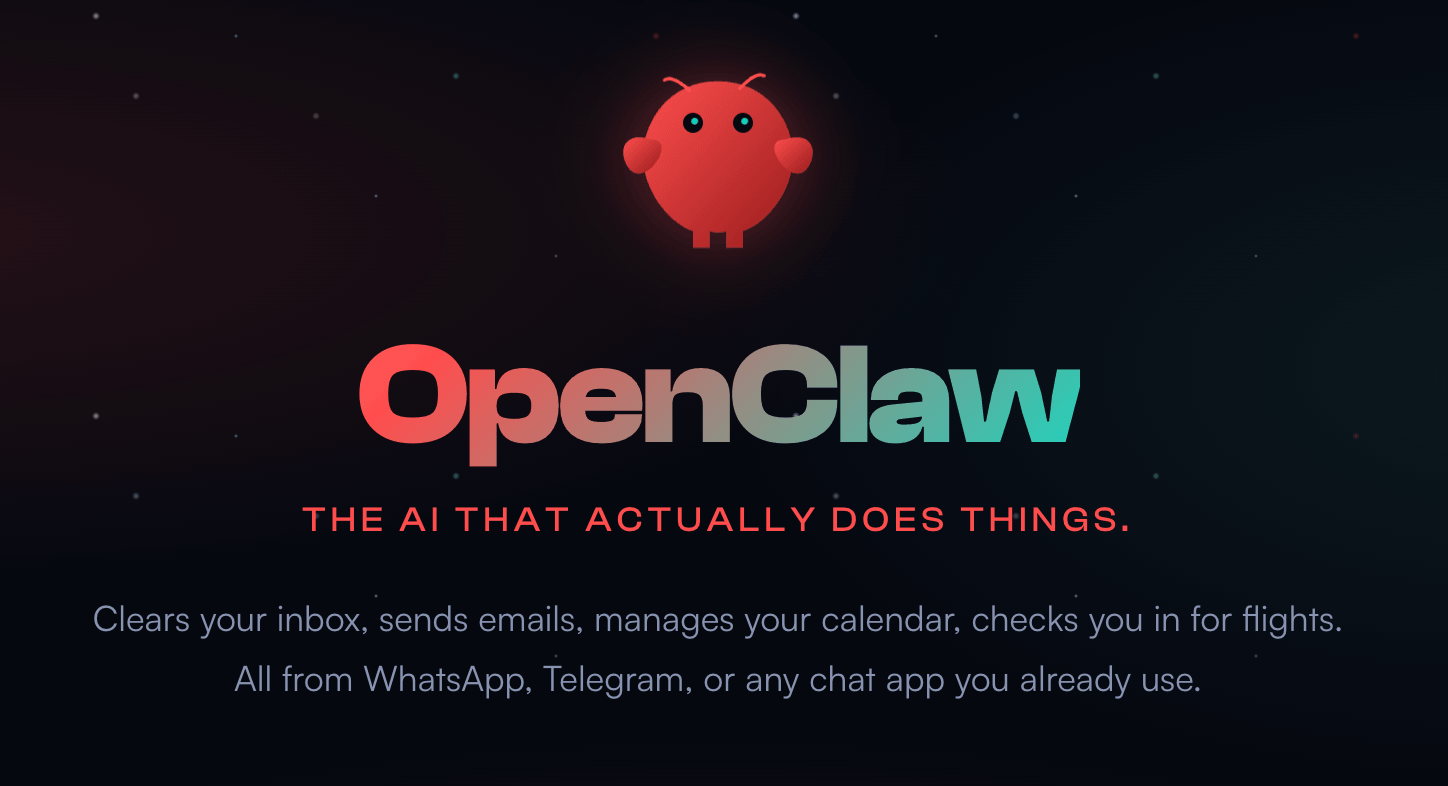
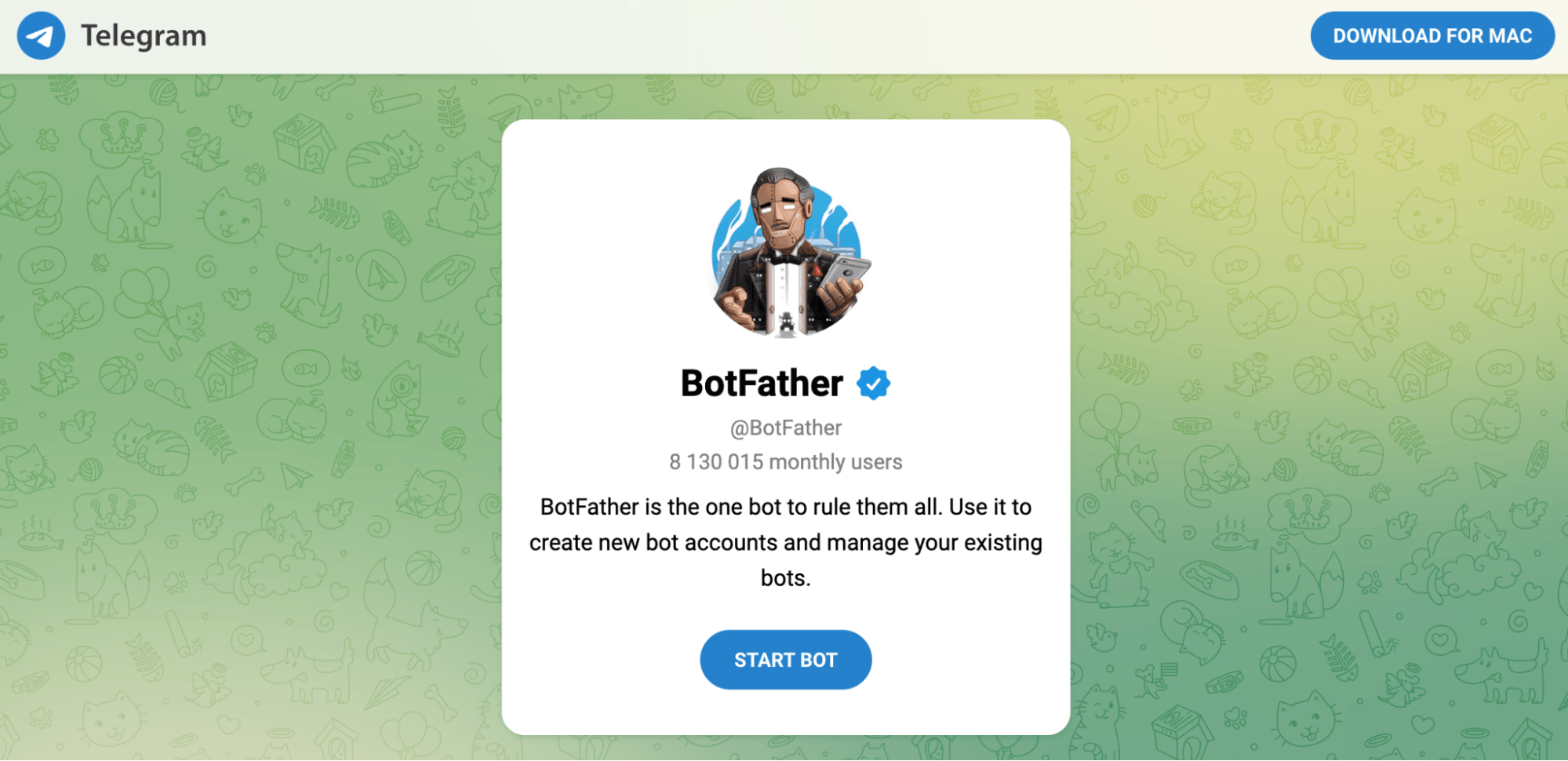
- Seamless Communication: Instead of browser-based chat, OpenClaw integrates with messaging platforms like Telegram, Slack, or WhatsApp. You interact with your digital workforce the same way you would message a human colleague.
- Autonomous Agency: These agents are not just text generators; they are "doers." They can navigate websites, click buttons, download files, and execute complex workflows on your behalf.
- Persistent Memory: Standard AI sessions are ephemeral. OpenClaw utilizes a robust memory layer, allowing agents to retain context, user preferences, and business goals across weeks and months of operation.
Chronology: From Concept to Implementation
The evolution of OpenClaw has been marked by rapid iteration. Originally developed to solve the "memory and agency gap" in LLMs, the project has undergone multiple name changes and refinements to ensure accessibility.
- Initial Development: The project began as an experiment in building agents that could handle real-world browser interaction, moving beyond the static nature of text-only AI.
- The "Agent" Pivot: As the technology matured, the focus shifted from simple automation scripts to "agentic" behavior, where the AI can self-correct when it encounters a roadblock.
- Widespread Adoption: Following successful deployments by early adopters like Mike Russell (creator of Creator Magic), the platform gained traction as a viable, low-cost alternative to expensive, proprietary enterprise automation software.
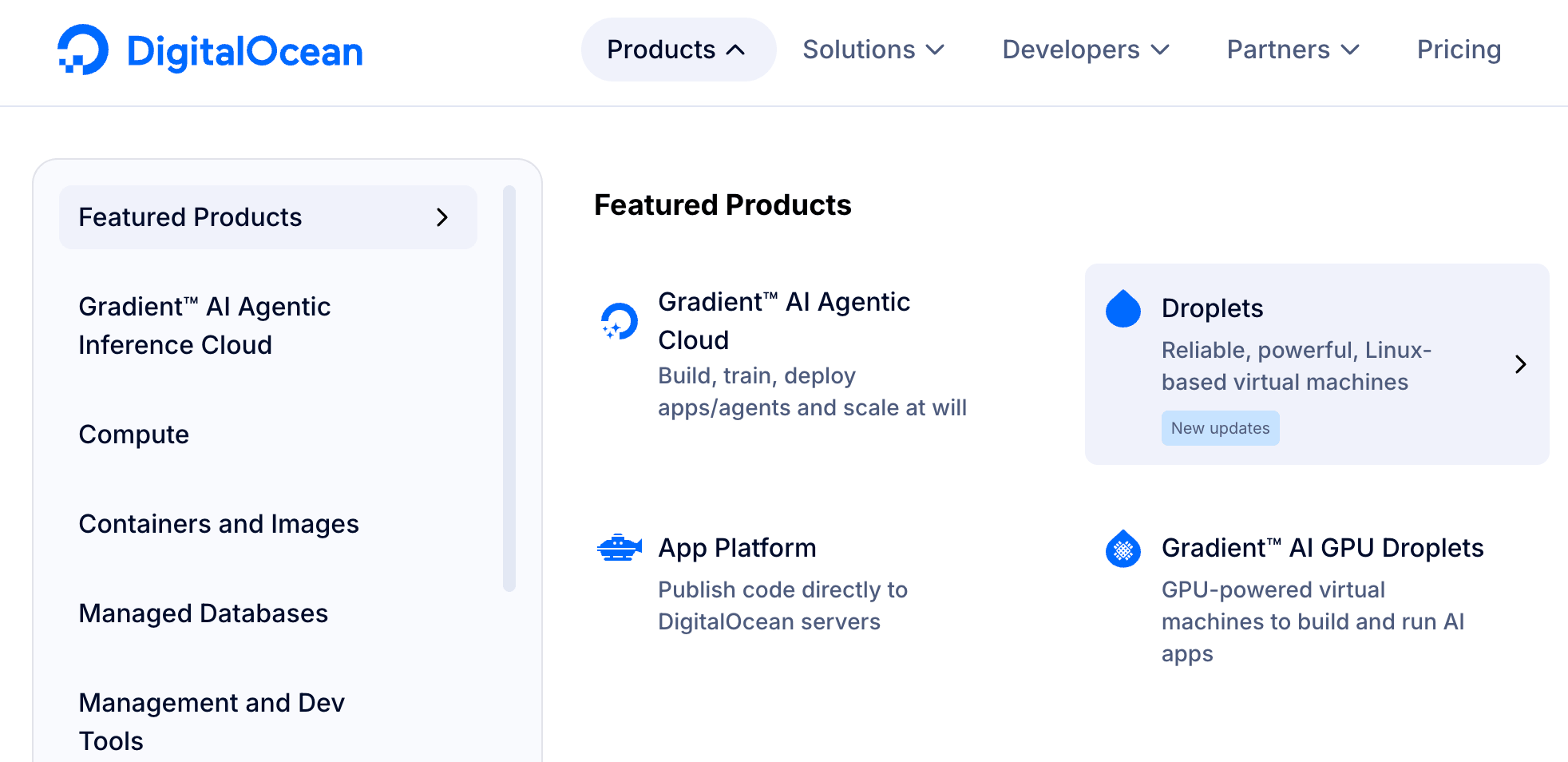
- Present Day: OpenClaw is now an established framework for those looking to outsource repetitive digital labor, with one-click installation paths now available via major cloud providers like DigitalOcean and Hostinger.
Supporting Data and Real-World Use Cases
The efficacy of OpenClaw is best illustrated through its application in high-volume, high-stakes environments.

The Content Automation Engine
Mike Russell’s implementation serves as the primary benchmark. His automated X (formerly Twitter) account is a testament to the platform’s capabilities. By connecting his agent to a framework known as "Auto Research," his agent performs the following in a continuous loop:
- Video Processing: Automatically downloads YouTube content, segments it into clips, and formats them into threads.
- Iterative Testing: The agent tracks engagement metrics, tests different writing styles, and optimizes future posts based on historical performance data.
Personal Biology and Productivity
In a more intimate application, the agent was tasked with analyzing health data from a Garmin smartwatch. By identifying a Python library capable of interfacing with his health data, the agent—without explicit coding instructions—queried its own logic to establish a connection. The agent successfully constructed a five-year health timeline, identifying lifestyle correlations that helped the user make informed decisions about nutrition and physical recovery.
Official Guidelines and Security Protocols
A common point of friction for prospective users is the concern over security. OpenClaw operates by accessing files and browsers, which raises legitimate questions about data safety.
The VPS Strategy
Security experts and lead developers emphasize the "Virtual Private Server" (VPS) approach. By installing OpenClaw on a dedicated cloud instance (costing roughly $5/month) rather than a local laptop, users gain two advantages:
- Persistent Availability: The agent never goes "offline" just because the user closes their laptop lid.
- Isolation: Running the agent on a server creates a digital "sandbox," preventing it from accessing sensitive system files on your primary workstation.
Compliance and Ethics
When selecting an AI provider (Anthropic’s Claude or OpenAI’s ChatGPT), users are urged to operate via API keys rather than relying on standard browser-based subscription accounts. For instance, Anthropic has indicated that using their Pro/Max subscriptions for automated agentic work may violate their terms of service. Utilizing official API access ensures the user remains within the legal and operational bounds of the service provider.
Implications: The Shift Toward the Autonomous Workforce
The implications of OpenClaw extend far beyond simple time-saving. We are witnessing a fundamental shift in the definition of an "employee" or "contractor."
Reclaiming High-Value Time
By offloading "grunt work"—such as triaging Gmail inboxes, researching industry trends, or managing repetitive social media scheduling—business owners are finding the bandwidth to focus on strategy, creative direction, and relationship building. The goal of OpenClaw is not to replace human decision-making, but to provide a digital "chief of staff" that handles the logistical friction of modern digital work.
The Future of Tooling
The ability of these agents to "learn" through iterative feedback is perhaps the most significant implication. If an agent misclassifies an email or chooses a sub-optimal tone for a social post, the user simply provides a correction. The agent updates its internal memory files (written in standard markdown), ensuring the mistake is never repeated.

This creates a self-improving cycle. As an agent works longer for an individual or business, it becomes more valuable. It "knows" your constraints, your brand voice, and your historical preferences better than any human virtual assistant could, without the overhead of onboarding or manual training.
A Note on Caution
While the technology is powerful, it is not "set it and forget it." Users must remain vigilant, particularly during the initial configuration. The power to "click buttons" and "open browsers" is a double-edged sword. Experts recommend starting with low-stakes tasks, such as content research, before granting an agent access to high-stakes accounts like business bank interfaces or sensitive client databases.
Conclusion: How to Begin
For those ready to move past the limitations of static chat interfaces, the path forward is clear:
- Set up your VPS: Utilize a service like DigitalOcean to create a secure, isolated environment.
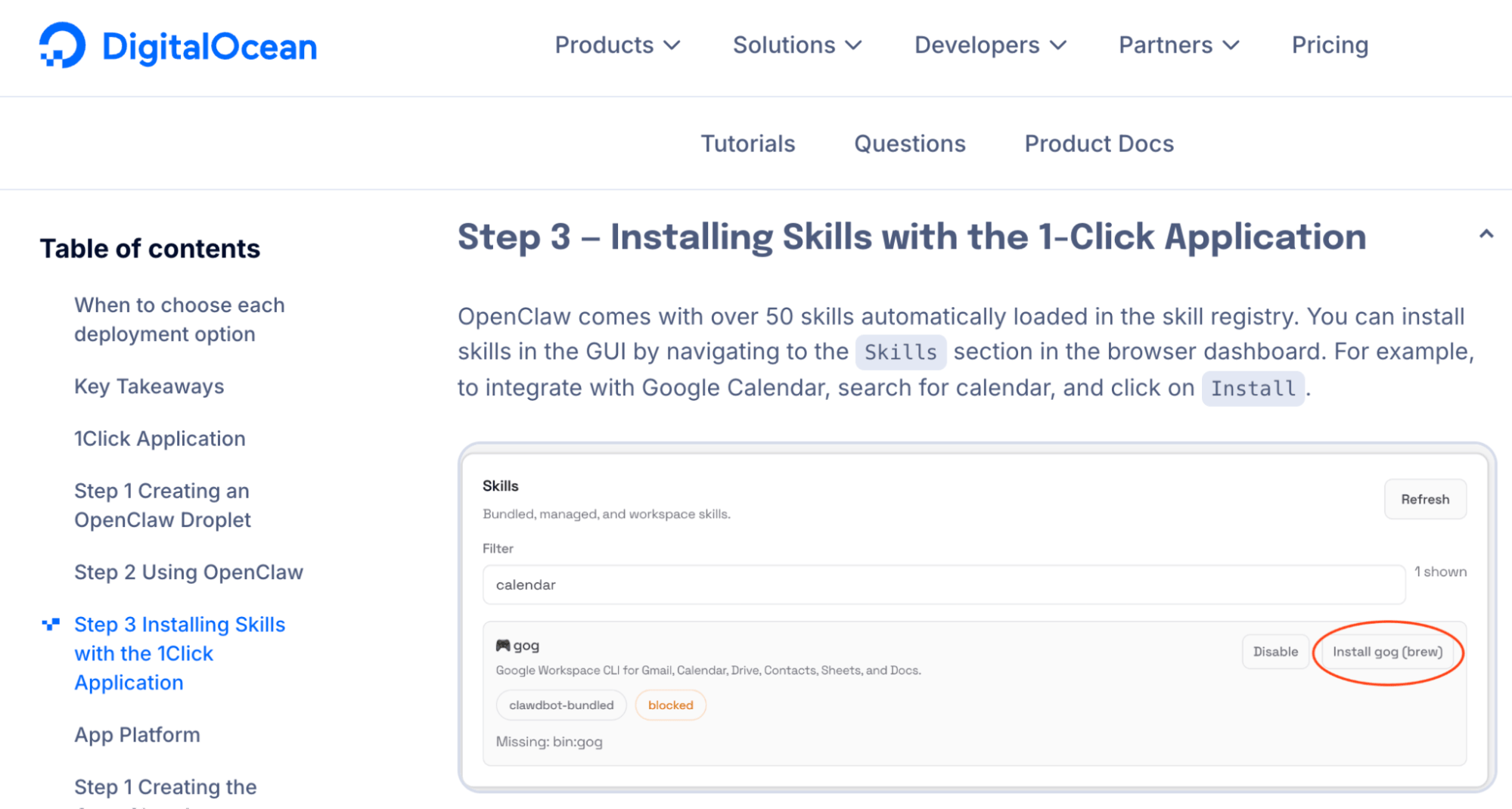
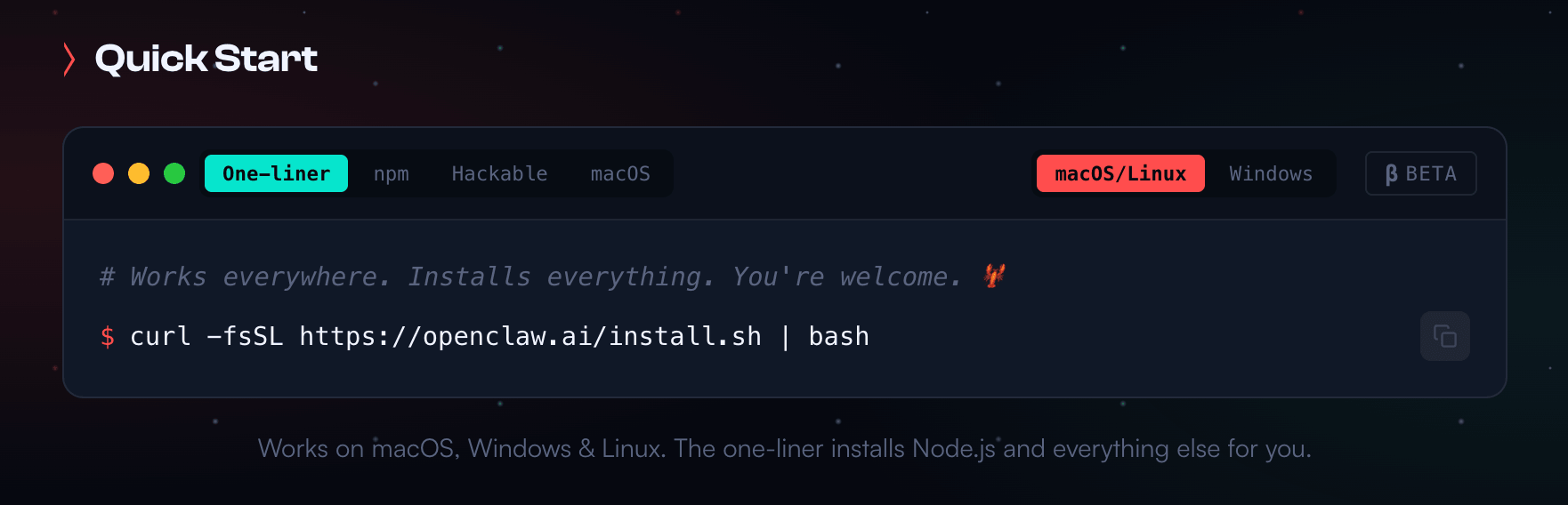
- Install OpenClaw: Use the official, one-click installers to minimize technical setup.
- Define your agent: Use the initialization prompt to feed the agent your professional identity and business context.
- Iterate: Start with a single, well-defined task, such as inbox triage, and refine the agent’s behavior through consistent, conversational feedback.
OpenClaw is more than just a piece of software; it is a signal of where the digital economy is heading. As we move into an era of "agentic AI," those who learn to orchestrate these digital workers will possess a competitive advantage that, until now, was only available to large, resource-rich corporations. The technology is here, it is accessible, and for the forward-thinking professional, it is waiting to be put to work.