The Algorithmic Pivot: How Meta’s AI Integration is Redefining the Landscape of Digital Advertising
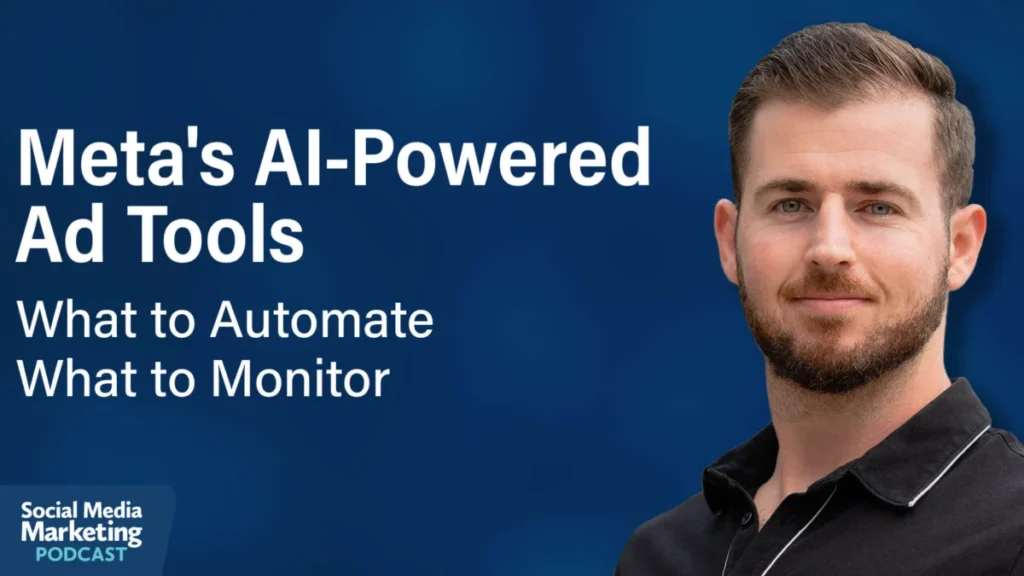
The digital advertising ecosystem is currently undergoing its most significant transformation since the introduction of the smartphone. Meta, the parent company of Facebook and Instagram, is systematically migrating its advertising platform away from manual, human-centric controls toward a model of "guided control" powered by sophisticated Artificial Intelligence (AI).
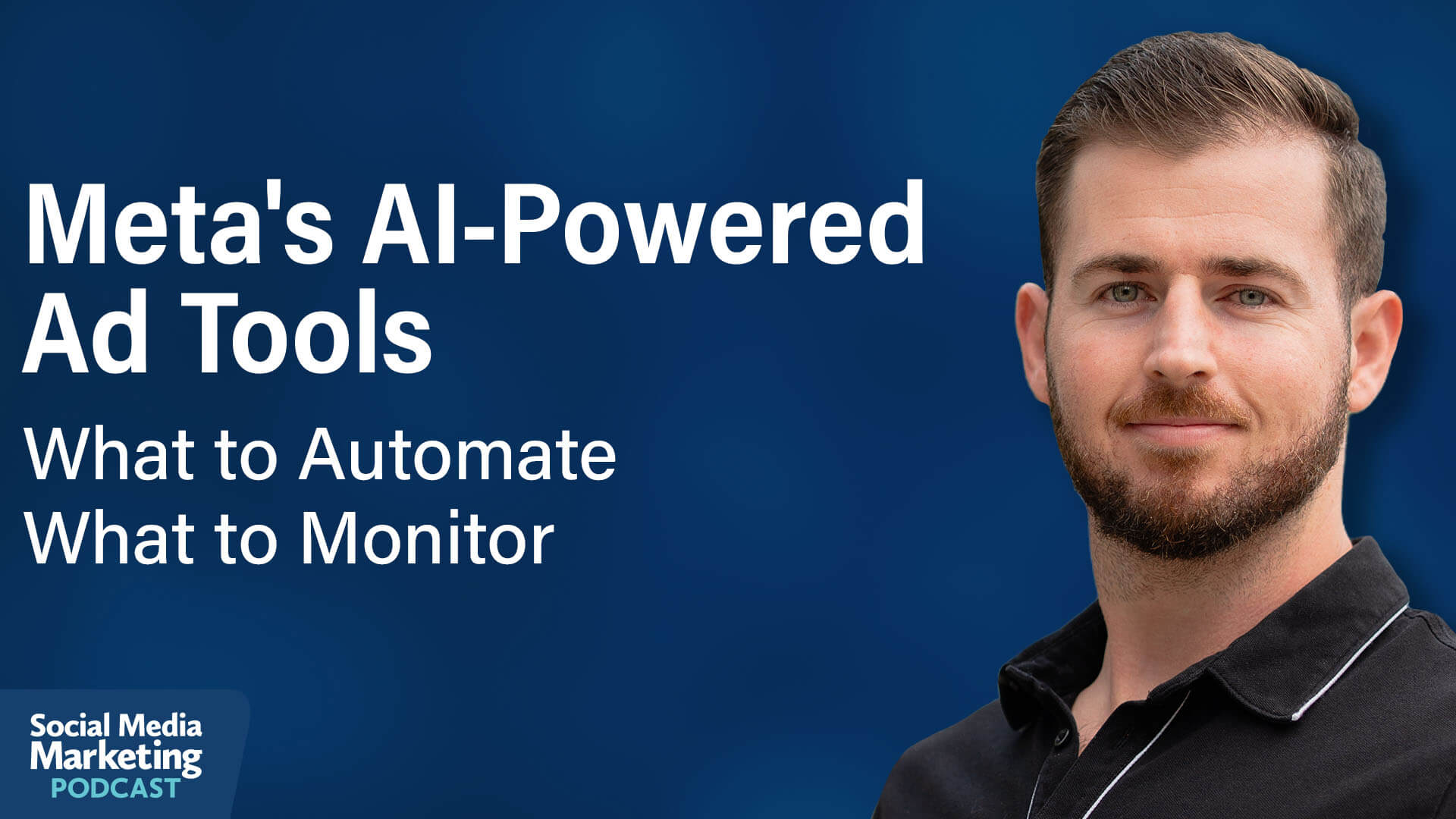
This shift promises increased efficiency and lower barriers to entry, yet it presents a complex dilemma for veteran marketers: how much control should be yielded to the algorithm, and where does human intuition remain irreplaceable? Based on insights from industry expert Nick Theriot, an agency owner specializing in e-commerce, this report examines the state of Meta’s new AI tools and the strategic balance required to navigate them.
Main Facts: The Transition to Guided Control
Meta’s current trajectory is defined by a move toward automation across four critical pillars: tracking, campaign management, creative production, and the sales funnel. The underlying philosophy is that Meta’s AI can process data and execute technical tasks faster and more accurately than a human operator.
The primary driver of this change is the democratization of ad tech. In previous iterations of the platform, success often depended on "hacking" the system through complex bidding strategies and technical setups. Today, Meta is lowering the technical floor. With AI-powered pixel setups and automated campaign assistants, almost any business owner can launch a campaign. However, this ease of use comes with a trade-off: as the platform takes over the "clicking," the marketer’s value shifts from technical execution to high-level strategy and creative direction.
Chronology: From Manual Mastery to Algorithmic Autonomy
To understand the magnitude of the current shift, one must look at the evolution of Facebook Ads over the last decade:
- The Manual Era (2015–2019): Success was defined by account structure. Marketers utilized dozens of campaigns, intricate lookalike audiences, and manual "bid caps" or "cost caps" to find winning pockets of traffic.
- The Disruption (2020–2021): The rollout of Apple’s iOS14 privacy updates severely limited manual tracking capabilities. Meta responded by leaning into predictive modeling to fill data gaps.
- The Creative Pivot (2022–2023): As manual targeting became less effective, "Creative as Targeting" became the industry mantra. Simple account structures—often just one or two campaigns—became the gold standard, with the algorithm using the ad’s content to find the right audience.
- The AI Integration Era (2024–Present): Meta has moved beyond simple automation to generative AI. Tools now include AI-driven pixel deployment, built-in ChatGPT-like assistants, and generative creative suites that can produce images and videos from text prompts.
Supporting Data: The Tools Reshaping the Platform
1. The AI-Powered Pixel and Data Integrity
The Facebook Pixel, the bedrock of conversion tracking, has evolved from a manual code snippet into an AI-driven data connector. Historically, setting up a pixel to track specific events—such as "Add to Cart" or "Purchase"—required a developer or significant technical knowledge of Google Tag Manager.
Meta’s new AI-powered pixel setup can now automatically identify and scrape product details, availability, and pricing from a website without manual tagging. For e-commerce platforms like Shopify, this is often a "one-click" integration. Theriot notes that for lead-generation businesses with complex, multi-step funnels, this AI automation is a critical time-saver. However, the human element remains necessary for data hygiene; marketers must still decide which categories of data to feed the AI and which to keep private.
2. External AI Agents and the Risk of "Account Freezes"
A new frontier involves connecting third-party AI agents, such as Manus or Claude, directly to Meta’s Ads Manager. These agents can analyze performance data, build reporting dashboards, and even ideate and publish content.
However, early data suggests a "speed trap" for early adopters. Reports indicate that some ad accounts have faced bans or freezes shortly after connecting to these AI tools. The working theory is that the high volume of API requests generated by AI agents triggers Meta’s anti-spam security protocols. This highlights a critical friction point: while Meta encourages AI, its security infrastructure is still catching up to the speed of autonomous agents.
3. The AI Business Assistant and the "Spend More" Bias
Meta is rolling out an AI Business Assistant directly within Ads Manager. This tool acts as a consultant, offering real-time recommendations on budget and targeting. While Theriot acknowledges that 90% of the assistant’s advice is superior to what a novice might find on YouTube, he warns of an inherent bias toward Meta’s revenue goals.
A common AI recommendation is to increase daily budgets when a campaign shows a temporary spike in performance. Data shows that multiplying a budget too quickly often degrades the Cost Per Result (CPR). Furthermore, when it comes to the heavy lifting of data analysis, Theriot notes a disparity in AI reliability: Claude is currently superior to Google’s Gemini for spreadsheet math and coding-related analysis, a vital distinction for brands managing million-dollar monthly spends.

4. Generative Creative: The New Competitive Advantage
Perhaps the most impactful shift is in creative production. Tools like Midjourney, Runway, and HeyGen are allowing teams to bypass traditional photography and videography.
- Efficiency: AI now handles roughly 90% of ad copy for top-tier agencies, with humans acting as "copy chiefs" to refine the final 10%.
- Volume vs. Quality: Theriot warns against the "mass-production trap." Testing 200 mediocre AI-generated ads per week rarely yields the same results as five high-intent, original concepts. AI should be viewed as an amplifier of good ideas, not a replacement for them.
Official Responses and Regulatory Context
While Meta continues to push its "Advantage+" suite (its umbrella term for automated tools), the regulatory landscape is beginning to react.
A landmark development is the New York AI disclosure law, set to take effect on June 9, 2026. This legislation will require advertisers to disclose when an ad features an AI-generated person. This move targets the rise of "synthetic UGC" (User Generated Content), where AI avatars are used to simulate customer testimonials. While using an AI persona to explain product benefits is considered a legitimate use case, using them to make fabricated health or financial claims is increasingly being flagged as a legal liability for advertisers.
Implications: The Future of the Marketing Professional
The rise of Meta’s AI tools signals the eventual obsolescence of the traditional "media buyer." The role of clicking buttons, adjusting bids, and micromanaging audiences is being subsumed by the algorithm. In its place, the "Marketing Manager" or "Growth Strategist" is emerging as the most valuable asset.
The Psychology of the Sales Funnel
One of the most profound implications of Meta’s AI tools is found in the "middle of the funnel." Meta is pushing "One-Click Checkout" and post-click AI shopping features to reduce friction. However, data from Shopify product pages suggests a psychological counter-intuitive: switching an "Add to Cart" button to "Buy Now" often decreases conversion rates.
The human brain requires a "buffer" of two to three seconds to process a purchase. By removing this friction through AI-driven one-click mechanics, brands may inadvertently trigger a "buyer’s remorse" reflex before the purchase even happens. This underscores the need for human oversight in the "customer journey" design.
The 80/20 Strategic Framework
As Meta continues to release unproven AI features, the most successful advertisers are adopting an 80/20 rule:
- 80% of Budget/Time: Allocated to "tried and true" methods—proven creative assets, stable account structures, and reliable tracking.
- 20% of Budget/Time: Allocated to "Alpha/Beta" testing of Meta’s new AI tools, such as automated shopping features or AI-generated spokespeople.
Conclusion
Meta’s new AI tools represent a double-edged sword. For the novice, they offer a shortcut to professional-grade advertising. For the expert, they offer a way to scale creative output and automate the mundane. However, the "black box" nature of these tools requires a new kind of vigilance.
The marketers who will thrive in this new era are those who recognize that while AI can execute the "how," humans must still define the "why." Understanding the target audience, crafting a compelling offer, and maintaining ethical standards in the age of generative media remain tasks that no algorithm—no matter how advanced—can yet master. Meta has provided the engine; it is still up to the human marketer to steer the ship.