The Death of Information Overload: Why Curation is the New Currency in Marketing
In the modern digital ecosystem, marketing leaders are suffering from a paradox: they are drowning in information yet starving for insight. Every day, the typical executive’s inbox is inundated with a tidal wave of industry reports, AI-generated think pieces, and “must-read” white papers. The sheer volume of content has become a barrier to progress rather than a catalyst for it.
The industry’s leading thinkers are now arriving at a startling, yet logical, conclusion: marketing leaders do not need more content—they need better filters.
This realization has sparked a quiet revolution in corporate communications. Brands are moving away from the "firehose" approach of content distribution and pivoting toward highly curated, high-utility newsletter strategies. A prime example of this shift is the recent transformation of Convince & Convert’s legacy newsletter, ON, into its new, streamlined successor: The Trendline.
The Core Philosophy: Less is More
The shift toward curation is rooted in a fundamental change in how marketing professionals consume information. For years, the standard playbook for brand newsletters involved dumping a list of links—a "best-of" collection of blog posts, podcasts, and news stories. While this served a purpose in the early days of content marketing, it has become increasingly ineffective.
"Marketing leaders don’t need more content in their inboxes," says the leadership team at Convince & Convert. "None of us do, really. We want to be entertained, inspired, and feel smarter. Our theory is that marketers need less content, and the content they do consume needs to help them make smarter decisions in an industry built on rapid change."
The philosophy behind The Trendline is simple: provide value upfront. By delivering strategic insights directly within the body of the email—rather than forcing the reader to click through to external sites to find the "so what"—brands can provide immediate, actionable intelligence that respects the reader’s time.
Data-Driven Decisions: Why Newsletters Still Rule
To validate this pivot, Convince & Convert conducted extensive annual audience research. The findings were decisive: despite the explosion of short-form video, podcasts, and interactive webinars, the humble newsletter remains the preferred medium for marketing professionals to stay informed.

The Research Snapshot
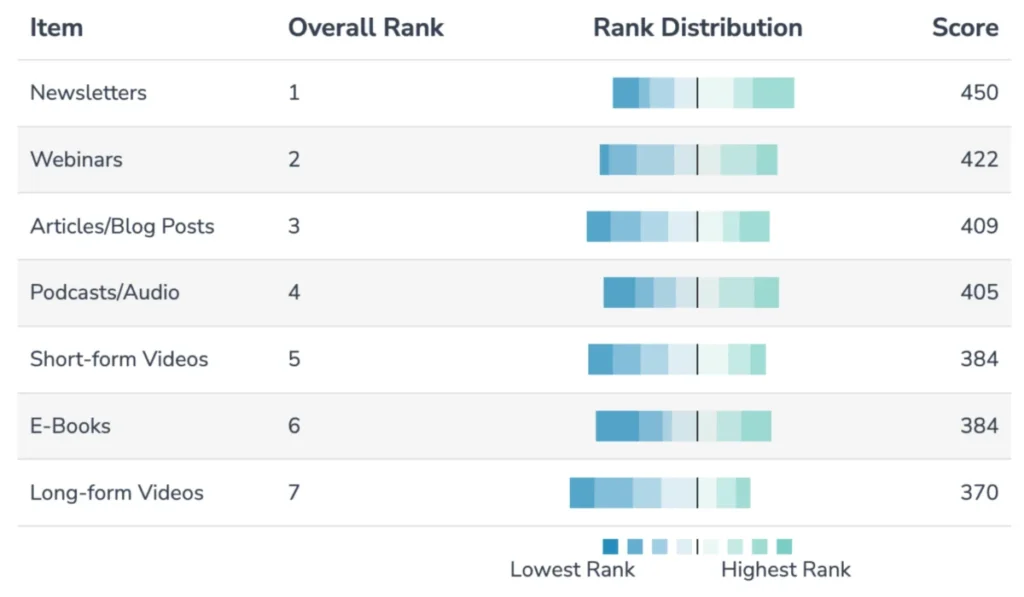
When surveyed, marketing leaders were asked to rank seven different content formats based on their preference for learning about industry trends and insights. The results indicated that:
- Newsletters were ranked first at a rate nearly twice as high as any other medium.
- Accessibility and utility were cited as the primary drivers of this preference.
- Strategic synthesis—the ability for a curator to explain not just what happened, but why it matters—is what separates a successful newsletter from a digital "junk mail" folder.
This data underscores a critical reality: in a noisy world, the most valuable commodity a brand can offer its audience is cognitive ease. By doing the "thinking" for the reader, a brand establishes itself as a trusted partner rather than just another content producer.
The Evolution of The Trendline: A Case Study
The transition from ON to The Trendline was not merely a cosmetic rebrand; it was a structural overhaul of the brand’s entire email marketing strategy.
Chronology of the Change
- Diagnosis: The team identified that the old ON format forced readers to work too hard to extract value. It relied on a "medium-first" structure (e.g., "Here is our latest blog post," "Here is our latest podcast").
- Strategic Pivot: The team shifted to a "utility-first" structure. The focus moved from promoting specific content assets to delivering a curated "debrief" of the week’s most important industry shifts.
- Implementation: New editorial guidelines were established to ensure that every section has a clear, predefined purpose, enabling the team to remain concise while delivering depth.
- Refinement: The introduction of "Sound Off," an interactive poll at the end of each edition, was added to create a new, cleaner engagement metric that moves beyond the often-muddied data of traditional open and click-through rates.
The New Structural Hierarchy
The new format of The Trendline is built around four major pillars of utility:
- The Lead Insight: A high-level, strategic takeaway that sets the tone for the edition.
- The Debrief: Topical resources filtered through a professional, analytical lens.
- Actionable Advice: Answering the "so what?"—what questions should marketers be asking themselves based on these trends?
- Interactive Engagement: Using polls and community-focused questions to turn the newsletter from a broadcast channel into a two-way conversation.
Implications for the Modern Marketing Department
This transformation offers a blueprint for any brand looking to refine its own content strategy. The lessons learned here extend far beyond the newsletter format; they touch upon the core tenets of modern audience engagement.
1. Don’t Gate Value
The most common mistake in email marketing is holding the "value" behind a link. If you want to build trust, provide the insight within the email. If the reader finds that initial summary helpful, they will be far more likely to click through for the deep dive. If they don’t have time to click, they will still walk away feeling that the newsletter was a valuable use of their time.
2. Identify the "Who" and the "Why"
When preparing content for senior decision-makers—such as CMOs—the audience is rarely looking for raw data or long-winded explanations. They are looking for ways to solve problems for their teams. Before sending a newsletter or a report, ask: What is the one thing they need to know to make their lives easier today?

3. Move Beyond "Vanity Metrics"
Open rates and click-through rates are notoriously unreliable indicators of sentiment. By incorporating interactive elements like polls, brands can generate "active" engagement data. This not only provides better feedback on what the audience finds relevant but also deepens the relationship between the brand and the reader.
4. Invest in Curation as a Core Competency
In an era of AI-generated content, the demand for human, expert-led curation is rising. The ability to filter, synthesize, and provide a unique strategic perspective is becoming the ultimate differentiator. As the team at Convince & Convert noted, "This is not a lateral move." It requires more effort to curate thoughtfully than to simply blast out content, but the ROI—in the form of brand authority and trust—is significantly higher.
Final Thoughts: The Future of Trust
The shift toward a more curated, thoughtful approach to email marketing represents a return to the fundamentals of communication. In an era where trust and attention are increasingly scarce, the brands that win will be those that prioritize the reader’s experience over their own vanity.
The success of The Trendline proves that when you stop treating your audience as a target for clicks and start treating them as a community to be served, the engagement follows. The era of the "content firehose" is coming to a close. The era of the "strategic filter" has begun.
For marketing leaders, the challenge is clear: stop competing for attention through volume and start earning it through relevance. By rethinking how you deliver information, you can transform your email strategy from a neglected inbox item into an indispensable tool for your audience’s success.