Digital Revolution in Agriculture: Government to Launch Unified Livestock Insurance Portal
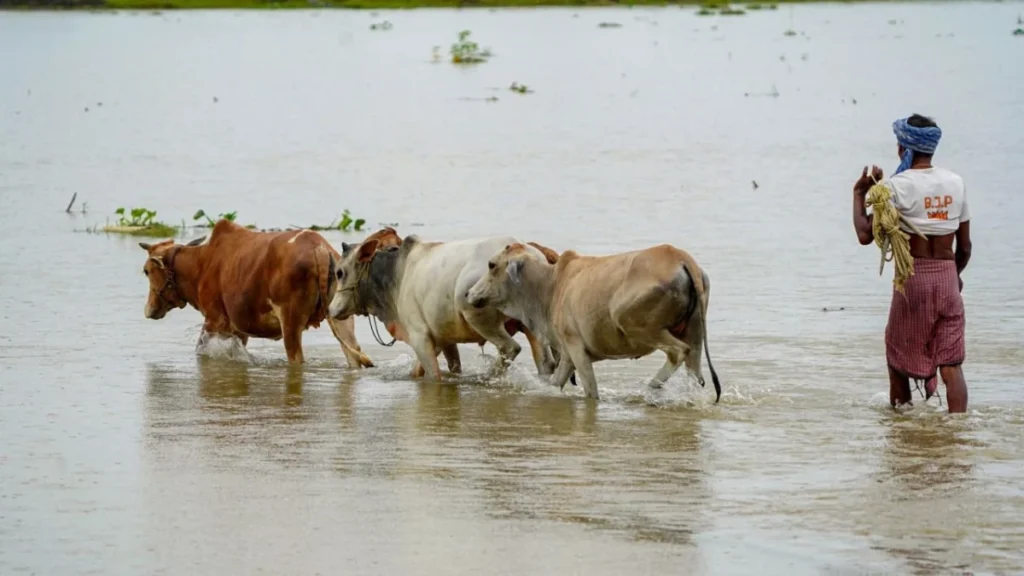
New Delhi, September 27, 2026: In a transformative move aimed at bolstering the rural economy and providing a safety net for millions of livestock farmers, the Union Ministry of Fisheries, Animal Husbandry and Dairying has announced the imminent launch of a state-of-the-art integrated digital portal. The platform is set to be inaugurated by Union Minister Rajiv Ranjan Singh, popularly known as Lalan Singh, marking a significant milestone in the government’s ongoing effort to digitize agricultural services and simplify complex insurance processes.
The portal is designed to serve as a single, integrated digital ecosystem for livestock insurance, consolidating what was previously a fragmented and often cumbersome administrative process into a streamlined, tech-driven interface.
Main Facts: A Paradigm Shift in Livestock Coverage
The upcoming portal represents a fundamental shift in how the Indian government interacts with the livestock-rearing community. By migrating from manual, paper-based documentation to a centralized digital architecture, the government aims to address the long-standing challenges of transparency, accessibility, and speed in the insurance sector.
Core Objectives of the Platform:
- Unified Policy Issuance: Farmers will no longer need to navigate multiple departments or physical offices to secure insurance policies. The portal will enable real-time policy generation.
- Automated Claim Processing: One of the most significant pain points for farmers has been the delay in claim settlements. The new portal introduces an automated workflow that reduces human intervention and accelerates the disbursement of funds.
- Real-time Monitoring: The Ministry will gain unprecedented oversight into insurance coverage across different states and districts, allowing for better policy adjustment and resource allocation.
- Data-Driven Reporting: The platform will aggregate data to provide insights into livestock health, insurance penetration, and regional risk factors, empowering policymakers to make evidence-based decisions.
Chronology: The Road to Digitization
The development of this portal is the culmination of several years of strategic planning and digital infrastructure building within the Ministry of Fisheries, Animal Husbandry and Dairying.
- Early 2024: The Ministry identified the high rate of "uninsured assets" in the livestock sector as a primary risk to the income stability of small and marginal farmers. Initial discussions began on creating a national database of livestock.
- Mid-2025: Following the successful rollout of various digital initiatives in the crop insurance sector (PMFBY), the government directed the Animal Husbandry department to explore a similar scalable model for livestock.
- January 2026: Pilot testing for the digital infrastructure began in select districts across five states, focusing on integrating UID-based tagging for animals with the insurance backend.
- August 2026: The Ministry successfully completed the beta testing phase, with positive feedback from insurance providers and select farmer cooperatives.
- September 27, 2026: Formal announcement of the portal’s launch by Union Minister Lalan Singh, signaling a nationwide rollout.
Supporting Data: Why Livestock Insurance Matters
India possesses the world’s largest livestock population, with over 535 million animals, according to the 20th Livestock Census. This sector is the backbone of the rural economy, contributing significantly to the GDP and providing a crucial safety net for landless laborers and small farmers.
The Vulnerability Gap
Despite its importance, livestock insurance penetration remains alarmingly low. Industry estimates suggest that less than 10% of the country’s livestock is currently covered under any form of formal insurance. The primary barriers identified by researchers include:
- High Transaction Costs: The cost of physically verifying animal health and processing claims often outweighs the premiums for insurance companies.
- Awareness Deficit: Many farmers are unaware of existing schemes or find the documentation process too intimidating.
- Lack of Standardized Data: The absence of a unique identity for animals has historically made it difficult to verify claims and prevent fraud.
By moving to a digital portal, the government aims to reduce the "cost of servicing" a policy, thereby encouraging private insurance firms to participate more aggressively in the sector.
Official Responses and Strategic Vision
Speaking on the vision behind the portal, representatives from the Ministry emphasized that the move is aligned with the broader "Digital India" campaign.
Minister Lalan Singh’s Perspective
During recent internal consultations, Union Minister Lalan Singh highlighted that the portal is not merely a technical upgrade but a socio-economic intervention. "Our farmers are the backbone of this nation," the Minister noted. "When a farmer loses a head of cattle, they often lose their primary source of livelihood. This portal will ensure that help reaches them without the intervention of middlemen, ensuring that every claim is processed with dignity and speed."
Regulatory Oversight
The Insurance Regulatory and Development Authority of India (IRDAI) has been working in tandem with the Ministry to ensure that the portal complies with global standards of digital security and consumer protection. Officials have confirmed that the portal will incorporate multi-factor authentication and blockchain-based record-keeping to ensure that animal data—once entered—cannot be tampered with, thereby minimizing the risk of fraudulent claims.
Implications: The Long-term Impact on Rural India
The launch of the Livestock Insurance Portal is expected to have far-reaching consequences for the agricultural landscape in India.
1. Empowerment of the Small Farmer
By simplifying the insurance process, the government is essentially lowering the barrier to entry for the poorest farmers. Access to insurance transforms a "risky asset" (a cow or buffalo) into a "bankable asset," as farmers will find it easier to secure loans against insured livestock.
2. Strengthening the Supply Chain
The portal will likely integrate with veterinary databases. This means that insurers can assess the health history of an animal more accurately. In the long run, this could lead to "preventative insurance," where farmers are incentivized to keep their animals healthy to receive lower premiums, effectively raising the standard of animal husbandry across the country.
3. Financial Stability for the Sector
With a robust digital backbone, the livestock insurance sector will become more attractive to private insurers who were previously wary of the risks involved. Increased competition among insurers will likely lead to more affordable premium structures and better service delivery, fostering a more resilient rural economy.
4. Technological Synergy
The integration of this portal with existing systems, such as the Pashu Aadhar (UID for animals), creates a seamless digital loop. Every animal will have a digital identity, and every policy will be mapped to that identity. This eliminates the possibility of double-claiming and ensures that the right farmer receives the right support at the right time.
Conclusion: A Future-Ready Agriculture Sector
As India strives to become a global leader in dairy and livestock production, the importance of risk management cannot be overstated. The launch of the Integrated Livestock Insurance Portal by Union Minister Lalan Singh is a landmark event that bridges the gap between traditional farming and the digital age.
While the technical launch is the first step, the ultimate success of this initiative will depend on the "last-mile connectivity"—ensuring that farmers in the most remote corners of India are trained and assisted in using the platform. With the government’s commitment to training local village-level entrepreneurs and Common Service Centers (CSCs), there is significant optimism that this portal will redefine rural financial security.
As the nation looks toward the 2027 agricultural cycle, the implementation of this portal stands as a testament to the government’s commitment to building a more transparent, efficient, and resilient future for India’s millions of livestock farmers. The era of digital empowerment in animal husbandry has officially arrived.