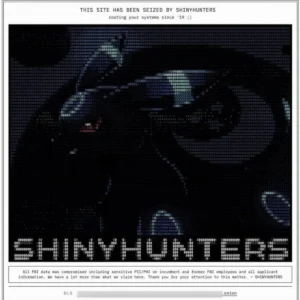
The Downfall of TeamPCP: How a Reckless Collective of "Cybercats" Triggered a Global Supply Chain Crisis
In a landmark operation that has sent shockwaves through the global cybersecurity landscape, Australian authorities have successfully dismantled TeamPCP, a decentralized but highly prolific cybercrime syndicate responsible for what security researchers describe as the most persistent and damaging software supply chain attack spree in history.
The Australian Federal Police (AFP) confirmed the arrest of two Western Australian men, aged 21 and 23, following a coordinated investigation involving the FBI and local law enforcement. The suspects, identified as Ruben Ian Thomson (21) and Michael Gaebler (23), stand accused of orchestrating a sophisticated campaign that weaponized open-source software to infiltrate thousands of corporate networks worldwide. The arrests mark the culmination of a months-long pursuit characterized by digital cat-and-mouse games, extensive forensic analysis, and, ultimately, a series of catastrophic operational security (OPSEC) failures by the perpetrators themselves.

A Reign of Digital Terror: The "Shai-Hulud" Era
TeamPCP first emerged on the cybercrime horizon in late 2025, distinguishing itself through a unique, cyclical exploitation model. Rather than relying on simple ransomware or static data theft, the group mastered the art of "supply chain poisoning."
At the heart of their operations was Shai-Hulud, a self-propagating worm designed to infiltrate software development environments. By phishing developer credentials for public repositories like GitHub and NPM, TeamPCP members could inject malicious code into legitimate, widely-used open-source tools. When unsuspecting developers downloaded these updates, the worm would execute on their machines, harvesting credentials and enabling the group to publish further malicious versions of development tools.

This "circular exploitation" allowed the group’s influence to grow exponentially. As journalist Andy Greenberg noted, the malware turned every infected developer into a potential distribution vector, creating a cascading failure in the software supply chain that left even the world’s largest technology firms vulnerable.
Chronology of a Global Breach
The trajectory of TeamPCP’s influence was meteoric, marked by bold claims and increasingly sophisticated targets:

- September 2025: TeamPCP begins surfacing on dark web forums like DarkForums and Breachstars, selling virtual private server (VPS) access and advertising their capabilities.
- March 2026: The group executes a high-profile attack on LiteLLM, an open-source gateway connecting users to over 100 Large Language Models. Analysis by security firm CloudSEK later revealed this breach compromised cloud service keys and secrets across more than 2,500 organizations.
- May 2026: TeamPCP claims credit for compromising at least 3,800 code repositories at Microsoft-owned GitHub after a developer installed a poisoned extension.
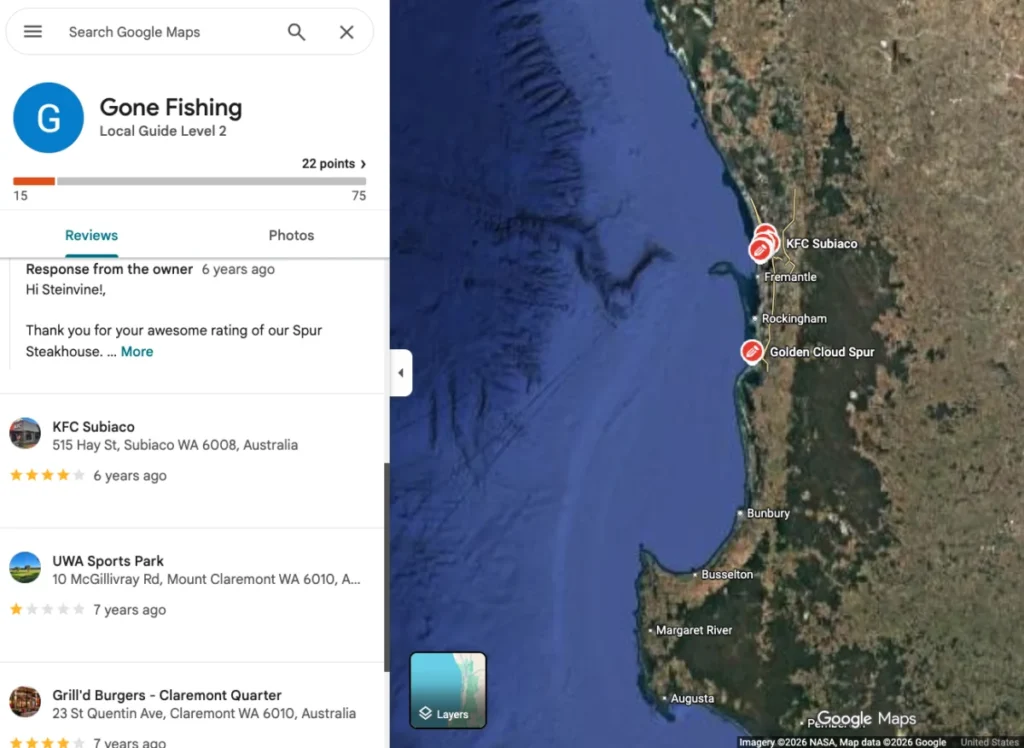
- June 2026: Security researchers begin identifying patterns connecting various aliases—such as "Deadcatx3" and "EllisD25"—to a singular geographic origin in Perth, Australia.
- August 2026: The AFP, working in tandem with international partners, executes search warrants in Western Australia, leading to the arrest of Thomson and Gaebler.
The "Cybercats" and the Anatomy of the Collective
Security analysts, including those from the Google Threat Intelligence Group, have characterized TeamPCP not as a rigid hierarchy, but as a "peer community" of threat actors. This network, which adopted the moniker "Cybercats" on the encrypted Matrix communications platform, served as a hub for collaborative criminality.
The group’s center of gravity was Ruben Thomson, who operated under various aliases including "@kernelstub," "Ellis," and "BulkDMT." Investigations into Thomson’s digital footprint revealed a staggering number of OPSEC blunders. Despite his claims of being a skilled developer, Thomson repeatedly linked his criminal personas to his real-world identity. Passive DNS records tied his home IP address in the Perth suburb of Cottesloe to personal file servers, while his business registrations—including "OPSEC Express"—ironically utilized the very nicknames he used on cybercrime forums.

Michael Gaebler, the second suspect, allegedly operated under the handle "@pcpcasper." Intelligence gathered from Telegram chats revealed Gaebler to be a vocal member of the National Socialist Network, a neo-Nazi group. His downfall was partly precipitated by his tendency to share photos and videos of his life in Western Australia, which provided investigators with the visual confirmation needed to finalize their case.
Supporting Data and the "Gamification" of Crime
Perhaps the most alarming aspect of TeamPCP’s operations was the "gamification" of their supply chain attacks. In May 2026, the group launched a contest offering $1,000 in Monero (XMR) to participants who could perform the largest supply chain operations using the Shai-Hulud code.

The security firm Dataminr noted that the prize money was merely a "recruitment floor." The true intent was talent identification and the acquisition of malicious access at scale. By incentivizing participants to target the most popular code libraries, TeamPCP effectively outsourced their labor, creating a decentralized army of attackers driven by profit and the promise of future "bonuses" for finding high-value targets.
Official Responses and Judicial Proceedings
The AFP’s statement regarding the arrests emphasized the gravity of the offenses, noting that the suspects face a combined 14 cybercrime charges. Following their appearance in Perth Magistrates Court, Ruben Thomson was denied bail, while Michael Gaebler’s counsel did not contest his continued detention. Both men are currently held in custody pending their next hearing on September 18.

Microsoft and other major repository maintainers have since been forced to adopt a more proactive security posture. The humiliation of the GitHub breach served as a catalyst for systemic change, most notably the implementation of a mandatory three-day "cooldown" period for Dependabot updates. This mechanism aims to prevent the automated distribution of poisoned updates, providing a critical window for security researchers to identify malicious code before it reaches the end user.
Implications: The Future of Supply Chain Security
Charlie Eriksen, a security researcher at Aikido Security, argues that TeamPCP represents a dangerous new breed of threat actor: one that is "noisy," prone to mistakes, yet exponentially more dangerous due to the integration of AI tools.

"They aren’t state-sponsored, and they aren’t purely ideological," Eriksen explains. "They represent a fusion of chaotic, attention-seeking behavior with high-level technical capability. They’ve proven that you don’t need the backing of a nation-state to cripple a global supply chain—you just need a lack of consequences and the ability to leverage LLMs to bypass the traditional research-to-exploitation gap."
The legacy of TeamPCP will likely be defined by the industry’s forced maturation. By exposing the fragility of the "trust model" in open-source development, they have accelerated security reforms that had been stalled for years. However, the ease with which these young, reckless actors were able to compromise the backbone of the internet remains a sobering reminder of the ongoing vulnerability of our digital infrastructure.

As the judicial process begins, the tech community is left to reckon with the reality that the next TeamPCP may already be forming in an encrypted chat room, waiting to exploit the next line of vulnerable code. The era of the "Cybercats" may be over, but the structural weaknesses they exploited remain an open door for those willing to walk through them.