The Fall of a Data Titan: How Radaris.com Was Brought to Its Knees

For years, the consumer data broker Radaris.com operated with a sense of impunity that has become emblematic of the "people-search" industry. By building a sprawling empire of personal dossiers and consistently ignoring removal requests from those it profiled, the company established a reputation for total indifference toward individual privacy. However, that era of unchecked data harvesting has come to a sudden and dramatic halt.
In a landmark legal victory, a New Jersey court has ordered the transfer of Radaris.com and more than a dozen associated data broker domains to the plaintiffs in a high-stakes lawsuit. The judgment serves as a stinging rebuke to a company that, according to court filings, engaged in years of legal obfuscation, shell games, and the invention of fictitious executive personas to shield its true operations from accountability.
The Genesis of the Conflict: Daniel’s Law
The legal siege against Radaris was spearheaded by Atlas Data Privacy Corp, a firm dedicated to enforcing “Daniel’s Law.” Named after Daniel Anderl, the son of a U.S. District Court judge who was murdered in 2020, the New Jersey statute provides a critical shield for state law enforcement officials, judges, and government personnel. The law mandates the removal of their personal information from commercial databases and imposes stiff penalties—up to $1,000 per violation—for companies that ignore these requests.
When Atlas began its campaign against Radaris in February 2024, it encountered a familiar industry tactic: stonewalling. While the law is clear, the implementation is often sabotaged by data brokers who hide behind shifting corporate structures and complex, multi-layered ownership entities.
A Chronology of Deception
The unraveling of the Radaris empire began with a series of investigative reports by KrebsOnSecurity, which pierced the veil of the company’s anonymous leadership.
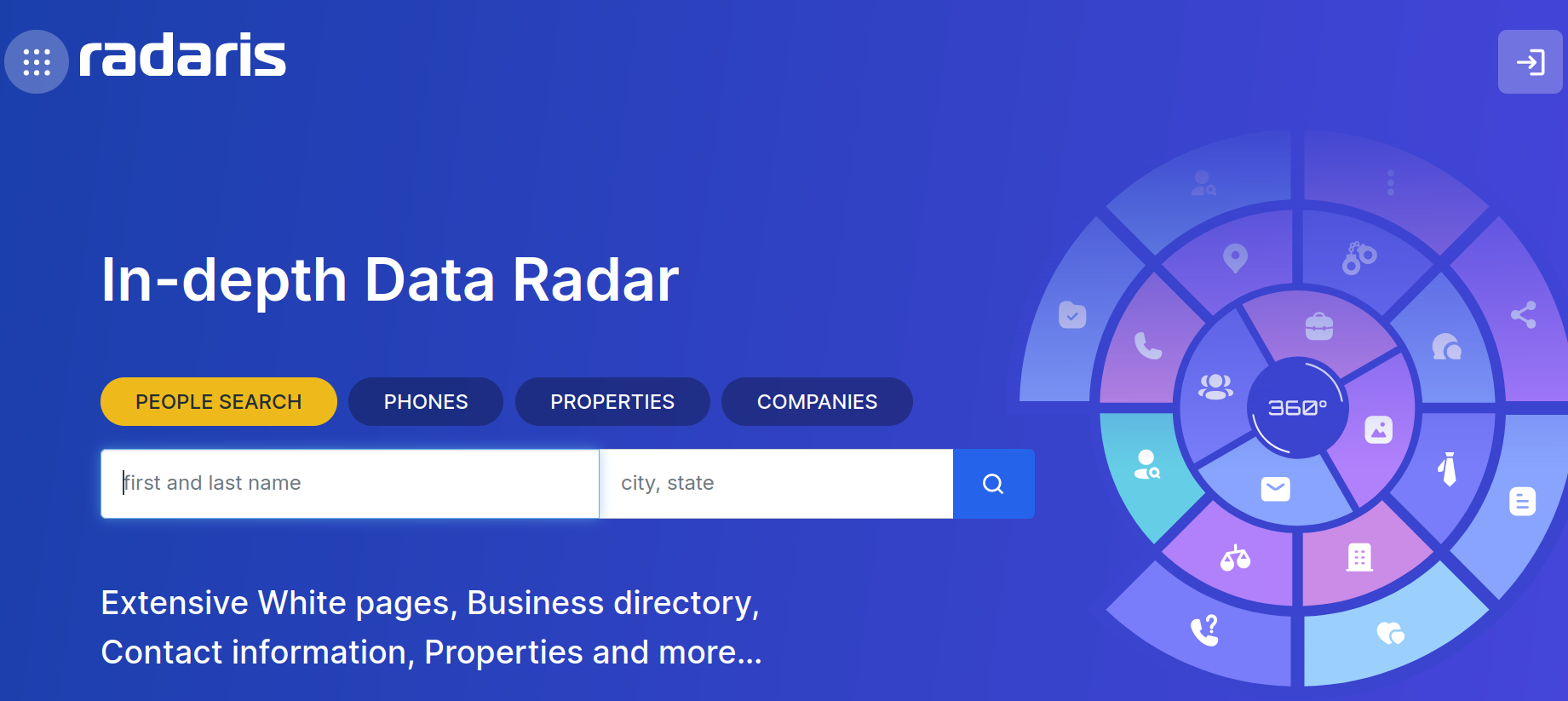
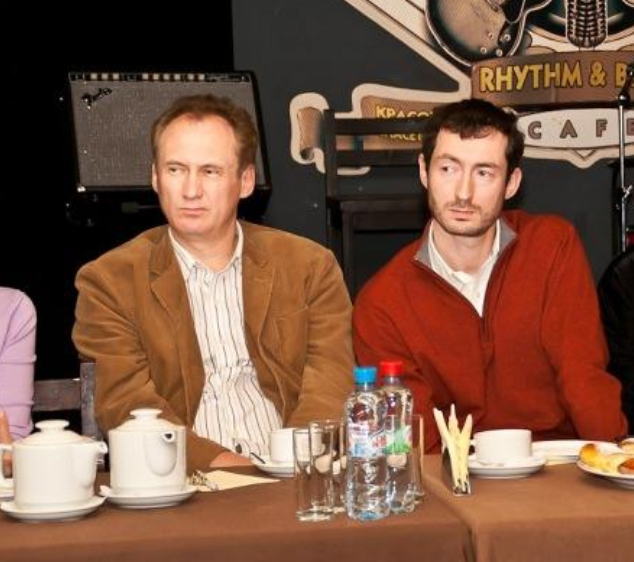
- March 2024: An investigation identified the true architects of Radaris as Igor and Dmitry Lubarsky, Russian-born brothers based in Massachusetts. The brothers operated a vast network of people-search sites, affiliate marketing programs, and dating services.
- The “Gary Norden” Scandal: Following the initial report, the Lubarsky brothers’ legal counsel threatened a defamation lawsuit, insisting that the true owners were Ukrainians living in Ukraine. KrebsOnSecurity doubled down, revealing that the company had manufactured a fake CEO named "Gary Norden" to front the business, even using this pseudonym in press releases to solicit investment.
- June 2025: After a previous legal attempt was hampered by procedural disputes, Atlas re-filed its lawsuit, significantly expanding the scope to include a wider net of the “Radaris family” of companies.
- August 2026: A New Jersey judge, fed up with the defendants’ failure to respond to court orders and their history of procedural maneuvering, issued a default judgment. The court ordered the transfer of 14 domains, including the flagship Radaris.com, to the plaintiffs.
The “Island-Hopping” Shell Game
Matt Adkisson, CEO of Atlas Data Privacy Corp, described the legal battle as an exercise in whack-a-mole. According to Adkisson, Radaris engaged in an "island-hopping" strategy to evade legal service and liability.
"Privacy policies changed constantly, and new entities kept appearing from places like the Marshall Islands, the British Virgin Islands, and Seychelles," Adkisson told KrebsOnSecurity. "Behind the scenes, it felt like a shell game. Defense lawyers told the court that certain entities merely operated the domains and were the proper parties to sue. But by the time a judgment neared, those entities would be discarded and new entities would appear."
In one notable instance, when Radaris updated its terms of service to claim it was managed by a firm in the Marshall Islands, an investigation by Atlas revealed that the entity did not even exist at the time of the claim. This pattern of behavior—moving assets between offshore shell companies—was designed to exhaust the resources of any plaintiff bold enough to challenge them.
Supporting Data: The “One Operation” Theory
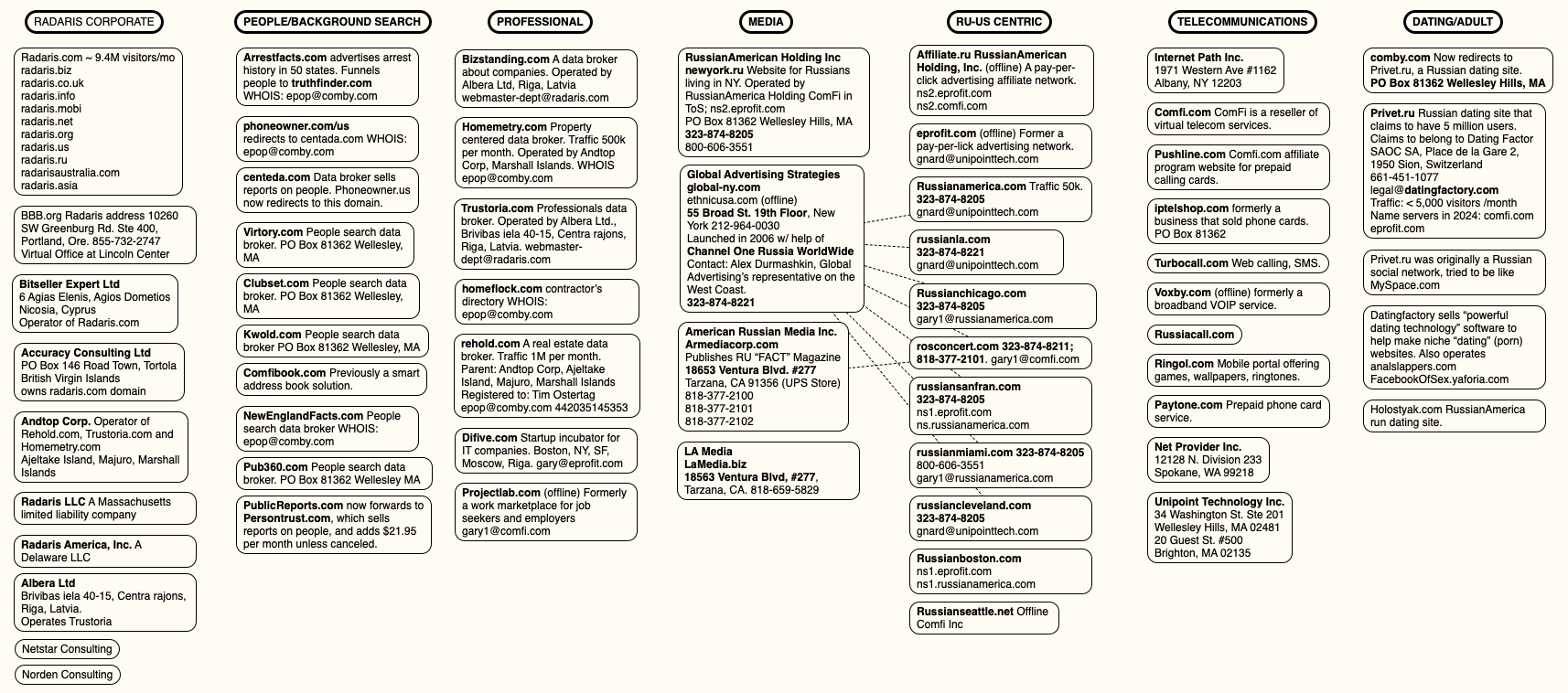
Through the course of litigation, Atlas obtained more than 10,000 emails and internal documents. These records provide a rare, microscopic look at the mechanics of the people-search industry. The documents confirm that numerous legal entities—including Radaris America, Inc., Bitseller Expert Limited, Digital Orbit Corp, and Veripages Inc.—were merely hollow shells.
The evidence shows that these sites share:
- A centralized administrative and financial hub.
- The same bank accounts and payment processor sets.
- A single virtual office address.
- Technical infrastructure managed through a unified network of mail domains.
According to the analysis, Radaris.com alone generates approximately $42,000 in monthly revenue, while its sister site, Veripages.com, nets roughly $45,000. These figures are bolstered by partnerships with mainstream advertising firms and even, ironically, "privacy" companies like Onerep, which reportedly earned $25,000 a month from the Radaris network—a classic example of "selling the cure" to a disease the company helped proliferate.
Official Responses and Legal Maneuvering
The legal representatives for the Radaris operation have remained defiant. When reached for comment, attorney Victor Worms, representing the defendants, characterized the court’s domain transfer as a legal impossibility.
"We have made a motion to vacate that default judgment on the grounds that it is void since a non-entity has no legal capacity to sue or be sued," Worms stated. He further asserted that the transfer of the domain constitutes a forfeiture in violation of constitutional principles, signaling that the battle will likely move toward a lengthy appellate process.
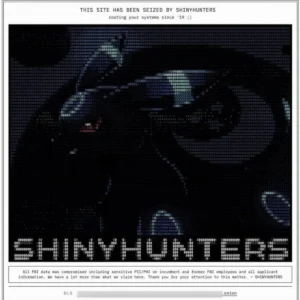
Despite these claims, the reality on the ground has changed. Radaris.com, once a gateway to millions of private records, now serves as a landing page for a notice regarding the court-ordered transfer, offering a symbolic victory for privacy advocates.
The Broader Implications: A Privacy Crisis
The case against Radaris is a microcosm of a much larger crisis in the digital age. While Daniel’s Law provides a specific remedy for public officials, the wider industry of data brokers continues to operate in a legal gray area.
The Constitutional Challenge
The data broker industry is currently fighting back, with over 150 lawsuits moving through the system. Many firms are challenging state privacy laws as violations of the First Amendment, arguing that the public disclosure of government-sourced information is protected speech. The U.S. Court of Appeals for the Third Circuit is currently weighing these arguments, and the issue is widely expected to reach the Supreme Court.
The Federal Legislative Gap
Privacy expert Justin Sherman, author of The Middlemen, argues that relying on state-by-state litigation is a stopgap measure at best. The fundamental issue is that current laws consistently exempt "public" records—which today encompass almost every aspect of a person’s life, from marriage certificates to criminal records and property filings.
"The lack of comprehensive federal privacy law is not for a lack of knowledge," Sherman noted. "We have had eight million wake-up calls already. The industry lobbies aggressively against these laws, using AI and economic stability as fear-mongering tactics to maintain their ability to scrape and sell data."
The Road Ahead
As states continue to pass their own versions of Daniel’s Law, the fragmentation of the regulatory landscape is likely to increase. While West Virginia’s version of the law was recently ruled unconstitutional, other states are pushing forward, creating a volatile legal environment for brokers.
For the average American, the lesson of the Radaris case is clear: the data broker industry is not invincible, but it is deeply entrenched. Without federal intervention that moves beyond "public record" exemptions, individuals remain vulnerable to the commodification of their personal identities. The downfall of the Lubarsky brothers’ domain empire represents a significant victory, but it is merely one skirmish in a much larger, ongoing war for the digital right to be left alone.