The Future of Digital Payments: Elon Musk Unveils X’s Peer-to-Peer “Micro-Tip” Feature
By IANS
Updated: October 25, 2026
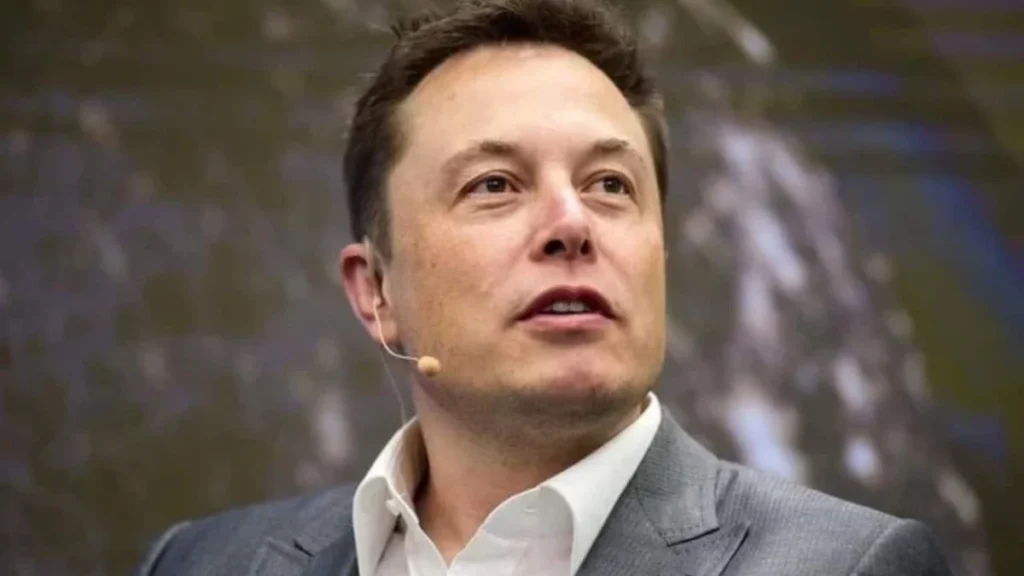
In a move that promises to redefine the social media landscape and disrupt traditional fintech models, Elon Musk has announced a transformative new feature for the platform formerly known as Twitter. According to a post shared by the platform’s owner on October 25, 2026, X is rolling out a seamless peer-to-peer (P2P) payment functionality that allows users to transfer small, incremental amounts of money directly through the interface. This feature, which leverages a “long-press” gesture on the “Like” button, is being positioned as a frictionless way for users to support creators, tip journalists, or simply settle small debts with friends across the globe.
The Core Concept: Redefining Social Interaction as Financial Exchange
The vision Musk outlined suggests a pivot for X from a simple micro-blogging platform toward an "everything app." By integrating a payment layer directly into the user experience, Musk aims to remove the friction associated with third-party payment gateways.
The mechanism is deceptively simple: by long-pressing the "Like" button, a user can trigger a prompt to send a nominal amount—initially set at $1—to the original poster. This system, colloquially referred to by insiders as the "Micro-Tip" feature, is designed to capitalize on the impulsive nature of social media interaction. By making the act of financial appreciation as effortless as clicking a heart icon, X is attempting to create a self-sustaining ecosystem where high-quality content is monetized instantly, rather than relying solely on ad-revenue sharing programs.
Chronology: From Concept to Implementation
The journey toward this announcement has been marked by a series of strategic acquisitions and regulatory hurdles.
- Early 2023: Shortly after his acquisition of the platform, Musk signaled his intent to turn the site into an "everything app," mirroring the success of China’s WeChat.
- Late 2024: X began securing money transmitter licenses across multiple U.S. states, a prerequisite for facilitating financial transactions.
- Mid-2025: The platform launched its "X Pay" pilot program, which initially allowed for basic wallet functionality and holding balances in digital assets.
- Q1 2026: Beta testing of the payment backend commenced, with a limited group of verified creators testing the P2P transfer interface.
- October 25, 2026: Elon Musk officially announces the integration of the $1 transfer feature, signaling the public phase of the rollout.
Supporting Data: The Rise of the Creator Economy and Micropayments
The logic behind the $1 transfer feature is backed by shifting trends in the digital creator economy. Current market research suggests that the creator economy is valued at over $250 billion, yet a significant portion of that revenue remains inaccessible to "mid-tier" creators who do not command massive advertising deals.
Data from the past two years shows that:
- Micro-Transaction Growth: Platforms that enable small, frequent transactions see a 35% higher user retention rate compared to those relying on subscription-only models.
- Friction Costs: Traditional bank transfers or even third-party apps like PayPal often involve fees that render small transfers (under $5) impractical. By processing these transactions internally on X’s ledger, the platform claims it can reduce or eliminate the processing fees that typically plague smaller transactions.
- User Adoption: Surveys conducted by X’s internal research team indicated that 62% of active users expressed interest in tipping content creators directly, provided the process took fewer than three seconds.
Official Responses and Regulatory Outlook
The announcement has triggered a wave of reactions from both industry experts and regulatory bodies.
Industry Skepticism
Financial analysts remain cautious. "The challenge for X is not the technology, but the regulatory compliance," says Sarah Jenkins, a senior fintech analyst at Global Market Insights. "Managing a platform that facilitates cross-border P2P payments puts X in the crosshairs of global anti-money laundering (AML) laws and ‘Know Your Customer’ (KYC) requirements. If they can solve the compliance bottleneck, they have a massive advantage over legacy banking."
Musk’s Perspective
In his social media post, Musk addressed concerns regarding security, stating, "This is not just about sending money; it’s about democratizing the financial layer of the internet. Security is baked into the protocol from day one, utilizing end-to-end encryption for every transaction."
Regulatory Hurdles
The Securities and Exchange Commission (SEC) and the Consumer Financial Protection Bureau (CFPB) have not issued a formal statement on the specific "long-press" feature, but they have previously indicated that any platform facilitating significant financial volume will be held to the same standards as traditional financial institutions. X’s legal team has maintained that they are working in lockstep with state regulators to ensure full compliance before the feature goes global.
Implications: The Macro Impact of X Money
The introduction of X’s payment feature has the potential to trigger a seismic shift in how value is exchanged online.
1. The Death of the "Subscription-Only" Model?
While platforms like Substack and Patreon have thrived, they require users to leave the platform to pay. If X can successfully integrate payments, it creates a "walled garden" where users never have to leave the feed to support the content they enjoy. This could significantly impact the revenue models of rival newsletter and community-building platforms.
2. Disruption of Remittance Markets
Musk’s vision implies that X could eventually become a vehicle for international remittances. If the platform allows users to send $1 across borders with minimal fees, it could challenge traditional players like Western Union or Wise, particularly in developing markets where X has a strong user base but banking infrastructure is expensive or inefficient.
3. Financial Inclusion
For the unbanked population in parts of the world where X is a primary source of news and communication, this feature could provide a de facto digital wallet. By tying identity to a social media handle rather than a traditional bank account, X could provide a gateway for millions of people to participate in the digital economy.
4. The Challenges of Moderation and Fraud
The darker side of this convenience is the potential for abuse. A platform that allows instantaneous money transfers is a goldmine for scammers. If a verified account is compromised, the "long-press" feature could be used to facilitate mass-scale phishing. X will need to implement sophisticated AI-driven fraud detection to prevent bots from draining user accounts or using the platform for money laundering.
Conclusion: A New Era of Digital Currency
The announcement of the $1 transfer feature marks a critical inflection point in the evolution of social media. Elon Musk has effectively signaled that X is no longer merely a venue for public discourse; it is a financial utility.
Whether this transition will lead to a more efficient, user-centric economy or a chaotic, fraud-ridden environment remains to be seen. However, one thing is certain: the competition between social platforms and traditional financial institutions has reached a new level of intensity. As X moves into the final stages of this rollout, the tech industry will be watching closely to see if the "long-press" button can truly unlock the next chapter of the internet’s financial architecture.
With the update now live for early testers and a wider rollout expected by the end of 2026, the question is not whether social media will integrate payments, but how quickly the rest of the industry will be forced to follow suit. For now, the "everything app" vision is one step closer to reality, transforming the way we "Like" content—from a symbolic gesture to a tangible act of financial support.