The Future of the Open Web: A Comprehensive Preview of WordCamp Europe 2026
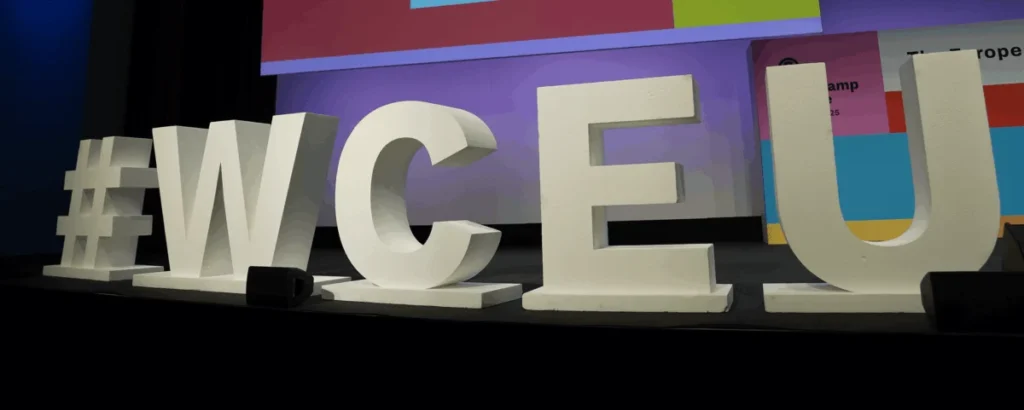
The global WordPress community is set to converge on Kraków, Poland, from June 4–6, 2026, as the ICE Kraków Congress Centre hosts WordCamp Europe (WCEU) 2026. As one of the largest and most influential gatherings in the open-source software ecosystem, this year’s event promises to be a pivotal moment for developers, designers, content creators, and business leaders alike.
With a schedule spanning three intensive days—including the hallmark Contributor Day and two days of deep-dive conference programming—WCEU 2026 aims to dissect the current state of WordPress while simultaneously laying the groundwork for the next generation of web infrastructure.
Main Facts: A Global Hub for Innovation
WordCamp Europe 2026 is not merely a conference; it is a manifestation of the decentralized, collaborative spirit that drives the WordPress project. The event brings together a diverse tapestry of participants, ranging from individual freelancers and small business owners to representatives from global institutions.
The core mission of this year’s gathering is to provide a holistic view of the WordPress ecosystem. Attendees will engage with a wide array of topics, including technical infrastructure, artificial intelligence (AI), accessibility standards, content strategy, and sustainable business growth. By moving beyond simple tutorials, the program seeks to address how WordPress serves as both a publishing powerhouse and a scalable application framework. Whether one is a seasoned core contributor or a newcomer seeking to understand the platform’s potential, WCEU 2026 serves as the primary nexus for education, networking, and strategic alignment within the WordPress community.
Chronology of the Event
The event structure is meticulously designed to maximize community engagement and professional development:

- June 4: Contributor Day: The event kicks off with the community’s beating heart. Participants will break into various teams—ranging from Core and Design to Marketing, Polyglots, and Accessibility—to contribute directly to the improvement of the WordPress software and its surrounding ecosystem. This day is crucial for fostering collaboration and onboarding the next generation of contributors.
- June 5–6: Conference Days: The main conference program will feature a dual-track approach, allowing attendees to choose between technical deep dives, business strategy panels, and creative workshops. These days are punctuated by two major keynote addresses that bookend the conference, providing a narrative arc for the entire event.
- Ongoing Networking: Throughout the three-day period, the "hallway track"—the informal conversations happening between sessions—remains a vital component of the WCEU experience, facilitating global partnerships and lasting professional relationships.
Supporting Data: WordPress at Institutional Scale
One of the most anticipated highlights of WCEU 2026 is the focus on large-scale adoption. As WordPress continues to mature, its use by major global institutions has become a focal point of discussion.
Data from the conference organizers suggests a growing trend toward "Enterprise WordPress," where the CMS is no longer just for blogs but serves as the backbone for complex, high-traffic ecosystems. A prime example is the shift currently underway at CERN. In a featured keynote, Joachim Valdemar Yde and Francisco Borges Aurindo Barros will detail the migration of over 800 websites to a customized WordPress Service. This project serves as a case study in governance, infrastructure, and the capability of the platform to handle institutional-grade requirements.
This shift toward enterprise adoption is further bolstered by the technical sessions, which focus on API security, headless architectures, and the "Abilities API," signaling that WordPress is increasingly being positioned as a secure, high-performance middleware for modern web applications.
Official Keynotes and Visionary Perspectives
The keynote lineup for WCEU 2026 is designed to bridge the gap between practical application and future-looking innovation.
The Institutional Shift: CERN’s Migration
The opening keynote will offer a granular look at the complexities of moving a massive organization to an open-source CMS. By analyzing the challenges of managing 800+ sites, Yde and Barros will provide a roadmap for other large organizations. The implications here are significant: as WordPress proves its reliability at the level of a world-renowned scientific organization, its reputation in the enterprise sector is expected to grow, potentially opening doors for further adoption in government and academic spheres.

The Closing Vision: Matt Mullenweg
As has become tradition, the closing keynote will be delivered by WordPress co-founder Matt Mullenweg. This session is expected to synthesize the themes discussed throughout the week—AI integration, the evolution of the Gutenberg block editor, and the broader health of the open web. Mullenweg’s insights often serve as a compass for the project, and this year’s address is highly anticipated as the community navigates the intersection of generative AI and traditional publishing workflows.
Deep Dive: Critical Program Themes
The WCEU 2026 program is organized into thematic "tracks," ensuring that attendees can navigate the dense schedule effectively.
1. The Intersection of AI and Development
Artificial Intelligence is no longer an abstract concept but a functional tool within the WordPress ecosystem. Sessions such as "Agentic AI & WordPress: From Prompts to Tools & Systems" by Vito Peleg highlight the move toward autonomous workflows. The community is clearly shifting from "how can we use AI to write text" to "how can we use AI to automate complex site management and development tasks."
2. Search, Visibility, and the Future of SEO
With the rise of generative search engines, the way users find information is changing. The "Panel: The Future of SEO" is set to address the reality of "Generative Engine Optimization." The consensus among speakers is that content strategy must evolve to accommodate AI-driven answers while maintaining the human-centric quality that keeps audiences engaged.
3. Development and the "WordPress 7.0" Era
Technical sessions are focusing heavily on the longevity of code. The "Panel: Inside WordPress 7.0" will provide a retrospective and a look forward at the release process, while technical workshops on Full Site Editing (FSE) and headless API security demonstrate a commitment to making the platform’s architecture both flexible and robust.

4. Accessibility as a Foundation
Accessibility is being framed not as a checkbox, but as a core value. By treating accessibility as an integral part of design and development, the conference aims to lower the barrier to entry for users of all abilities, reinforcing the WordPress mission of "democratizing publishing."
Implications for the Future of the Web
The broader implications of WordCamp Europe 2026 reach far beyond the WordPress project itself. By focusing on sustainability—both in terms of business models and technical infrastructure—the conference is addressing the long-term viability of the open web.
As AI platforms threaten to silo information, the WordPress community is doubling down on "sovereign" publishing. Sessions regarding documentation, academic partnerships, and the "WP Credits Program" suggest that the community is actively building a safety net for knowledge. By empowering users to own their content and their platforms, WordPress is positioning itself as a bastion of the open web against the rising tide of walled-garden ecosystems.
Furthermore, the emphasis on professional growth—through sessions on product-market fit, ROI, and business positioning—suggests that the WordPress "economy" is maturing. It is no longer just a hobbyist’s tool; it is a vital engine for global commerce, education, and research.
Conclusion: Kraków Awaits
WordCamp Europe 2026 is poised to be an essential gathering. The blend of high-level strategic discussion and hands-on technical workshops ensures that every attendee, regardless of their background, will find value.

For those unable to attend in person, the commitment to live-streaming sessions ensures that the knowledge shared in Kraków remains accessible to the global community. As the WordPress project prepares for its next decade of growth, the discussions held this June in Poland will undoubtedly play a critical role in shaping the trajectory of the software and the people who build upon it.
The message from the organizers is clear: WordPress is evolving, the web is changing, and the community is ready to lead the way. Tickets for the event are currently available, and the full schedule can be explored on the official WCEU website. The stage is set at the ICE Kraków Congress Centre; the future of the web is being written in real-time.