The Future Unfolds: Apple’s Anticipated iPhone Ultra Set to Redefine the Foldable Market
As the smartphone industry enters the second half of the decade, the focus has shifted from incremental hardware upgrades to radical form-factor innovation. Apple, a company historically known for its "wait-and-see" approach to new technologies, appears finally ready to enter the foldable arena. Recent leaks surrounding a device colloquially referred to as the "iPhone Ultra" have reached a fever pitch, with fresh dummy units surfacing that provide the clearest look yet at Apple’s answer to the Samsung Galaxy Z Fold series.
Main Facts: A New Paradigm in Cupertino
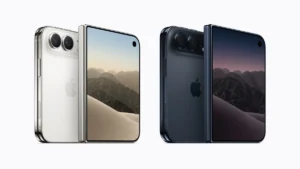
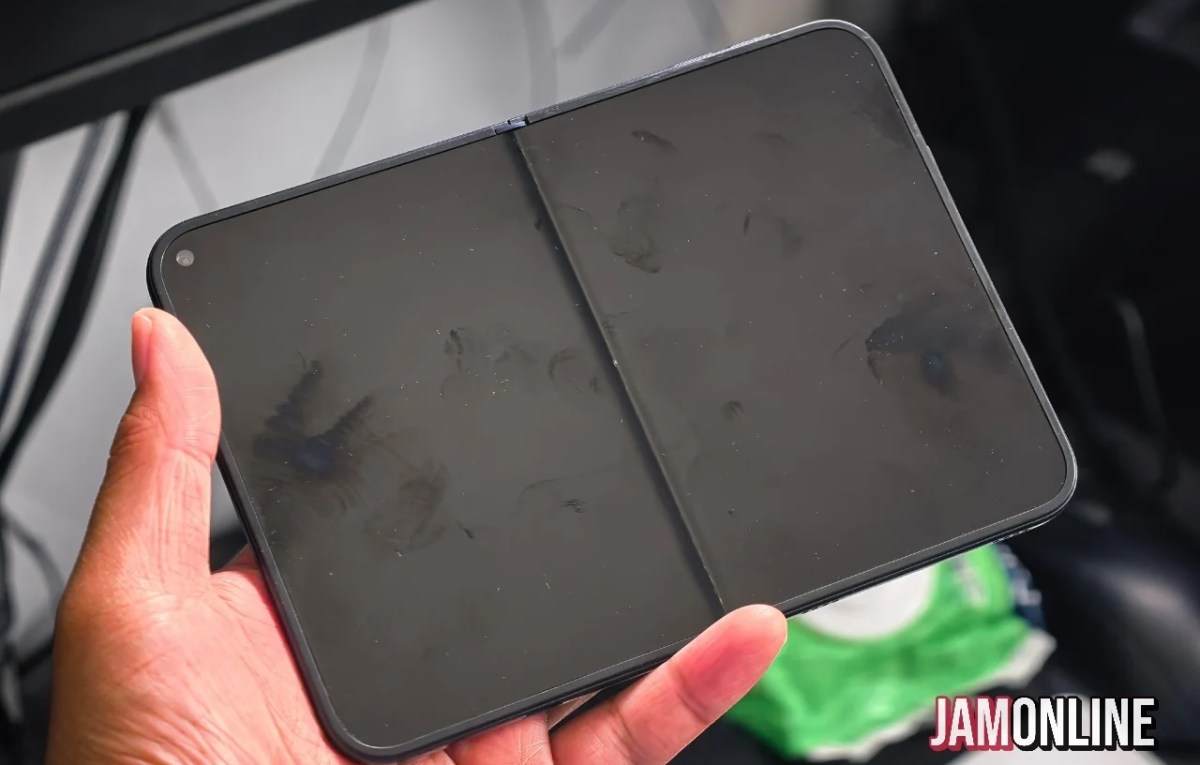
The latest visual evidence, originating from high-resolution dummy unit leaks, confirms that Apple is aiming for a wide-screen, "book-style" foldable design. Unlike the vertical flip-style devices that prioritize portability, the iPhone Ultra appears to be a productivity-first device, heavily drawing design cues from its flagship iPhone 18 Pro lineage while integrating the sprawling screen real estate of an iPad mini.
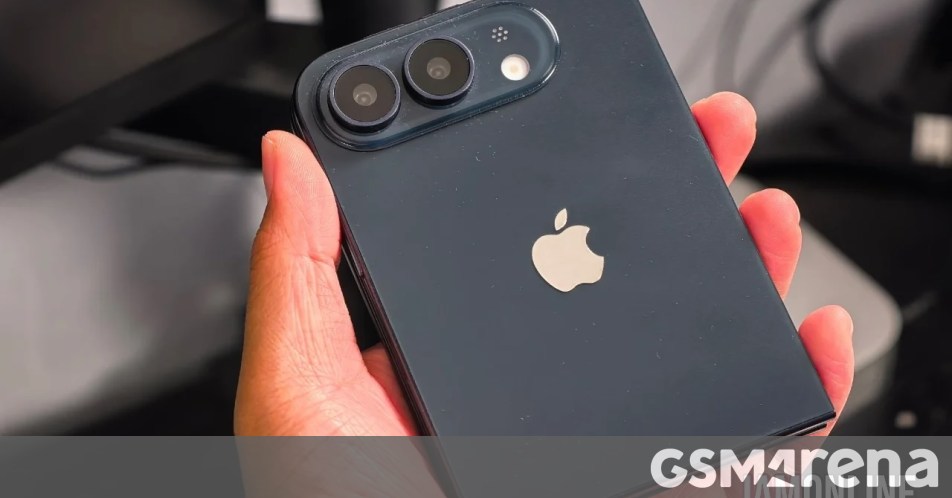
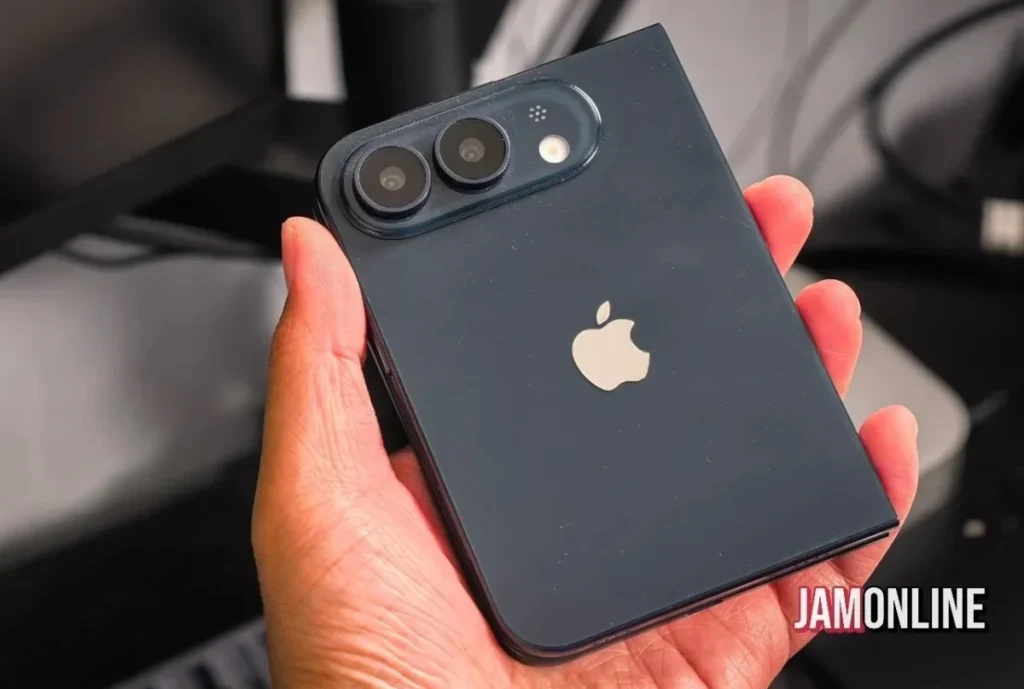
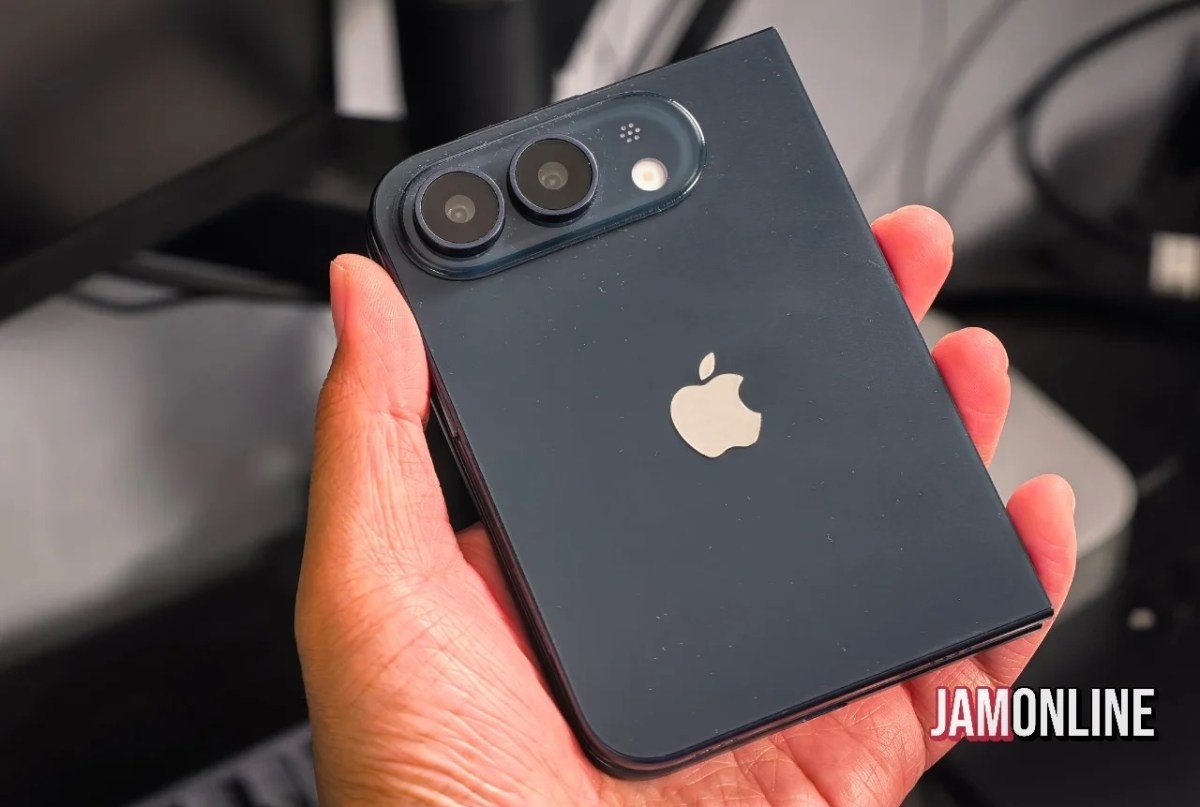
The device features a sleek black finish, suggesting that Apple will maintain its premium aesthetic language even when experimenting with complex hinges and flexible OLED substrates. Most notably, the leaked dummy unit showcases a remarkably thin profile. Reports indicate the device could measure an industry-leading 4.5mm when unfolded, placing it in direct competition with—or potentially surpassing—the Samsung Galaxy Z Fold7 in terms of engineering refinement.
The camera array, while simplified to a dual-lens system housed in a distinctive pill-shaped module, signals that Apple may be prioritizing thinness and internal space optimization over the triple-camera stacks found on the Pro Max models. However, with the expected inclusion of the A20 Pro chipset and 12GB of RAM, the performance profile of the Ultra is expected to be top-tier, ensuring that the software experience—specifically multitasking—remains fluid.
A Chronology of the Foldable Rumor Mill
The road to the iPhone Ultra has been long and fraught with speculation. For years, industry analysts and supply chain insiders have debated when Apple would officially move away from its traditional slab design.
- 2022–2023: The Research Phase: Early rumors focused on Apple experimenting with various hinge mechanisms and foldable screen durability. During this period, the company secured several patents for "self-healing" materials designed to minimize the crease in flexible displays.
- Early 2025: The First Glimpse: The first crude dummy units surfaced, confirming that Apple was testing the "fold-in" form factor. These early models lacked the refinement of current leaks but established the "book-style" footprint.
- Spring 2026: Design Finalization: As supply chain orders for flexible OLED panels from partners like Samsung Display and LG Display increased, reports began to solidify around a September launch window.
- June 2026: The Current Leak: The emergence of the black-finish dummy units, complete with a functional-looking "Camera Control" button, suggests that the design has reached the "EVT" (Engineering Validation Test) or "DVT" (Design Validation Test) phase.
- September 8, 2026 (Projected): The industry is braced for the official unveiling, which is expected to occur during the annual September hardware event alongside the iPhone 18 Pro and iPhone 18 Pro Max.
Supporting Data: Technical Specifications and Hardware Architecture
While the exterior is what catches the eye, the internal hardware of the iPhone Ultra represents a significant leap forward for the iOS ecosystem. Based on current data, the device is expected to feature a two-tiered display system:
Display Specifications
- Cover Display: A 5.49-inch panel, optimized for quick interactions, notifications, and single-handed use, featuring a centered hole-punch for the selfie camera.
- Inner Display: A 7.76-inch flexible OLED screen that provides a near-tablet experience. The inclusion of a hole-punch cutout in the upper-left corner suggests Apple is avoiding under-display cameras, likely to maintain maximum image quality for FaceTime and biometric security.
Internal Hardware
- Processor: The A20 Pro chipset, likely built on an advanced 2nm or refined 3nm process, will be the heart of the device. This is essential for managing the increased pixel density and the heavy multitasking demands of a foldable device.
- Memory: 12GB of RAM, a jump from previous iPhone generations, will allow for seamless split-screen applications and memory-intensive creative tasks.
- Design Details: The button placement is notably shifted to accommodate the folding mechanism. Volume rockers reside on the top edge, while the power button sits on the side, accompanied by a dedicated "Camera Control" button, reflecting Apple’s ongoing focus on mobile photography as a primary selling point.
Official Responses and Strategic Silence
True to form, Apple has maintained its traditional policy of "no comment" regarding unreleased products. The company has neither confirmed nor denied the existence of the iPhone Ultra. However, their strategic movements speak volumes. Apple’s recent patent filings regarding foldable display durability and the acquisition of several firms specializing in flexible micro-LED technology suggest a deep, long-term commitment to this form factor.
Industry observers note that Apple’s silence is a calculated maneuver to maintain the "hype cycle" while simultaneously protecting the sales of the current iPhone 18 Pro lineup. By waiting until the foldable technology is "perfected"—minimizing the crease, ensuring dust and water resistance, and optimizing battery life—Apple is positioning itself to disrupt the market rather than just compete within it.
Implications for the Smartphone Market
The introduction of the iPhone Ultra carries profound implications for the mobile industry:
1. Market Legitimacy
For years, foldables have been viewed as "enthusiast" devices. Apple’s entry into the space will effectively legitimize the category for the mass market. Much like the transition from buttons to touchscreens, an "Apple-certified" foldable will likely trigger a massive surge in consumer adoption.

2. The Productivity Shift
The integration of a 7.76-inch screen into a pocketable device will change how users interact with professional software. With iPad-like capabilities now available in a smartphone, developers will be pressured to optimize iOS apps for dual-pane layouts. This could effectively signal the end of the standalone small-tablet market.
3. Price and Accessibility
The iPhone Ultra is expected to command a significant price premium, likely pushing the limits of the $1,500–$2,000 bracket. This will force competitors like Samsung, Google, and Huawei to re-evaluate their own pricing strategies, potentially leading to a bifurcation of the market into "luxury foldables" and "mid-range slates."

4. The Engineering Race
The 4.5mm thickness mentioned in the recent leaks sets a new benchmark. If Apple achieves this, it will force a hardware "arms race" to reduce hinge bulk and battery density issues, likely leading to faster advancements in solid-state battery technology and flexible component manufacturing.
Conclusion: A Turning Point
The iPhone Ultra is not merely a new phone; it is a signal that the era of the "standard" rectangular smartphone is nearing its twilight. By marrying the design ethos of the iPhone Pro series with the versatility of a foldable, Apple is attempting to bridge the gap between communication and creation.

As September 8 approaches, the tech world will be watching to see if the reality of the iPhone Ultra can live up to the promise of these leaked dummy units. If the engineering holds true to the rumors, Apple may once again define the industry standard for the next decade, proving that in the world of mobile technology, the best way to innovate is to wait, refine, and then set the new benchmark.