The Great Consolidation: Oppo, OnePlus, and Realme’s Strategic Pivot Toward a Unified Future
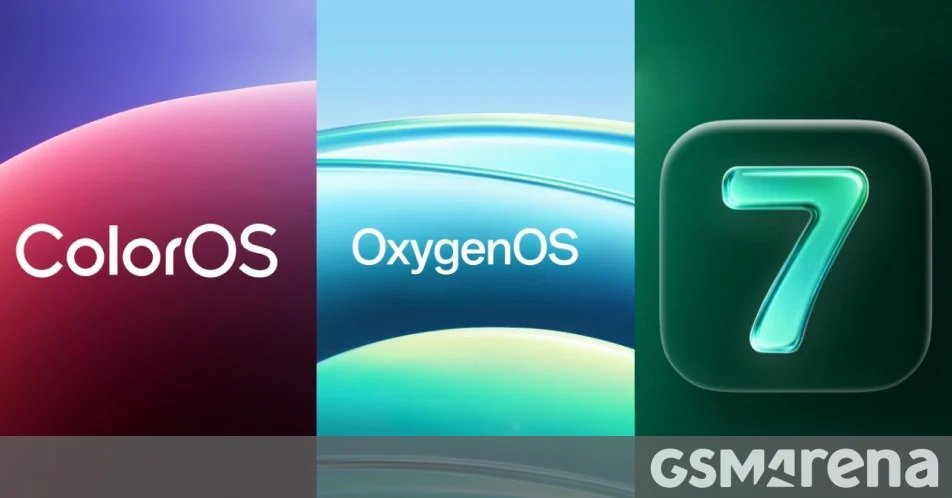
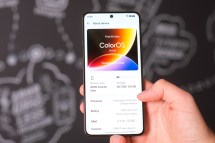
The landscape of the global smartphone industry is undergoing a seismic shift. In what appears to be the final chapter of a years-long restructuring process, reports suggest that the BBK Electronics-affiliated ecosystem—comprising Oppo, OnePlus, and Realme—is moving toward total software and operational synchronization. By merging their distinct operating systems into a single, unified ColorOS experience, the conglomerate aims to slash research and development (R&D) overheads and streamline a fragmented global strategy.
For the average consumer, this means the era of distinct software identities for these brands is rapidly drawing to a close. While OnePlus was once the champion of "stock-like" Android, and Realme carved a niche for budget-conscious performance, the future is increasingly monolithic.
The Chronology: From Independent Identities to One Ecosystem
The seeds of this consolidation were sown long before today’s headlines. To understand the current trajectory, one must look back at the evolutionary timeline of these brands.
2021: The Initial Merger Announcement
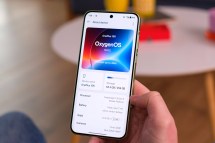
The shift began in earnest in 2021, when Pete Lau, the co-founder of OnePlus and a key executive within the broader Oppo ecosystem, confirmed that OxygenOS (OnePlus) and ColorOS (Oppo) would begin a formal merger. At the time, the narrative was one of "shared resources" to improve software stability and update frequency. However, industry analysts saw it for what it was: the beginning of the end for the independent software branch that had defined OnePlus since the release of the original OnePlus One in 2014.
2023–2024: The Global Retrenchment
Throughout the last 18 months, the consolidation has moved from software to hardware and physical retail. In markets like Germany, OnePlus began aggressively pushing its user base toward Oppo-branded devices, following a high-profile patent dispute. Meanwhile, in the United Kingdom and other European territories, reports of persistent "out of stock" statuses for flagship OnePlus devices suggested a quiet withdrawal.
2025 and Beyond: The "ColorOS Everywhere" Strategy
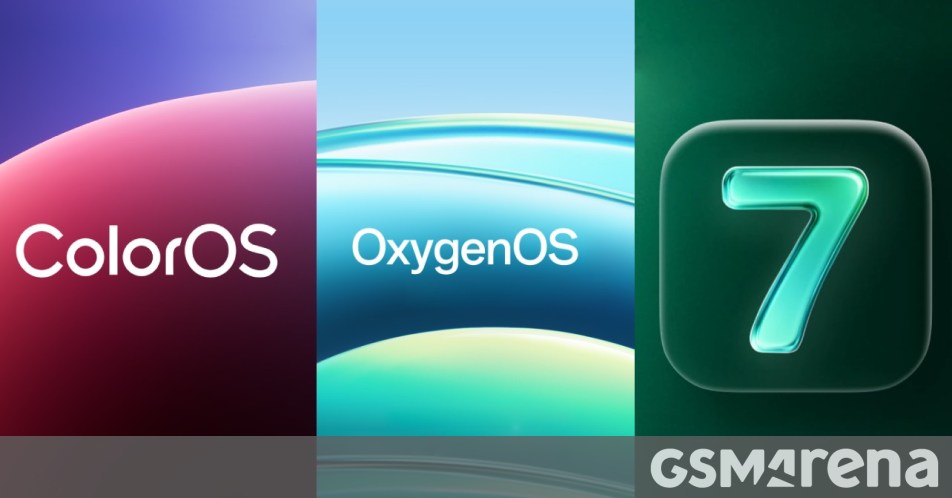
The latest intelligence suggests that the merger is entering its terminal phase. By folding Realme UI into the ColorOS fold, the parent organization aims to create a singular, scalable software platform. This consolidation is designed to allow the company to push updates to millions of devices simultaneously, theoretically improving efficiency while drastically reducing the cost of maintaining three separate software pipelines.
Supporting Data: Why Consolidation Is the Only Path Forward
The rationale behind this move is rooted in cold, hard economics. The smartphone market has reached a state of saturation, and the cost of keeping three distinct brands running separate R&D divisions is increasingly difficult to justify.
1. R&D Efficiency
Developing a mobile OS is an immensely expensive endeavor. By centralizing development on ColorOS, the company can consolidate its engineering teams. This allows for a "one-build-fits-many" approach, where camera algorithms, battery management tweaks, and security patches developed for a flagship Oppo Find X series can be instantly deployed to a mid-range Realme or a premium OnePlus handset.
2. Operational Overlap
In India, the world’s second-largest smartphone market, the consolidation is already in full swing. After-sales support for OnePlus is now largely handled by Oppo service centers. This infrastructure sharing reduces the need for expensive, redundant real estate and staffing, allowing the company to maintain a leaner footprint while serving a massive user base.
3. Market Saturation
The global smartphone market has seen consecutive quarters of stagnation. For brands like OnePlus and Realme, growth is no longer about capturing new users from scratch; it is about maximizing the "lifetime value" of existing users within the BBK ecosystem. If a user can transition from a Realme budget phone to a OnePlus mid-ranger and eventually to an Oppo flagship without ever leaving the "Oppo software ecosystem," brand loyalty becomes easier to maintain.
Implications: A Shifting Global Footprint
The restructuring is not just about software; it represents a fundamental shift in where these companies believe their future lies.
The Focus on India and China
The insider reports indicate that OnePlus is narrowing its focus significantly. Moving forward, the brand is expected to prioritize its presence in India and China—two markets where the brand has historically enjoyed high recognition and strong sales. By retreating from Western markets where competition is fierce and the barrier to entry is high, OnePlus can focus on defending its market share in regions where it is already a household name.
The Realme Strategy: Exporting the Budget Experience
Conversely, Realme is reportedly being positioned as the global "export" arm for the group, with a focus on markets outside of China. While OnePlus retreats to its core strongholds, Realme is expected to fill the vacuum, focusing on emerging markets in Southeast Asia, Latin America, and parts of Europe, providing affordable, high-spec hardware running the now-unified ColorOS interface.
The Uncertainty of the US Market
The position of the US market remains the biggest question mark. The US has long been a difficult territory for Chinese smartphone manufacturers, dominated by the Apple-Samsung duopoly with Motorola maintaining a distant third position.
OnePlus never managed to capture more than a 1% share of the US market, and with the brand’s current contraction, the likelihood of a major US push under the Oppo banner seems slim. If the company chooses to exit or remain dormant in the US, it would be an acknowledgment that the brand power of "OnePlus" or "Oppo" is insufficient to disrupt the established carrier-centric American market.
Official Responses and Industry Reception
To date, the parent conglomerate has maintained a policy of "controlled disclosure." While official press releases have not explicitly confirmed the death of the OxygenOS and Realme UI brands, the corporate language has shifted toward "synergy," "ecosystem," and "integration."
Industry analysts have been divided. Supporters of the merger argue that the move is essential for the company to survive in an era of tightening margins. "It is a logical conclusion to a multi-year project," says one industry consultant. "You cannot be a lean, efficient manufacturer if you are essentially building the same operating system three different ways."
Critics, however, mourn the loss of choice. The "golden era" of enthusiast-grade software, where users could choose between the clean, functional aesthetic of OxygenOS or the feature-rich complexity of ColorOS, is evaporating. For power users who gravitated toward OnePlus for its unique software identity, the transition to ColorOS is seen as the final dilution of the brand’s original ethos.
Conclusion: The End of an Era
The story of OnePlus, Oppo, and Realme is a microcosm of the broader smartphone industry’s maturation. As the technology becomes more commoditized, the "magic" of custom software skins is being replaced by the necessity of corporate efficiency.
While the merger will likely result in more stable, frequently updated, and feature-packed devices for the average consumer, it comes at the cost of the variety that once made the Android ecosystem so vibrant. As we look toward the end of 2025, the reality is clear: the three-headed dragon of the smartphone world is folding its wings, choosing to become one singular, dominant force rather than three distinct, competing entities.
Whether this strategy will lead to long-term dominance or the gradual erosion of the individual brand equity that made these companies successful in the first place remains to be seen. What is certain is that the landscape of mobile technology is becoming increasingly uniform, and for the enthusiast community, the "golden era" is officially in the rearview mirror.