The Great Value Exchange: AWS WAF Introduces Direct Monetization for AI Bot Traffic
In a landmark shift for the digital economy, Amazon Web Services (AWS) has unveiled a groundbreaking feature for its Web Application Firewall (WAF) that allows content owners and publishers to directly monetize AI bot traffic. This development addresses one of the most contentious issues in the current internet landscape: the massive consumption of high-value, copyrighted, or premium content by AI crawlers and agents that offer little to no reciprocal traffic to the original source. By enabling "per-request" pricing at the network edge, AWS is effectively creating a new marketplace for machine-to-machine commerce.
Main Facts: A New Economic Model for the Web
The core of this innovation is the integration of AI traffic monetization into the AWS WAF Bot Control suite. For years, publishers have faced an asymmetric challenge: AI crawlers—which have seen a meteoric growth rate of over 300% year-over-year—now account for more than 50% of web traffic for many providers. Unlike traditional search engine crawlers that drive traffic back to a website through search results, modern AI bots consume content to synthesize answers within proprietary interfaces. This "consumption without contribution" model places a heavy infrastructure burden on publishers, who foot the bill for server costs, bandwidth, and content creation, while the AI companies capture the value of that content without generating page views or ad revenue.
AWS WAF’s new capability flips the script. Content owners can now define granular access policies based on the type of bot, the content path, or the verification tier. Crucially, this requires no modifications to the origin infrastructure or complex application code. The system uses the x402 open protocol—a machine-to-machine payment standard—to trigger an HTTP 402 "Payment Required" response when an AI agent requests restricted content. If the agent wishes to proceed, it must provide a signed payment authorization, settling the transaction in stablecoins (such as USDC) directly to the publisher’s preferred digital wallet.
The Chronology of the "AI Content Crisis"
The necessity for this tool emerged from a multi-year trend of escalating bot traffic that reached a breaking point in 2025 and 2026.
- 2023–2024 (The Wild West Phase): AI models began scaling rapidly. Publishers initially utilized
robots.txtfiles to block scrapers, but enforcement was inconsistent, and many bots simply ignored these directives. - 2025 (The Infrastructure Strain): Data centers hosting high-traffic publishers reported significant overhead increases due to AI-specific crawlers like GPTBot and Perplexity-Bot. The industry began discussing "data licensing," but the legal and technical hurdles of negotiating individual agreements were prohibitively expensive for most organizations.
- June 2026 (The AWS Pivot): AWS announced its AI Traffic Monetization capability. By leveraging the existing WAF infrastructure, AWS bypassed the need for publishers to build custom payment gateways. Instead, they utilized the Coinbase x402 Facilitator to handle the complexity of on-chain settlements, turning a technical "blocking" problem into a revenue-generating opportunity.
Supporting Data: The Scale of the Bot Economy
The data driving this shift is stark. According to AWS internal metrics, AI-specific crawlers have become the dominant source of non-human traffic. In many cases, publishers see their bandwidth costs spike during AI training cycles, yet they receive zero compensation for the intellectual property being extracted.
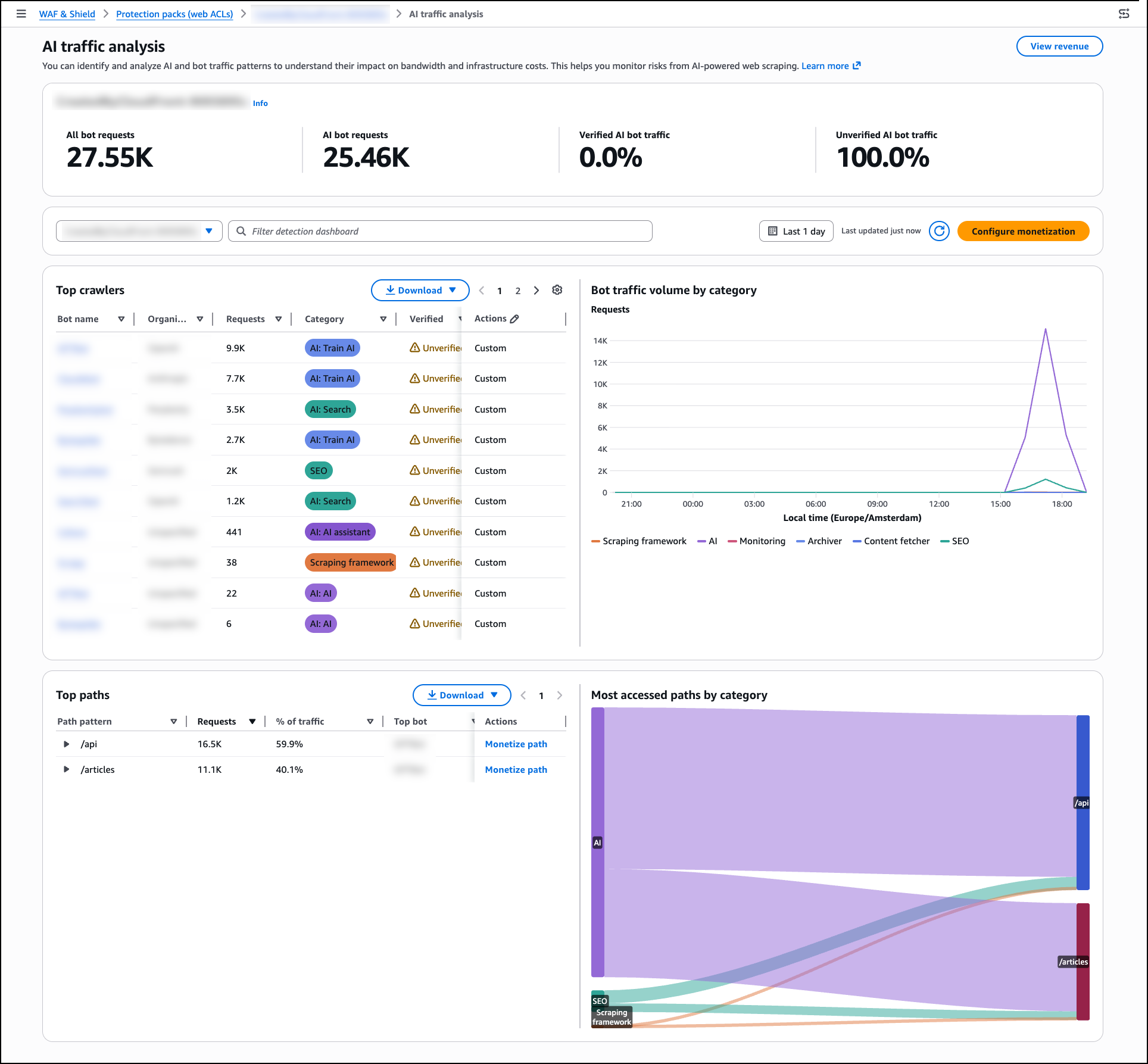
The AWS WAF dashboard now provides a detailed breakdown of this traffic, categorizing it into four distinct buckets:

- All bot requests: The total volume of automated traffic.
- AI bot requests: Specifically identifying agents like Claude-Web or GPTBot.
- Verified AI bot traffic: Bots that have successfully negotiated or adhered to the publisher’s terms.
- Unverified AI bot traffic: The "rogue" crawlers that require immediate policy enforcement.
By utilizing a per-path heatmap, publishers can identify exactly which parts of their digital library are being targeted most aggressively. For example, a news site might find that its premium archives are being scraped at a rate of 10,000 requests per hour, allowing them to place a high-value "monetization wall" specifically on those data-rich paths.
Official Responses and Technical Integration
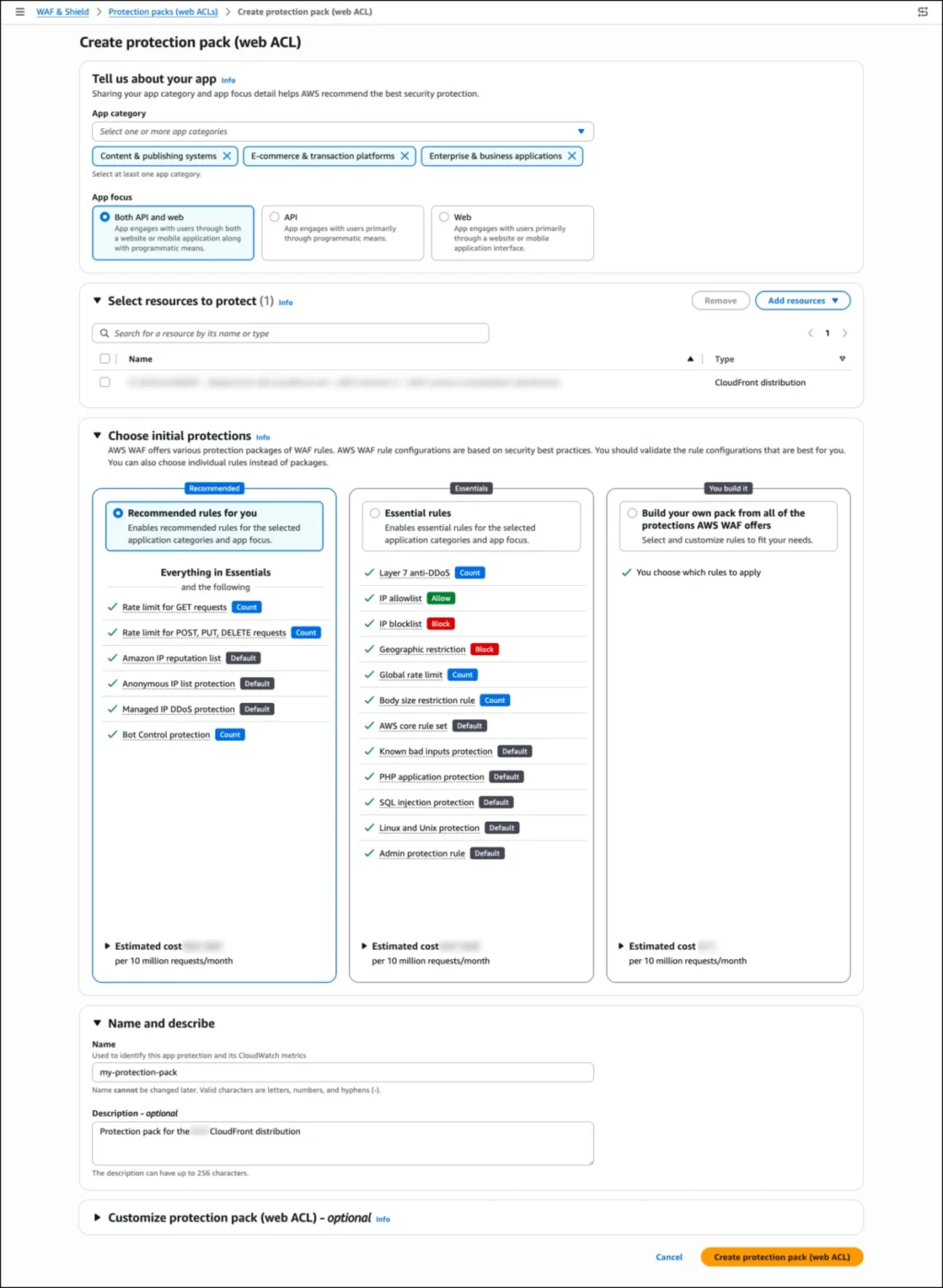
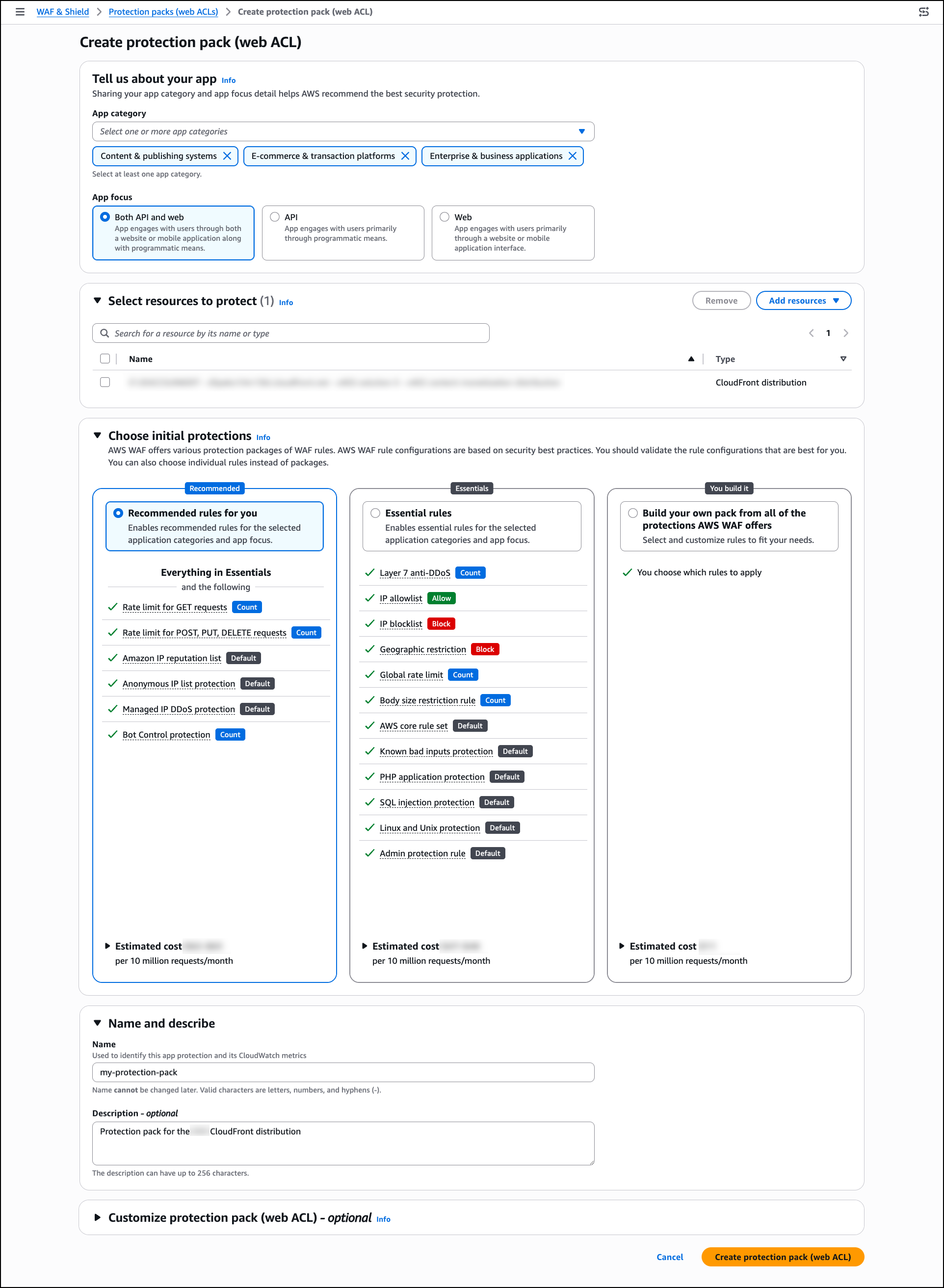
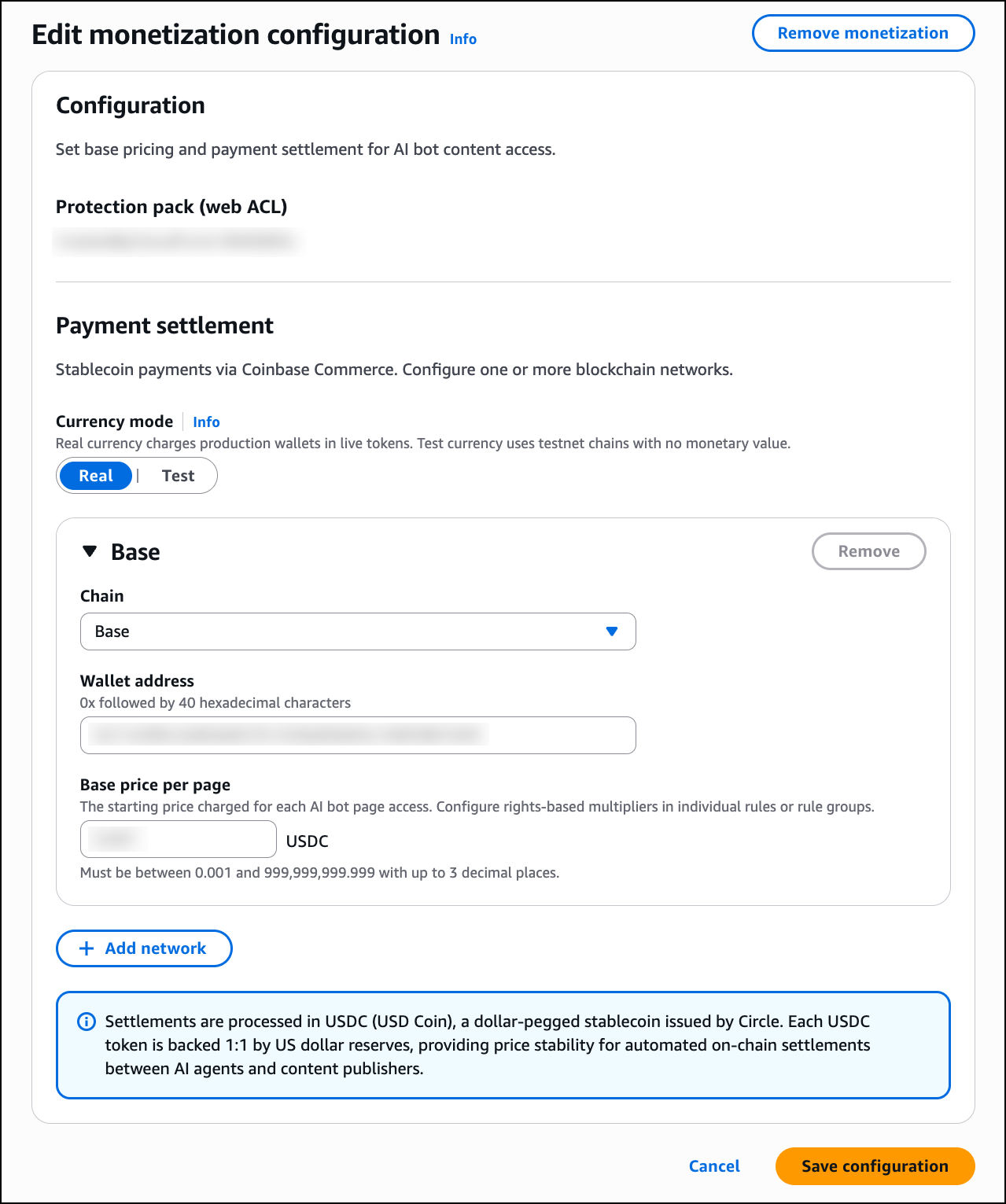
The technical implementation is designed for ease of use, according to the AWS documentation. By leveraging "Protection Packs," administrators can configure their security posture in minutes. The integration with the x402 protocol is particularly notable. When a request hits the WAF, the server returns a JSON-based price manifest. This manifest informs the AI agent of the price, the accepted blockchain networks (such as Base or Solana), and the destination wallet address.
"We are providing the plumbing for a new internet economy," says the AWS development team behind the release. By abstracting the payment layer, AWS ensures that publishers do not need to become fintech companies to collect revenue. Furthermore, the inclusion of a "Test Mode" (using testnets like Base Sepolia) allows organizations to safely validate their pricing models and payment flows before committing to real-world transactions.
Future updates, according to the official release, will include deeper integrations with Stripe for fiat-based payments and broader support for the Machine Payments Protocol (MPP), which will likely streamline the payment process even further for large-scale AI developers who wish to automate their procurement of training data.
Implications: A Fundamental Shift in Content Ownership
The introduction of this tool has profound implications for the future of the internet.
1. The End of "Free" Scraping
For over two decades, the assumption was that if a webpage was public, it was fair game for indexing. This new capability formalizes the distinction between "publicly viewable by humans" and "publicly available for AI training." Publishers can now effectively gate their content behind a micro-payment wall, forcing AI companies to decide whether the data is worth the cost.
2. Democratization of Data Rights
Previously, only the largest media conglomerates had the legal teams and technical resources to sue AI companies or negotiate multi-million dollar data licensing deals. AWS WAF’s democratized approach allows a small niche blog or a medium-sized e-commerce site to capture the same value per request as a major news outlet. It effectively shifts the power balance back toward the creators of content.
3. The Rise of "Machine-to-Machine" (M2M) Commerce
This is perhaps the most significant long-term implication. We are witnessing the birth of a genuine M2M economy. By utilizing blockchain and stablecoins, AWS is bypassing traditional banking delays, enabling near-instant, global settlements. This could eventually lead to a "per-token" or "per-pixel" pricing model for all digital information, where every piece of data on the web carries a price tag, and automated agents negotiate access in milliseconds.
4. Regulatory and Ethical Challenges
While this solution is technically robust, it will likely invite intense scrutiny from AI developers and regulators. Some may argue that this creates a "pay-to-play" internet that favors those with the deepest pockets. Others might argue that it is the only way to save the publishing industry from total obsolescence in an AI-dominated world. As publishers begin to implement these tolls, the debate over "fair use" versus "commercial licensing" will move from the courtroom into the code of the web itself.
Conclusion: A New Era for Digital Assets
The move by AWS to integrate AI traffic monetization into WAF marks a point of no return for the internet. By treating AI agents as commercial customers rather than mere traffic sources, the industry is acknowledging that content is the fuel for the AI engine, and that fuel is no longer free. As more publishers adopt these protection packs, we can expect to see a more sustainable, if more complex, ecosystem where data value is clearly defined and fairly compensated.
For the average content owner, the directive is clear: it is time to audit your traffic, understand your value, and decide whether your content will remain a public utility or become a paid resource in the growing AI marketplace.