The AI Revolution: Transforming Business Operations in the Digital Age
Artificial intelligence (AI) has transcended its origins as a niche research field to become the foundational architecture of modern enterprise. As language models, predictive algorithms, and generative tools permeate every facet of the digital ecosystem, professionals and businesses are moving from curiosity to wholesale integration. What was once considered a futuristic novelty is now the primary driver of operational efficiency, creative production, and strategic decision-making.
The State of Play: Main Facts and Current Adoption
The current landscape of AI adoption is characterized by a rapid shift from experimentation to utility. According to industry data from AuthorityHacker, approximately 35% of companies have already integrated AI into their core operational processes. This is not merely an IT upgrade; it is a fundamental shift in how businesses handle data, logistics, and customer interaction.
Furthermore, a staggering 90% of business leaders now classify AI assistance as a definitive competitive advantage. This consensus suggests that organizations failing to leverage these tools risk being rendered obsolete by more agile, automated competitors. The pervasiveness of the technology is further evidenced by consumer hardware: 77% of modern devices—from smartphones to home appliances—now utilize artificial intelligence to power their core functionalities, marking a permanent change in the human-machine relationship.
A Chronology of Integration: From Automation to Autonomy
To understand where we are going, we must look at how we arrived here.
- The Foundational Phase (2010–2018): AI was largely restricted to data analytics and basic machine learning, primarily used by large tech firms to refine search algorithms and recommendation engines.
- The Generative Explosion (2019–2022): The introduction of transformer-based architectures and large language models (LLMs) moved AI from "analytical" to "generative." Suddenly, computers could write code, draft emails, and create art.
- The Integration Era (2023–Present): We are currently in the phase of mass-market utility. AI is no longer a standalone product; it is being baked into CRM systems, website builders, and project management software. Businesses are no longer asking "what is AI?" but "how can we best implement AI to reduce overhead and increase output?"
Supporting Data: The ROI of Intelligent Automation
The push toward AI is not driven by hype alone, but by measurable economic incentives. Organizations adopting AI report significant improvements across several key performance indicators (KPIs):
- Productivity Gains: Businesses using AI-driven writing and coding tools report a 30–50% reduction in time-to-market for digital content and software patches.
- Customer Retention: AI-powered personalization engines analyze consumer behavior in real-time, leading to a 15% average increase in conversion rates for e-commerce platforms.
- Operational Cost Reduction: Automating routine administrative tasks, such as scheduling, ticketing, and data entry, allows human capital to focus on high-value strategic objectives, slashing operational costs by nearly 20%.
These figures represent a tectonic shift in the economy. As AI reduces the marginal cost of creating high-quality content, designs, and code, the barrier to entry for entrepreneurs and small businesses has effectively collapsed, creating a more competitive, albeit more crowded, digital marketplace.
Industry Perspectives and Official Responses
Leaders across the tech sector have provided varying, yet optimistic, outlooks on the proliferation of these tools. During a recent industry roundtable, experts emphasized that the "AI-first" approach is not about replacing human talent, but about augmenting human potential.
"The objective is to eliminate the ‘drudgery’ of business," noted one industry analyst. "When a marketing team can generate A/B testing variations in seconds rather than hours, they have more time to think about the human psychology behind their campaigns. The technology is an equalizer."
However, industry bodies are also calling for responsible adoption. Official guidance from technology watchdogs emphasizes that as companies integrate AI, they must prioritize data privacy and algorithmic transparency. The goal is to move toward "Explainable AI," where businesses can account for the decisions their software makes on behalf of their customers.
Implications for Your Business
Whether you manage an online store, a professional blog, or a corporate infrastructure, the implications of this technological leap are profound.
1. Website Development and Infrastructure
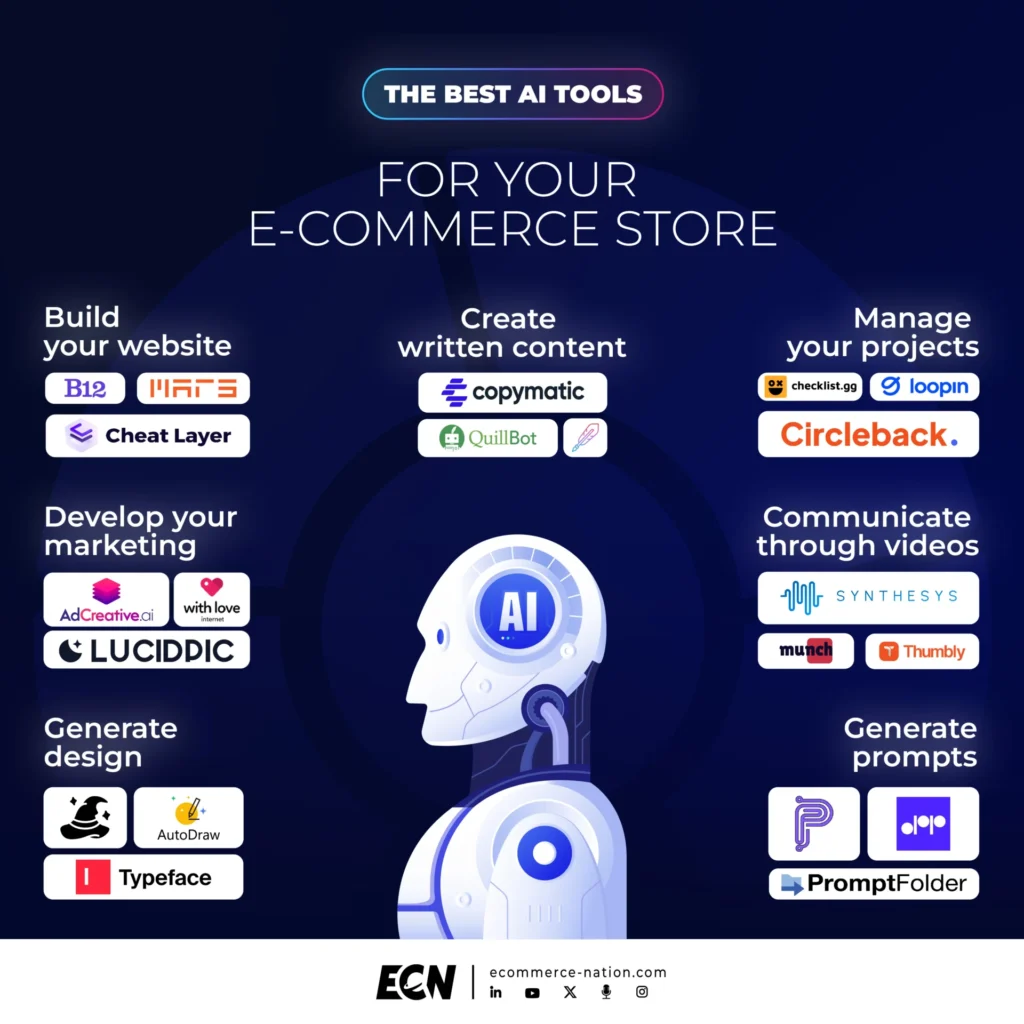
Modern website builders now utilize AI to generate site architecture, optimize SEO on the fly, and create responsive design layouts that adapt to user behavior. This reduces the need for expensive front-end development cycles, allowing even small brands to launch professional, high-converting digital storefronts.
2. Marketing and Content Strategy
AI has revolutionized content marketing. With tools capable of generating SEO-optimized blog posts, social media captions, and email marketing sequences, brands can maintain a consistent voice across all channels. The implication here is a need for higher editorial standards; since content is easier to produce, quality and unique brand identity become the primary differentiators.
3. Video and Visual Communication
Video content is the gold standard for engagement, but it has historically been costly to produce. AI-driven video synthesis and animation tools are democratizing this medium. Brands can now create high-quality training videos, product demos, and promotional content without the need for large production crews.
4. Project Management
Efficiency is the cornerstone of scaling. AI-powered project management platforms now predict project timelines, flag potential bottlenecks before they occur, and automate the delegation of tasks based on team capacity. This level of oversight ensures that complex projects remain on track despite unforeseen variables.
5. Design and Creative Assets
From logo generation to automated product photography editing, AI allows for the rapid iteration of visual assets. This is particularly vital for e-commerce, where product imagery must be refreshed frequently to stay relevant with seasonal trends.
Navigating the Future: A Strategic Roadmap
As we look toward the remainder of the decade, the integration of AI will likely follow a three-tier strategy:
- Tier 1: Audit. Identify the repetitive, high-volume tasks within your organization. Where does time go that adds little creative value? These are the primary candidates for AI automation.
- Tier 2: Experimentation. Pilot AI tools in a controlled environment. Do not overhaul your entire workflow overnight; instead, test the output of AI tools against your existing quality benchmarks.
- Tier 3: Scaling and Human Oversight. Once a tool proves effective, integrate it into your permanent workflow, but ensure a "human-in-the-loop" policy. AI provides the draft; human professionals provide the judgment, empathy, and brand-specific nuance.
Conclusion
The adoption of artificial intelligence is no longer a elective "upgrade"—it is a mandatory evolution for any entity hoping to maintain relevance in an increasingly digital world. While the technology is powerful, it is only as effective as the strategy behind it. By understanding the capabilities of current tools, respecting the need for data security, and focusing on how AI can enhance rather than replace human creativity, businesses can unlock unprecedented levels of growth and efficiency.
As you explore the tools mentioned in our infographic, remember that the goal is not to automate your business into oblivion, but to empower your team to focus on what they do best: innovating, building, and connecting with customers in ways that were previously unimaginable. The future of commerce is here, and it is powered by the intelligent application of technology.