The Holistic Marketing Revolution: Aligning Enterprise Strategy, Brand Consistency, and Affiliate Ecosystems for Sustainable Growth

In today’s hyper-competitive and digitally fragmented marketplace, traditional siloed marketing is no longer enough to secure a competitive edge. Modern enterprises face a landscape where consumer attention is scarce, customer acquisition costs are rising, and brand loyalty is difficult to secure. To break through the noise, forward-thinking organizations are increasingly adopting holistic marketing—a comprehensive strategy that aligns every department, campaign, and communication channel to deliver a unified, consistent brand message.
Far from being a passing corporate trend, holistic marketing has evolved into an operational necessity. By breaking down internal walls and synchronizing sales, customer service, operations, and external affiliate networks, businesses can craft a seamless buyer journey that drives sustainable, long-term growth.
Main Facts: Deconstructing the Holistic Marketing Framework
At its core, holistic marketing moves away from the compartmentalized management of individual channels—such as running social media campaigns independently of public relations or affiliate programs. Instead, it recognizes that every single touchpoint a consumer has with a brand shapes their perception.
The strategy is built upon three primary internal dimensions:
- Internal Marketing: Ensuring employees, executives, and service providers deeply understand, believe in, and embody the company’s vision, values, and offerings. Internal alignment directly translates into authentic external interactions.
- Relationship Marketing: Cultivating long-term, mutually beneficial relationships not only with end consumers—turning them into brand advocates—but also with vital business partners, suppliers, and affiliate marketers.
- Societal Marketing: Integrating social responsibility, ethical practices, and community support into the core business model to build public trust and corporate reputation.
When combined with key operational components—including a customer-centric approach, an integrated marketing mix, data-driven decision-making, and strict brand consistency—holistic marketing transforms an organization from a collection of disconnected departments into a unified, high-performing revenue machine.
Chronology: The Evolution from Siloed Channels to Unified Ecosystems
The journey toward holistic marketing mirrors the maturation of the digital economy over the past two decades:
- Early 2000s (The Siloed Era): Marketing departments operated in strict isolation. Digital marketing, public relations, traditional advertising, and affiliate management each used independent messaging, distinct creative assets, and separate performance metrics. This often resulted in conflicting brand perceptions for consumers.
- 2010s (The Rise of Omnichannel Integration): As mobile commerce and social media exploded, companies realized that consumers expected a seamless transition between online and offline channels. Brands began consolidating their messaging, recognizing that disjointed user experiences directly harmed conversion rates.
- 2020s to Present (The Holistic & Ecosystem Era): In the current landscape, marketing has expanded beyond the corporate walls. Modern affiliate networks, performance partners, and brand advocates demand complete transparency and alignment. Enterprises now utilize advanced data analytics, artificial intelligence, and centralized brand guidelines to ensure that internal culture, societal impact, and external promotions operate in absolute harmony.
Supporting Data & Industry Implications
The implementation of a holistic marketing strategy yields measurable operational and financial benefits across key business metrics:

- Eliminating Redundancies: By integrating marketing functions across departments, companies optimize resource allocation and reduce wasted ad spend.
- Enhanced Conversion and Retention: A seamless customer journey—where advertisements, website copy, and customer service align with consumer expectations—directly drives higher conversion rates and improves customer lifetime value (LTV).
- Affiliate Program Acceleration: High-performing affiliates conduct thorough evaluations of brands before promoting them. They look for consistent messaging, strong customer retention, and reliable conversion metrics. Enterprises that embrace holistic marketing naturally attract top-tier affiliates, transforming affiliate programs from minor marketing channels into primary profit centers.
Case Study: Holistic Marketing in Action at Apple
Few global corporations exemplify holistic marketing as effectively as Apple Inc. The tech giant is renowned for its meticulously coordinated brand ecosystem, where product design, advertising, retail environments, and customer service speak with a single, authoritative voice.
Apple embeds its core corporate values—Accessibility, Education, Environment, Inclusion & Diversity, Privacy, Racial Equity & Justice, and Supplier Responsibility—across both its external marketing campaigns and internal hiring and corporate culture (as highlighted on its official Careers portal).
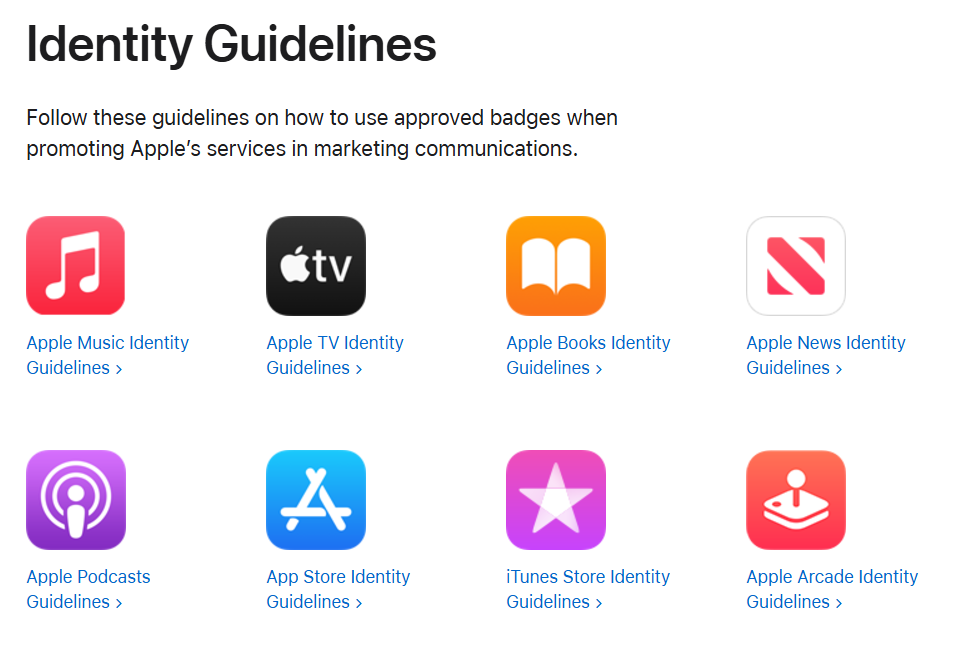
Furthermore, Apple extends this philosophy to its partner networks, such as the Apple Services Performance Partners Program. This initiative provides precise guidelines and educational resources to affiliates, ensuring that external promotional material matches the brand’s strict identity standards. By pairing rigorous internal alignment with proactive societal marketing—such as transparent environmental protection plans and charitable donation features integrated directly into its checkout systems—Apple maintains unmatched brand loyalty and industry leadership.
Implementation Guide: Building a Holistic Strategy
For businesses looking to transition from traditional silos to a holistic framework, industry experts recommend a structured, step-by-step approach:
1. Define SMART Goals
Every holistic strategy begins with clear objectives. Whether aiming to boost customer retention, increase sales, or elevate brand equity, goals must be Specific, Measurable, Attainable, Relevant, and Time-bound. This ensures that all departments—including affiliate program managers—pull in the same direction.
2. Conduct Deep Audience Research
A customer-centric framework requires thorough market research. By analyzing audience demographics, behaviors, and preferences, businesses can tailor their campaigns. Crucially, these detailed audience profiles should be shared with affiliate partners to help them target qualified traffic more effectively.
3. Synchronize Internal Teams and External Channels
Break down departmental barriers. PR, sales, customer support, website management, and affiliate teams must be kept informed of ongoing initiatives. When every department contributes to a unified campaign, target audiences encounter consistent messaging at every turn, reducing friction and building trust.
4. Leverage Data-Driven Analytics
Modern holistic marketing relies heavily on analytics. By continuously tracking consumer behavior, campaign performance, and feedback, organizations can optimize resource allocation and refine their messaging in real-time.
Future Implications: The Road Ahead for Enterprise Growth
As the digital marketplace continues to evolve, the future of holistic marketing will be defined by agility, technological innovation, and societal responsibility.
Embracing Advanced Technologies
Emerging tools powered by artificial intelligence and machine learning are revolutionizing hyper-personalization. Enterprises must leverage these technologies to tailor customer journeys while ensuring that brand consistency is preserved. Furthermore, businesses must anticipate the operational needs of their affiliate partners by providing them with streamlined creative assets and technological support.
The Centrality of Sustainability
Modern consumers, business partners, and affiliates increasingly gravitate toward brands that demonstrate authentic social responsibility. Integrating societal and environmental sustainability into the core marketing framework is no longer optional; it is a primary driver of long-term brand equity and consumer trust.
The Power of Teamwork and Communication
Ultimately, the success of holistic marketing boils down to communication and teamwork. Just as a patient visiting multiple medical specialists requires a unified treatment plan to achieve optimal health, an enterprise requires cross-departmental coordination to ensure its marketing channels—from social media and PPC ads to affiliate networks and customer service pop-ups—work together harmoniously.
Holistic marketing is much more than a transient business strategy. For companies navigating an intensely competitive marketplace, it represents the essential path toward sustainable growth, brand resilience, and long-term market leadership.