The LinkedIn Pivot: Decoding the Unified AI Brain and the New Era of Interest-Based Distribution
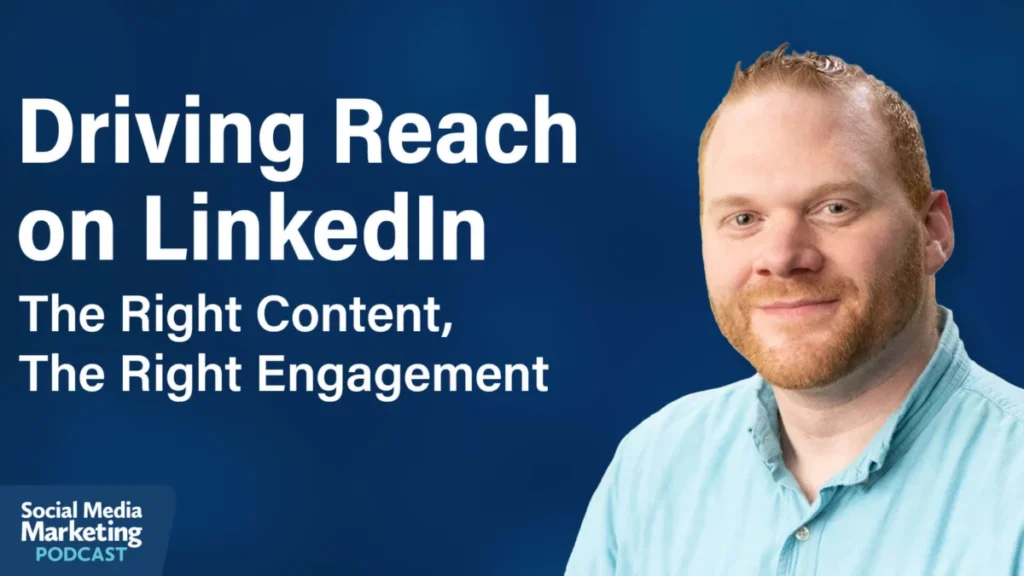
In the rapidly shifting landscape of professional social networking, LinkedIn has quietly executed one of the most significant architectural overhauls in its twenty-year history. For years, creators and digital marketers have relied on a "social graph" model—a system where reach was primarily dictated by the size of one’s immediate network and the frequency of direct connections. However, that era has officially ended.
LinkedIn has replaced its legacy infrastructure with a unified, AI-powered "brain" designed to prioritize content relevance over connection proximity. This transition marks a fundamental shift toward an "interest graph," mirroring the algorithmic successes of platforms like TikTok and YouTube. For professionals and B2B marketers, the implications are profound: visibility is no longer a guaranteed byproduct of a large follower count, but rather a reward for topical authority and specific engagement triggers.
Main Facts: The Architecture of the New Feed
The cornerstone of this transformation is the consolidation of five disparate algorithmic systems into a single, cohesive artificial intelligence model. Previously, LinkedIn’s feed was managed by a "patchwork" of systems that often operated in silos, leading to inconsistent content distribution and a heavy reliance on keyword matching.
The new unified system utilizes semantic understanding, moving beyond simple keywords to interpret the intent and context of a post. For example, the algorithm now understands that a post discussing "reducing churn" is intrinsically linked to "customer retention" and "SaaS growth strategies," even if those specific terms are absent. This allows LinkedIn to surface content to users based on their "professional journey"—a proprietary metric that tracks a user’s evolving interests, career stage, and content consumption habits over time.
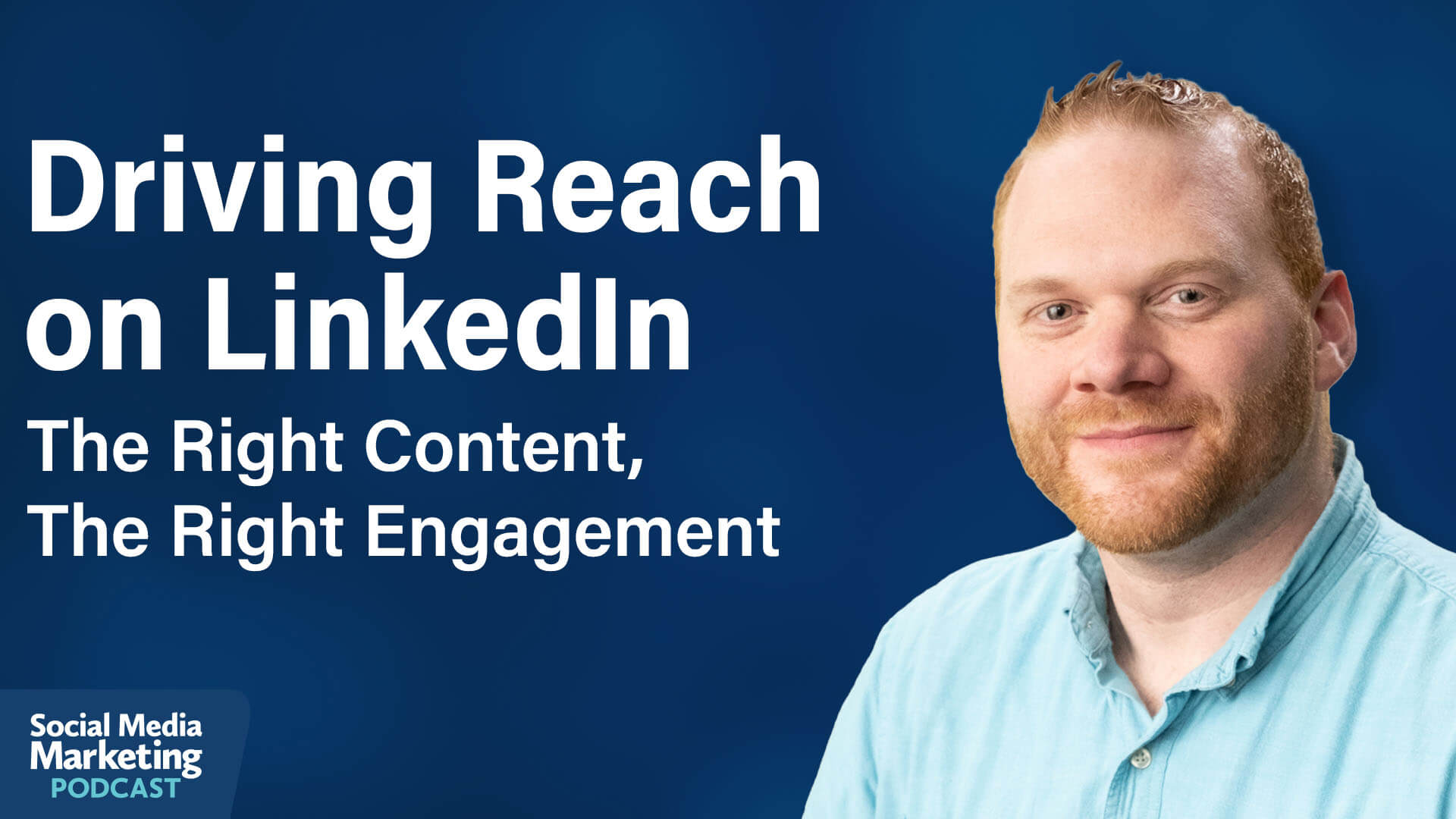
Key takeaways from the new algorithm include:
- The Death of the Generalist: The algorithm now rewards specialists who post consistently on a single, defined topic.
- Invisible Signals: Reach is increasingly driven by "invisible" interactions—such as carousel swipes and clicking the "…more" button—rather than visible "likes."
- The Interest Graph: LinkedIn now prioritizes showing users what they care about, regardless of whether they follow the author.
Chronology: From Social Connections to Topic Authority
The evolution of the LinkedIn feed has moved through three distinct phases, culminating in the current AI-driven model.
Phase 1: The Social Graph (2003–2018)
In LinkedIn’s early years, the feed was a chronological or semi-chronological stream of updates from direct connections. If you were connected to a colleague, you saw their updates. The goal was networking and "staying in touch."
Phase 2: The Engagement Boost (2019–2023)
As the platform grew, LinkedIn introduced "viral" mechanics. A "like" from a connection could push a post into the feeds of their entire network. This led to the rise of "broetry" (short, punchy, often vapid storytelling) and engagement pods, as users gamed the system to maximize visible vanity metrics.

Phase 3: The Unified AI Brain (2024–Present)
Realizing that the feed was becoming cluttered with irrelevant content, LinkedIn’s engineering team rebuilt the algorithm from scratch. The current phase utilizes Large Language Models (LLMs) to categorize every post by its "meaning." This shift was accelerated by the need to compete with the "For You" page models of rival platforms, ensuring that users spend more time on the platform by seeing high-value, professionally relevant content.
Supporting Data: The Rise of Invisible Engagement
A comprehensive analysis of over 600,000 LinkedIn posts from 63,000 accounts has shed light on the specific behaviors now driving the algorithm. The data reveals a startling trend: while visible interactions (likes and shares) are in a steady decline, overall engagement on the platform has actually risen by nearly 14%.
This discrepancy is explained by the rise of Invisible Signals. These are actions taken by a user that do not leave a public footprint but signal intense interest to the AI:
- The "…more" Click: When a user clicks to expand a post, it is a high-intent signal that the content is engaging. Posts that earn this click within the first 48 hours are significantly more likely to be pushed to a wider audience.
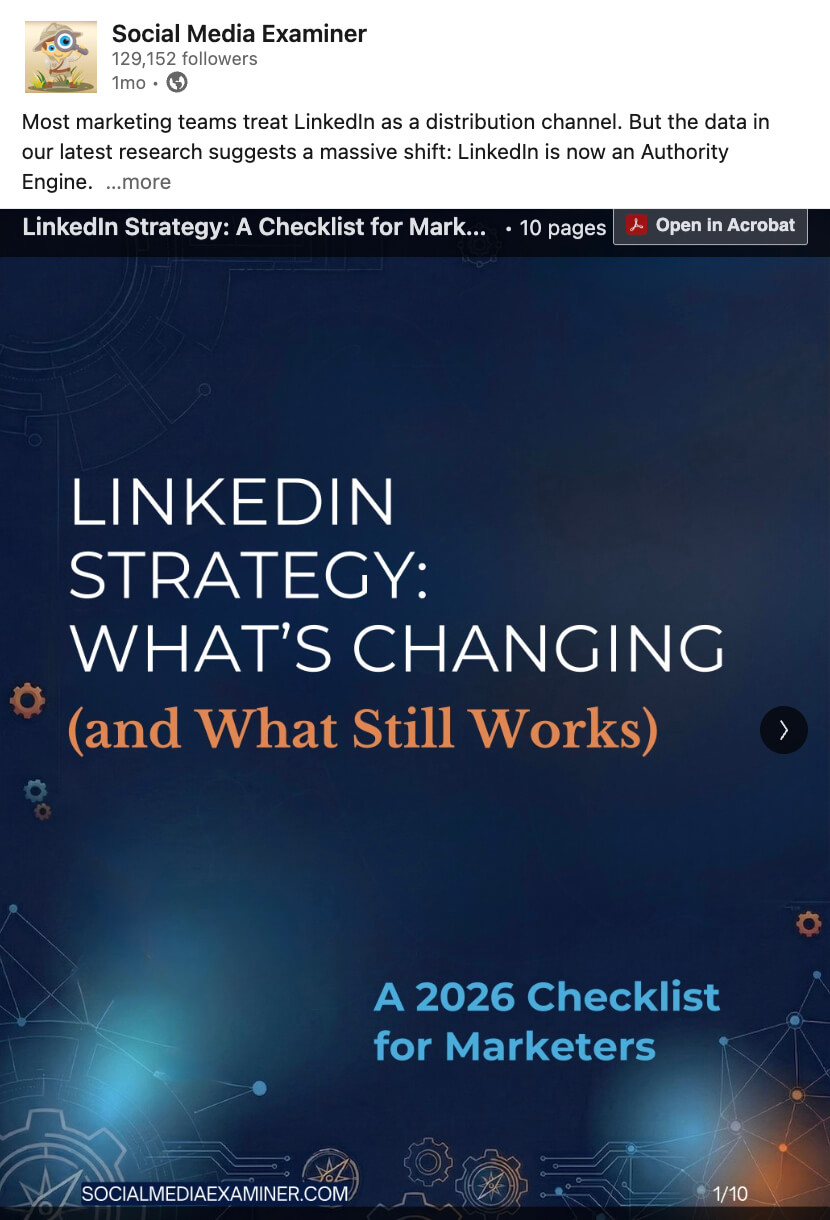
- Carousel Swipes and Document Dwells: Multi-page PDF documents and carousels are currently the highest-performing content format on the platform. Data shows they drive eleven times more interactions than single-image posts. Each swipe is recorded as an engagement signal.
- Dwell Time: The amount of time a user spends looking at a post—even if they don’t click anything—is now a weighted factor in the algorithm’s distribution logic.
Furthermore, the data suggests that the "First Hour" rule remains critical. Posts that receive substantive comments within the first 60 minutes of publication act as a catalyst, signaling to the "Unified Brain" that the content is worthy of a broader "interest-based" push beyond the author’s immediate followers.
Official Responses and Expert Insights: Strategies from AJ Wilcox
AJ Wilcox, a globally recognized LinkedIn Ads expert and founder of B2Linked, has closely monitored these algorithmic shifts. According to Wilcox, the most significant mistake marketers make is failing to adapt to the platform’s new demand for topical consistency.
The Specialist’s Advantage
"A series of related posts trains the algorithm to associate you—or your brand—with a specific topic," Wilcox explains. This creates a compounding effect. If the algorithm identifies you as an authority on "Supply Chain Logistics," your subsequent posts on that topic will be delivered to a pre-identified audience of interested professionals, even if they have never heard of you. Conversely, "Generalists" who post about unrelated topics (e.g., marketing one day, their pet the next, and politics the third) confuse the AI, preventing it from building a reliable distribution profile for the creator.
Fighting Content Fatigue
Wilcox acknowledges a common pain point: the fear of being repetitive. However, he argues that because the audience is constantly rotating, "stale" content is rarely an issue for the reader. He suggests a "Creative Challenge" approach:
- Vary the Angle, Not the Subject: Use AI tools to find new metaphors or perspectives on the same core expertise.
- User-Generated Queries: Wilcox recommends turning DM questions and comment-section inquiries into standalone posts. These are "pre-validated" topics that the audience has already expressed interest in.
The Depth of Conversation
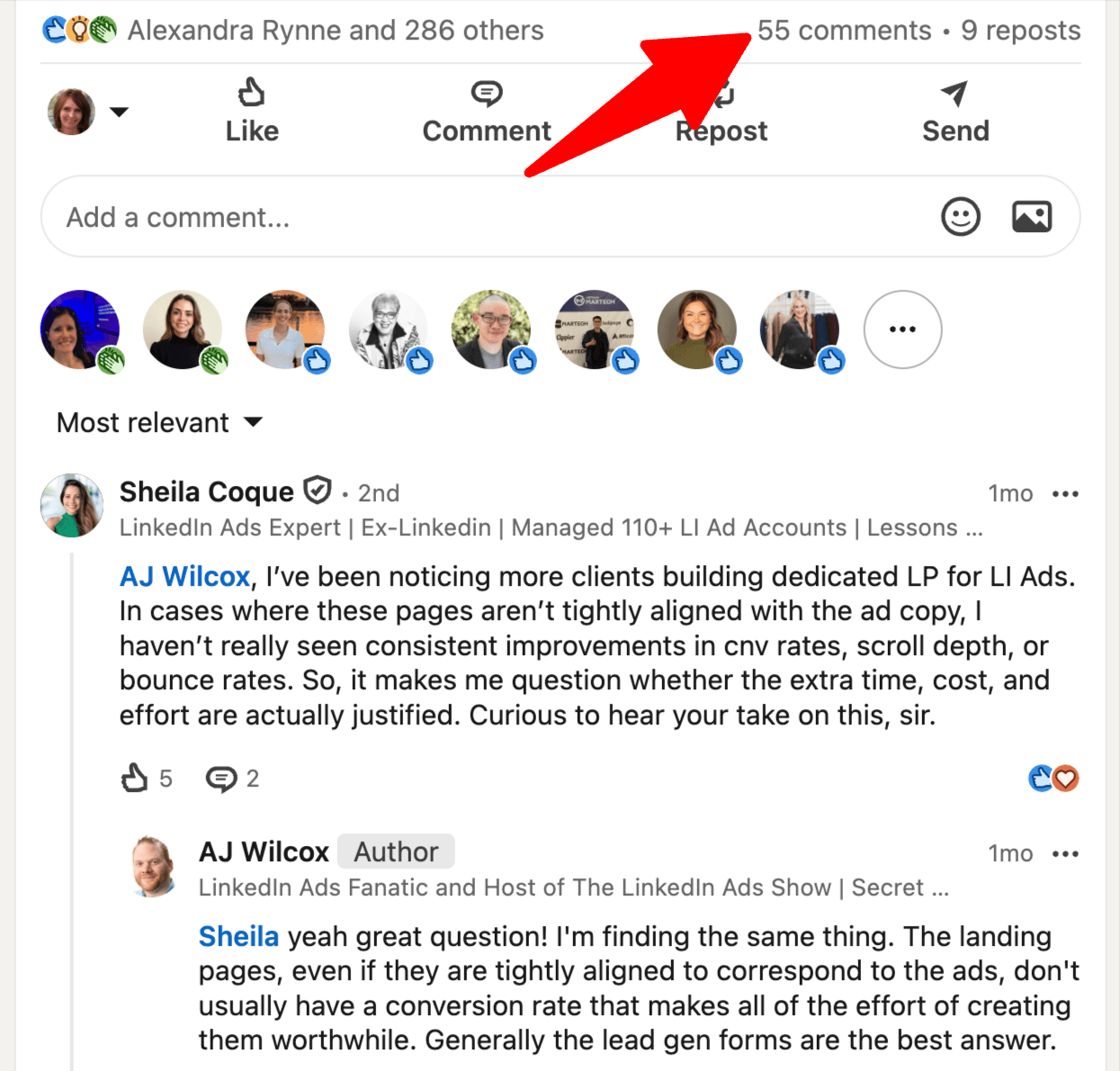
LinkedIn has also adjusted how it weighs comments. The platform no longer prioritizes "Comment Volume" alone; it now looks for Comment Density. A thread where the author and a reader engage in a three-to-four-step back-and-forth conversation is far more valuable than twenty individual "Great post!" comments. Wilcox advises creators to ignore AI-generated "spam" comments and focus their energy on responding to substantive inquiries within the first hour of posting.
Implications: The Future of Professional Influence
The shift to a unified, interest-based AI brain carries heavy implications for the future of B2B marketing and personal branding.
1. The Diminishing Value of the "Follower"
On the old LinkedIn, a follower was a guaranteed impression. On the new LinkedIn, a follower is merely a "suggestion" to the algorithm. If a follower does not engage with your specific topic, the AI will stop showing them your content. This forces creators to maintain high quality and topical relevance constantly.
2. The Rise of "Social Search"
As LinkedIn’s semantic understanding improves, the platform is behaving more like a search engine (SEO) and less like a traditional social network. Content is being indexed and served to users based on their search intent and historical interests. This means "evergreen" content has a longer shelf life than ever before, as the AI can surface an older, high-quality post to a user who has just started their "professional journey" into that specific topic.
3. Verification of Authority
The algorithm is increasingly sophisticated at detecting "original thinking" versus "repurposed AI content." As LLMs become integrated into the feed, LinkedIn is prioritizing creators who offer unique perspectives, proprietary data, and human-led insights. This creates a "moat" for genuine experts, making it harder for low-effort content farms to dominate the feed.
4. Strategic Engineering of Engagement
For businesses, the mandate is clear: content must be engineered for "Invisible Signals." This means moving away from short, "snackable" updates and toward "dwell-heavy" formats like carousels, long-form insightful text with strong hooks, and deep-dive document shares.
Conclusion
LinkedIn’s transition to a unified AI-powered feed represents a maturation of the platform. By moving away from the "social graph" and toward an "interest-based" model, the platform is ensuring its long-term viability as a hub for professional knowledge. For those willing to specialize, engage deeply, and master the new "invisible" metrics, the potential for organic reach has never been higher. However, for the generalist and the vanity-metric chaser, the new algorithm represents a formidable barrier to entry. The "Unified Brain" is now the gatekeeper of professional influence, and it only rewards those who provide genuine, topical value.