The Lohagad Tragedy: Legal Battle Intensifies as Court Denies Extended Custody in Ketan Agarwal Murder Case
By Legal Correspondent
July 4, 2026
Introduction: A Legal Stalemate in the Maval Valley
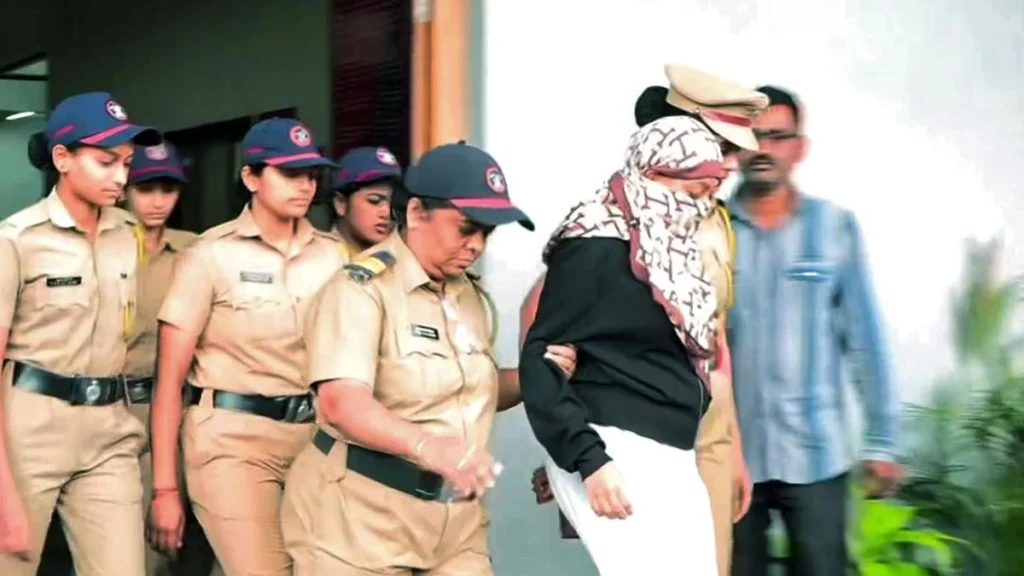
The investigation into the tragic death of Ketan Agarwal, who lost his life under suspicious circumstances at the historic Lohagad Fort, reached a pivotal juncture on Friday, July 3, 2026. The Vadgaon Maval court, presided over by the local magistrate, delivered a significant blow to the prosecution’s momentum by denying a request for further police custody for the primary suspects, Siya Goyal and Chetan Chaudhary. Instead, the court remanded both individuals to 14 days of judicial custody, effectively shifting the case from the intense interrogation phase to the formal pre-trial administrative process.
The denial of the police’s plea for an additional two days of custody signals a critical phase in a case that has gripped public attention across Maharashtra. As the legal machinery begins to grind, the appointment of high-profile Special Public Prosecutor Ujjwal Nikam underscores the gravity of the allegations, which involve a fatal fall, a potential conspiracy, and a web of digital forensic evidence.
Chronology of the Case: From Fort to Courtroom
To understand the current legal deadlock, one must look back at the timeline of events that transformed a scenic excursion into a complex criminal inquiry.
- June 18, 2026: Ketan Agarwal falls from the precipice of Lohagad Fort, a popular trekking destination near Pune. While initial reports may have suggested an accidental slip, police investigators almost immediately flagged inconsistencies in the accounts provided by those accompanying him.
- Late June 2026: As forensic teams processed the site, the Lonavala Rural Police began piecing together a narrative of potential foul play. The investigation began to center on the victim’s acquaintance, Siya Goyal, and her partner, Chetan Chaudhary.
- Early July 2026: Following a series of interrogations, the police formally charged the duo in connection with the murder.
- July 3, 2026: The accused were produced before the Vadgaon Maval court. The police requested an extension of custody, citing the need to reconcile discrepancies in statements and complete technical forensic procedures. The court, however, ruled in favor of judicial custody, citing that the investigation had already reached a stage where further police-led questioning was not strictly necessary for the current phase of the case.
The Prosecution’s Strategy and Scientific Hurdles
The Lonavala Rural Police had built their case for continued custody on the premise of "unresolved technicalities." During the hearing, investigators argued that the nature of the crime—a fall from a height—required a precise reconstruction of events that could only be achieved through sustained questioning.
The Role of Forensic Science
The police informed the court that they were in the process of executing a multi-layered forensic strategy. This includes:
- Digital Forensics: The extraction and analysis of call detail records (CDR), mobile data, and encrypted messaging logs between the suspects and the victim.
- Psychological Profiling: Siya Goyal has already provided consent for a polygraph test. The police argue that the psychological responses recorded during this test are essential to cross-referencing her verbal statements.
- Crime Scene Reconstruction: Using 3D mapping and forensic physics, the police are attempting to determine if the fall was a result of a struggle or an intentional act.
The prosecution team emphasized that the digital footprint left by the suspects is voluminous. Sorting through these data points to create a coherent timeline requires the suspects to be accessible for "confrontation" with the evidence. By denying the extension, the court has implicitly challenged the police to consolidate their findings into a charge sheet based on the evidence already collected.

Defense Arguments: A Push for Due Process
The defense counsel, representing both Goyal and Chaudhary, has maintained a stance of non-cooperation with the state’s request for extended remand. They argued that the investigation had already reached a point of saturation.
"The police have had sufficient time to conduct their inquiries," the defense stated during the hearing. They contended that the continued demand for custody was a tactic to exert psychological pressure rather than a genuine need for procedural investigation. The defense further argued that the suspects have been compliant with the investigative process, including the submission to scientific tests, and that further detention in police lock-up was an infringement on their rights, especially since the police had already secured all primary forensic materials.
The court’s decision to grant judicial custody is seen as a victory for the defense’s argument that the investigation must move toward trial rather than remaining in an indefinite cycle of interrogation.
The Appointment of Ujjwal Nikam
Perhaps the most significant development in the case is the appointment of veteran Special Public Prosecutor Ujjwal Nikam. A name synonymous with high-stakes criminal litigation in India, Nikam’s involvement signifies that the state government intends to treat the Lohagad murder with the utmost seriousness.
His appointment follows the government’s decision to constitute a fast-track court to oversee the proceedings. In the Indian judicial system, the move to a fast-track court is reserved for cases that have a profound impact on social order or involve particularly heinous allegations. Nikam’s presence suggests a focus on airtight evidence presentation and a commitment to ensuring that the technical, forensic nature of the case is communicated effectively to the judiciary.
Implications: What Lies Ahead?
As the suspects head to judicial custody, the case enters a "waiting period." This phase is crucial for the following reasons:
1. The Charge Sheet Preparation
The police are now under immense pressure to file a comprehensive charge sheet. Without the ability to interrogate the suspects further under police custody, they must rely on the forensic documents already submitted to the court. The strength of the prosecution will now hinge on whether the "discrepancies" they mentioned in court are substantiated by the physical and digital evidence.

2. The Polygraph and Scientific Tests
While the police were denied custody for questioning, the permission for scientific methods like polygraph tests remains a separate procedural matter. These tests will likely continue as scheduled, and their results will serve as key exhibits in the trial. If these tests produce significant leads, the prosecution may seek to return to court to challenge the current custody status.
3. Public and Media Scrutiny
The death of Ketan Agarwal has resonated with the public, particularly among trekking and outdoor enthusiast communities in Maharashtra. The case has raised questions about safety protocols at historic forts and the vulnerability of individuals in remote locations. The legal proceedings are being watched closely, with social media commentary often running ahead of the judicial process. The judiciary, however, remains focused on the cold, hard facts of the forensic evidence.
Conclusion: A Test of the Judicial System
The case of the Lohagad Fort tragedy is emblematic of the challenges modern investigators face: relying on technical, digital, and psychological data in the absence of direct witnesses. The decision of the Vadgaon Maval court on July 3 serves as a reminder that even in cases of intense public interest, the court serves as a neutral arbiter of procedural law.
As the 14-day judicial custody period begins, the focus shifts from the police station to the forensic laboratories and the chambers of the Special Public Prosecutor. The state must now demonstrate that the evidence collected is not merely circumstantial, but a cohesive narrative of intent and action. For the family of Ketan Agarwal, the wait for justice continues, but the legal framework is now firmly in place, with the fast-track court preparing to adjudicate the truth behind the fall at Lohagad.
The outcome of this trial will likely set a precedent for how cases involving digital evidence and complex forensic reconstruction are handled in the Maharashtra legal system. All eyes remain on the next hearing, where the prosecution is expected to outline the path toward a formal indictment.