The Meta Era: Inside the $900 Million Transformation of CRED
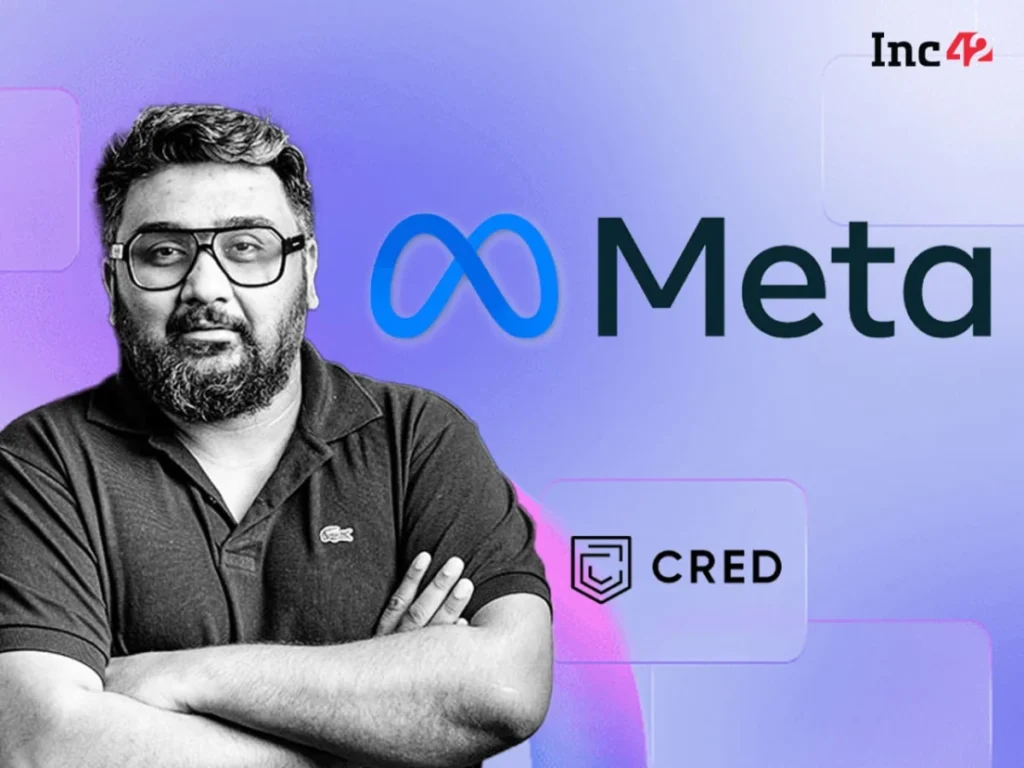
The Indian startup ecosystem is witnessing a historic realignment. In a move that signals both the maturation of the domestic fintech landscape and the aggressive global ambitions of Meta, the Bengaluru-based financial powerhouse CRED has secured a monumental $900 million investment. This deal, the largest funding round for an Indian startup this year, marks the end of the "Kunal Shah era" at the helm of the firm and the beginning of a strategic integration with Meta’s broader ecosystem.
The Financial Architecture of the Deal
The investment values CRED at approximately $4.5 billion on a post-money basis. Structurally, the deal is a sophisticated blend of primary and secondary share sales. Sources close to the transaction indicate that roughly $500 million will flow directly into the company’s coffers as primary capital, earmarked for scaling new product lines and fueling aggressive growth. The remaining $400 million is allocated for secondary transactions, providing a significant liquidity event for early investors and long-term stakeholders.
This capital injection is historic, surpassing the total amount of funding CRED had raised across all its previous rounds combined. In an era where venture capital has become notoriously selective and late-stage rounds have faced significant headwinds, Meta’s willingness to commit such a substantial sum serves as a powerful validation of CRED’s business model, leadership, and long-term sustainability.
Leadership Transition: From Shah to the "Meta Era"
The most seismic shift accompanying the funding is the departure of founder and CEO Kunal Shah from day-to-day operations. Shah, a central figure in the Indian startup narrative, is transitioning into a global leadership role at WhatsApp, the Meta-owned messaging giant.
While Shah will retain his shareholding in CRED, the reins are being passed to Miten Sampat, the company’s current Chief Strategy and Finance Officer, who will serve as interim CEO. Sampat, who has been a cornerstone of the leadership team since 2020, is widely credited with architecting the firm’s financial strategy and its recent push toward institutionalized governance.
Internally, the transition is being framed not as a crisis, but as a testament to the "succession readiness" of the organization. Over the past several years, CRED has meticulously built a bench of senior executives across product, growth, and business operations. Shah’s departure is perceived by insiders as a vote of confidence in the management team’s ability to navigate the company toward its eventual public listing.
Chronology of an Ecosystem Shift
To understand the magnitude of this shift, one must look at the evolution of CRED over the last 24 months. The company has aggressively shed its identity as a mere "credit card bill payment app" to become a multi-faceted financial super-app.
- 2020–2022: The establishment of the "CRED Member" ecosystem, defined by exclusive rewards and premium financial services.
- 2023: The pivot toward verticalization, launching standalone offerings like "Cash by CRED" to move beyond its exclusive membership model.
- 2024: The acquisition of Kuvera, marking a definitive entry into wealthtech, followed by the launch of "Surplus," an invite-only feature for liquid fund management.
- Mid-2024: The launch of "CRED Garage," signaling a shift into lifestyle management, vehicle services, and automotive insurance.
- Late 2024: The Meta-led $900 million round and the transition of Kunal Shah to WhatsApp, signaling the start of a deep integration between India’s premium financial users and Meta’s global messaging infrastructure.
Supporting Data: Scaling the "CRED" Machine
CRED’s transformation is backed by impressive metrics that justify its $4.5 billion valuation. The company currently claims a user base of approximately 17 million high-trust members. In the credit space, the startup has achieved a dominant position, processing more than 40% of India’s credit card bill payments.
Beyond payments, the lending business has evolved into a robust distribution engine for financial institutions. The company now manages assets exceeding ₹24,000 crore, positioning it as a significant intermediary in the Indian credit market. By diversifying into wealth management (Kuvera), lending (Cash by CRED), and lifestyle services (Garage), the startup has successfully insulated itself from the volatility of a single-product business model.
Implications for Stakeholders and the Market
1. Investor Liquidity and Returns
The secondary component of this deal is expected to trigger one of the largest employee liquidity events in India’s startup history. Hundreds of current and former employees, who have held stock options through the company’s lean years, are expected to monetize their holdings within the coming weeks. Additionally, marquee early investors including Peak XV Partners, Ribbit Capital, RTP Global, and Tiger Global are slated to realize significant partial exits, providing a much-needed liquidity injection back into the venture ecosystem.
2. The Meta-WhatsApp Synergy
For Meta, the deal is a strategic masterstroke. By bringing Kunal Shah into the WhatsApp fold, Meta gains direct access to one of the most visionary product minds in India. As WhatsApp continues to experiment with business messaging, payments, and commerce in the Indian market, having a leader who understands the nuances of the Indian consumer’s financial behavior is invaluable. The potential for a deeper, native integration between CRED’s credit-scoring engine and WhatsApp’s massive user base could redefine the future of digital payments in the country.
3. The Path to IPO
The leadership transition and the infusion of Meta’s capital are clearly designed to prepare the company for a public listing. The firm has been aggressively sharpening its focus on profitability and sustainable growth. However, the exit of Kunal Shah poses a unique challenge. Shah has historically served as the "face" of the brand—the architect of its charm offensive and its primary spokesperson. Whether the company can maintain its cultural identity and market influence under new, professionalized management remains the key question for investors and analysts alike.
Official Stance and Market Sentiment
While CRED has declined to provide granular details regarding the specific returns for early investors or the exact structure of the upcoming ESOP buyback, the broader market sentiment remains bullish. Industry observers note that the deal is a "win-win-win": Meta secures a strategic foothold, CRED secures the capital to scale its multi-app strategy, and the early stakeholders get a significant exit window in a tight market.
"The fresh fund raised will be utilized to scale these products with new features," a senior source close to the transition stated. "CRED has moved from one app to three in a very short period. The priority now is not just growth, but the seamless execution of these verticals under a mature, institutionalized leadership structure."
Conclusion: The Road Ahead
The $900 million Meta-led deal is more than just a balance sheet entry; it is a signal of the maturity of the Indian startup sector. The transition of Kunal Shah to WhatsApp and the appointment of Miten Sampat marks a move toward "Corporate India" standards of governance and leadership.
As the "Meta Era" begins, the expectations are as immense as the capital infusion itself. With a matured leadership team, a diversified product ecosystem, and the weight of a global tech giant behind it, CRED is no longer just a startup—it is a critical piece of the digital infrastructure of the world’s fastest-growing major economy. Whether this new chapter will prove to be as disruptive as the last remains to be seen, but one thing is certain: the eyes of the global fintech world are firmly fixed on Bengaluru.