The Motorola Razr 70 (Razr 2026): A Refined Iteration or a Stagnant Successor?
Motorola has officially unveiled the latest iteration of its iconic clamshell foldable: the Motorola Razr 70, marketed as the Razr 2026 in North American territories. As the foldable smartphone market matures, expectations for iterative updates have shifted from "radical transformation" to "strategic refinement." However, the Razr 70 arrives at a precarious moment for the brand, facing internal competition from its own previous-generation stock and external pressure from a market that is increasingly critical of premium pricing for incremental gains.
Main Facts: What’s New in the 2026 Refresh?
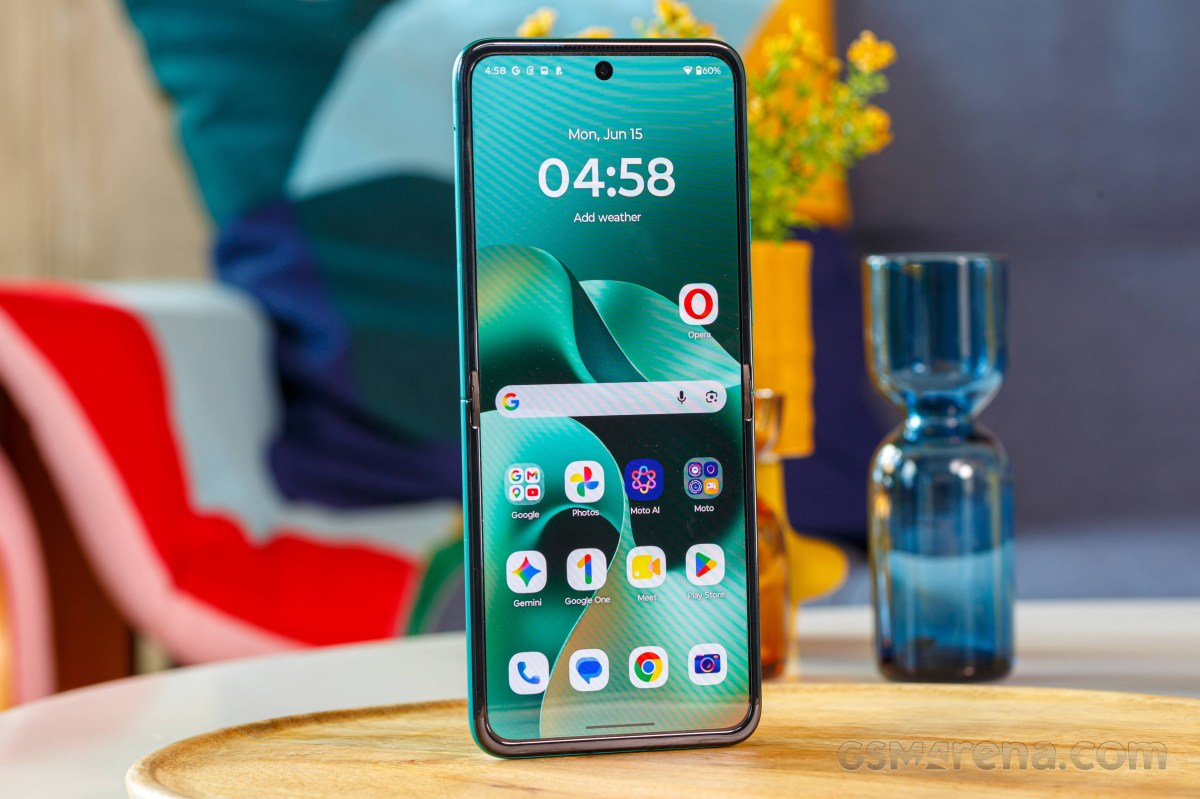
The Motorola Razr 70 represents a conservative approach to hardware design. While the external silhouette remains familiar, the device introduces several key adjustments aimed at durability and efficiency:
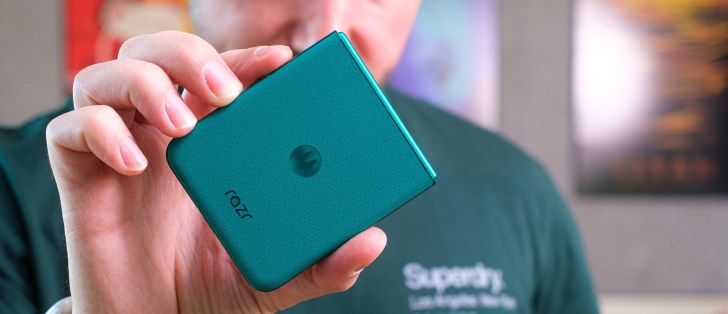
- Materials and Durability: The most significant structural change is the transition to a titanium hinge, replacing the stainless steel construction of the 2025 models. This shift, combined with MIL-STD-810H certification, positions the phone as a more robust daily driver. The device retains its IP48 rating, providing protection against water submersion up to 1.5 meters for 30 minutes and a degree of particulate resistance.
- Battery Capacity: Despite maintaining the exact physical dimensions and weight of its predecessor, Motorola engineers have managed to increase the battery capacity to 4,800 mAh. This marginal gain is a welcome technical achievement, addressing one of the most common pain points in the compact foldable segment.
- Display Enhancements: While the panel specifications appear largely unchanged from the 2025 generation, the inclusion of native Dolby Vision support suggests improved calibration and certification, promising a more vivid multimedia experience.
- Processing Power: The device is powered by the MediaTek Dimensity 7450X. While this is technically an upgrade, it shares a nearly identical architecture with the previous 7400X, representing an evolutionary rather than revolutionary leap in performance.
Chronology: The Evolution of the Razr Series
To understand the positioning of the Razr 70, one must look at the recent trajectory of Motorola’s foldable strategy.
- 2024-2025 Era: Motorola successfully recaptured the "nostalgia-meets-tech" market segment with the Razr 2025 series, offering high-end features at competitive price points. These devices, particularly the Ultra variants, set a high bar for internal specifications, including 1TB storage options and 12GB RAM configurations.
- Q1 2026: As rumors of the new series began to circulate, the market saw aggressive "fire sale" pricing on 2025 models. This created a significant value perception gap; consumers were suddenly able to purchase a high-tier 2025 Ultra device for the same price as the entry-level 2026 vanilla model.
- Launch Phase: The Razr 70 debuted with a starting MSRP of $800 / €870 / £800. Critics were quick to point out that by stripping away the 512GB storage and 12GB RAM options present in the previous year’s lineup, the new model felt like a "value-engineered" version of a phone that was already a year old.
Supporting Data: Specifications and Market Positioning
The Razr 70’s spec sheet reveals a complex narrative of trade-offs. While the move to UFS 3.1 storage provides faster data transfer rates, the decision to cap the RAM at 8GB is particularly controversial. In an era where mobile AI (artificial intelligence) and complex background processes are becoming standard, 8GB of RAM may struggle to maintain the longevity that premium buyers expect from an $800 device.

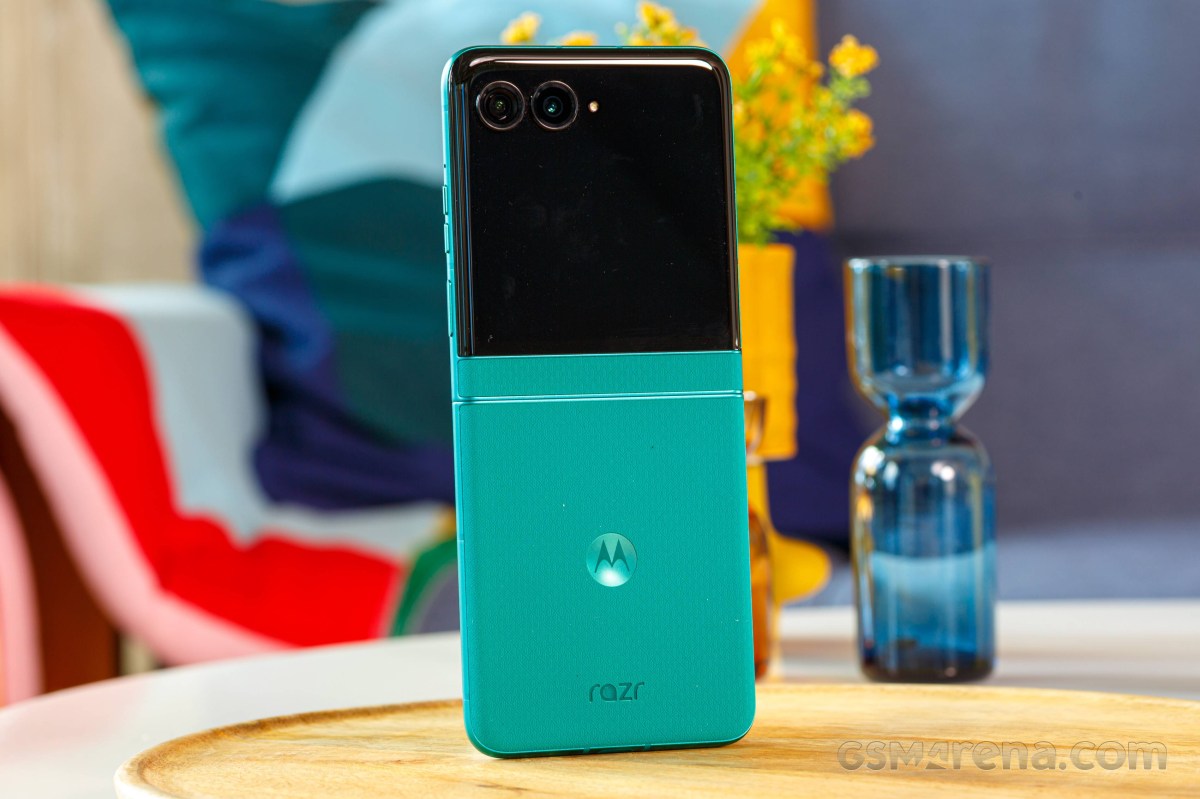
Furthermore, the camera configuration highlights a strange divergence. While the ultrawide lens has been bumped to 50MP, the removal of autofocus on that specific sensor represents a functional regression for photography enthusiasts.
Pricing and Availability:
The current market entry for the 256GB/8GB model sits at £799.00 in the UK and approximately €739.00 in European markets. These prices are significantly higher than the discounted prices of the previous generation, forcing consumers to weigh the benefits of a new titanium hinge and a slightly larger battery against the loss of higher-tier memory configurations and autofocus capabilities.

Official Responses and Brand Philosophy
Motorola has maintained a focused, if somewhat muted, response to the criticism regarding the 8GB RAM ceiling and the lack of a 512GB option. Industry analysts speculate that these decisions were driven by supply chain constraints and a corporate mandate to differentiate the "vanilla" Razr 70 from the higher-margin "Plus" and "Ultra" models.
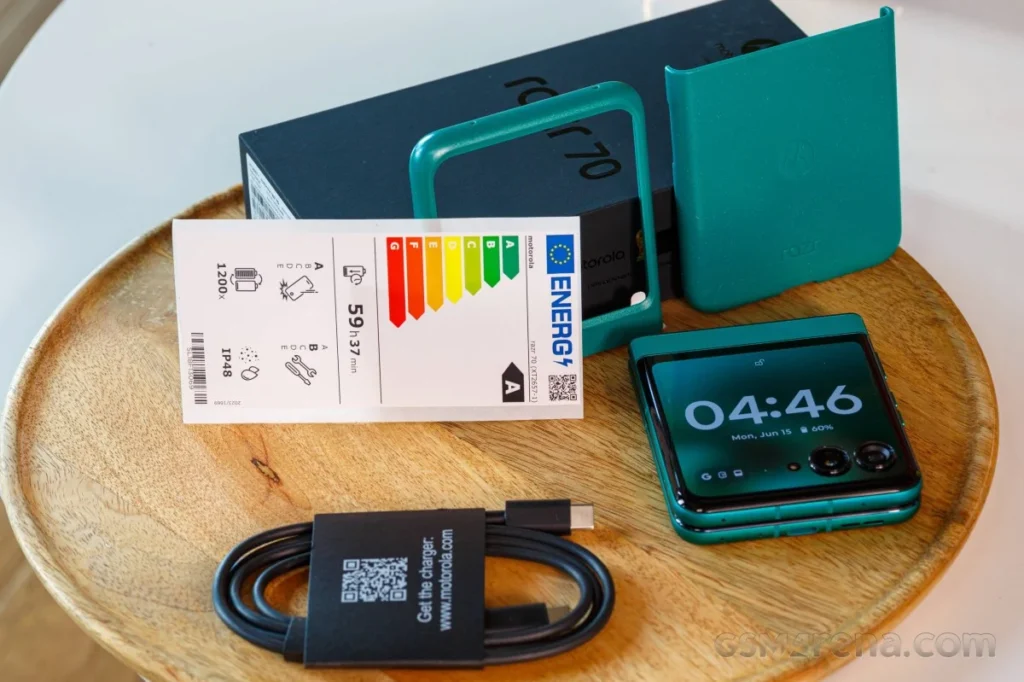
Motorola’s marketing narrative continues to emphasize the "lifestyle" aspect of the device. The unboxing experience—which features a 100% plastic-free, recyclable cardboard box and the inclusion of a color-matched bumper case—is a clear attempt to appeal to environmentally conscious, fashion-forward consumers. By focusing on the "premium feel" of the materials, Motorola is betting that the average user will prioritize the structural integrity of the titanium hinge over raw benchmark numbers.
Implications for the Future of Foldables
The release of the Razr 70 has broader implications for the foldable smartphone industry.
- The "Peak Foldable" Plateau: We are entering a phase where the physical form factor of the clamshell foldable has been largely optimized. Future growth will likely come from software integration and AI, rather than screen tech or hinges. If Motorola’s software ecosystem does not evolve to leverage the hardware effectively, the brand risks being outpaced by competitors who are integrating more aggressive AI features.
- Market Cannibalization: The existence of previous-generation hardware at deep discounts is a common problem for mobile manufacturers, but it is particularly acute for Motorola. By failing to offer a compelling "generation-over-generation" upgrade, the company is effectively forcing its own older devices to compete with its newest flagships.
- The Sustainability Challenge: While the eco-friendly packaging is a positive step, true sustainability in the smartphone industry requires long-term device relevance. By capping the RAM at 8GB in a 2026 device, there is a risk that the Razr 70 will face performance obsolescence faster than its predecessors, contradicting the brand’s commitment to durability.
Conclusion: Is the Razr 70 Worth It?
The Motorola Razr 70 is a paradox. It is a more durable, refined, and battery-efficient device than its predecessor, yet it feels hampered by strategic choices in the memory and storage departments. For a user who values the aesthetics of the Razr line, the titanium hinge and the subtle display improvements under Dolby Vision are excellent additions. However, for the power user, the loss of the 12GB RAM option and the lack of autofocus on the ultrawide camera are difficult pills to swallow at the current price point.
As the dust settles on the launch, the success of the Razr 70 will depend less on its spec sheet and more on how Motorola navigates its pricing strategy. If the manufacturer can bridge the gap between the premium cost and the mid-tier internals through future software updates or price adjustments, it may yet find its footing. Until then, the Razr 70 stands as a reminder that even in the world of cutting-edge foldables, the most important upgrades are often the ones that don’t make the headlines.