The New Rules of Engagement: Navigating Facebook’s 2026 Algorithmic Shift
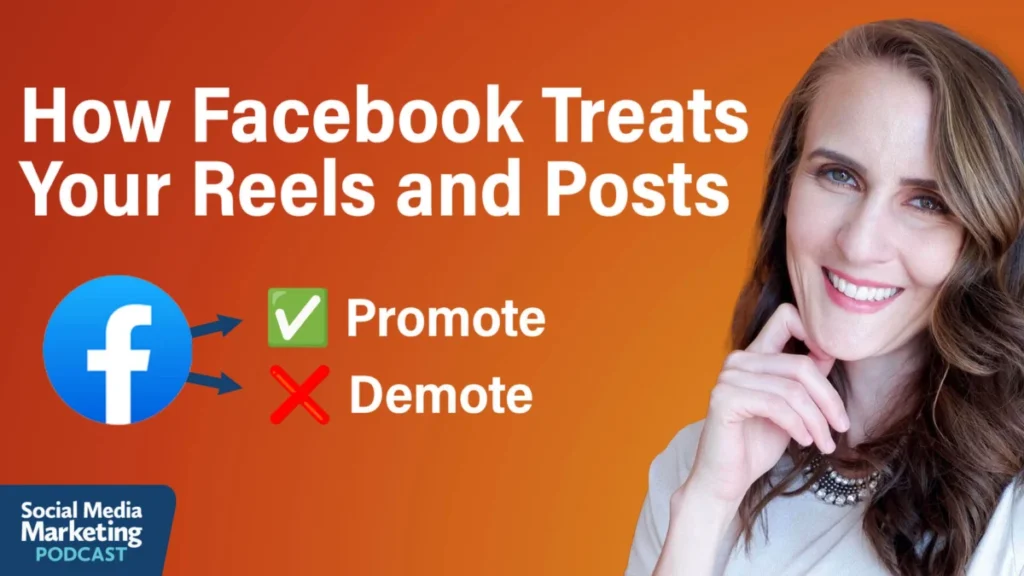
The digital landscape of 2026 is undergoing a seismic transformation. As Meta reports that engagement on Facebook Reels has doubled compared to the previous year, the platform is responding with a aggressive strategy designed to prioritize original content, refine recommendation accuracy, and deepen its integration with e-commerce.
For marketers, business owners, and content creators, the "golden era" of easy reach via simple reposting or low-effort curation is coming to an end. Understanding these new rules is no longer optional—it is a survival requirement for any brand looking to maintain visibility in the coming year.
The Strategic Pivot: Why Meta is Changing Now
Meta’s decision to overhaul its distribution mechanics is driven by a singular goal: Retention. By fostering an ecosystem where original, high-value content thrives, the platform aims to combat "doom-scrolling" fatigue—a phenomenon where users consume content mindlessly without forming a genuine connection to the brand or the creator.
Data indicates that when users feel their feed is cluttered with repurposed, low-effort, or irrelevant content, their session times drop. To counter this, Meta is deploying advanced pattern-recognition technology to identify and reward original authorship, while simultaneously giving users the tools to "vote" on the relevance of the content served to them.
1. The Death of the Repost: Prioritizing Originality
The most significant change to the Facebook algorithm is the explicit prioritization of "Original Organic Content." Meta has moved beyond simple metadata tracking; it is now utilizing structural "fingerprinting" to identify the provenance of every video uploaded to the platform.
The Mechanism of Enforcement
Speculation regarding facial recognition has been largely debunked by industry experts like Tara Zirker. Instead, Meta uses sophisticated pattern-based identification. The algorithm analyzes the structure, cadence, and visual components of a video to track its first appearance on the platform.
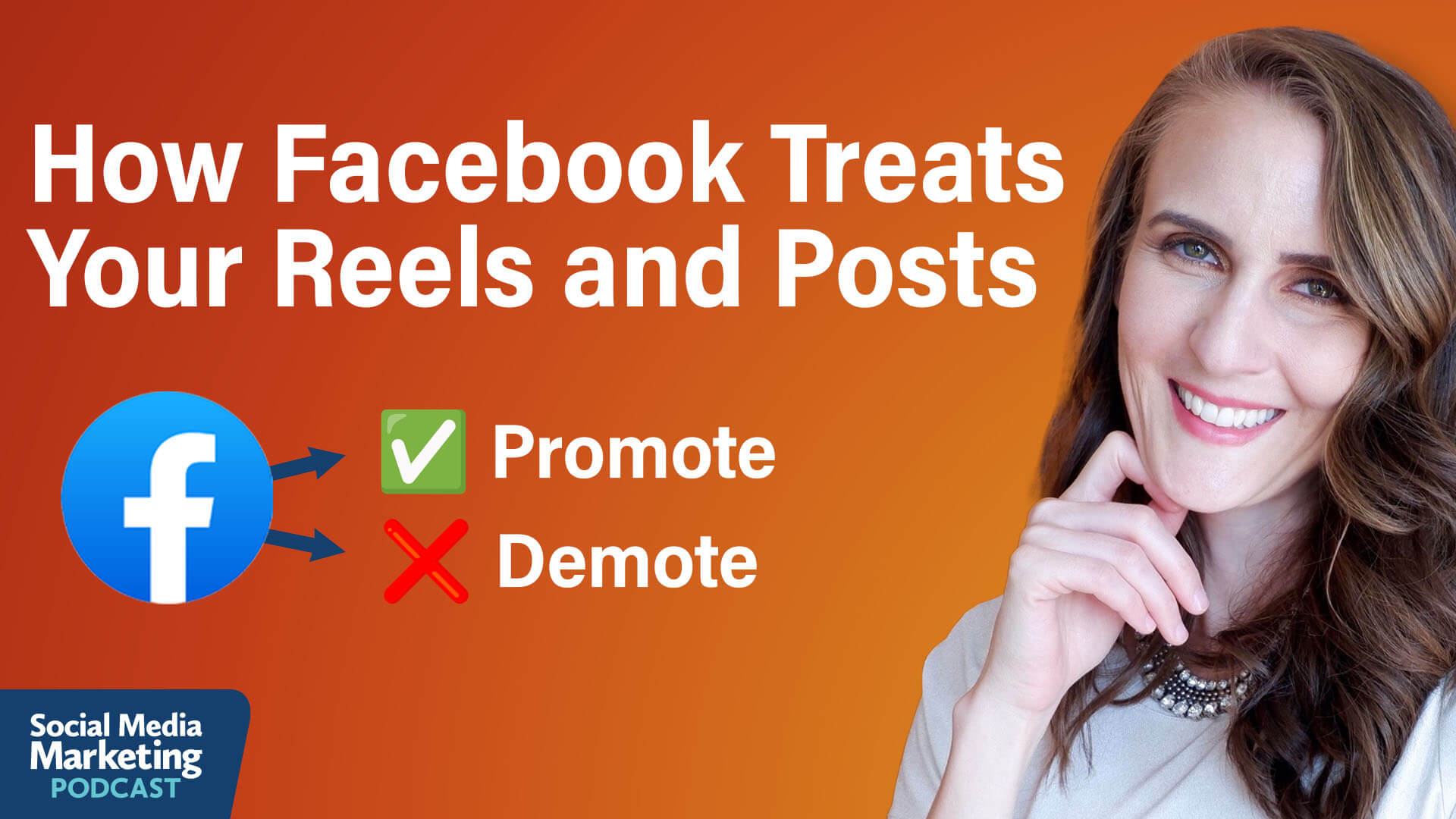
- The "Safe Zone": Pages that maintain a consistent history of uploading original, high-quality content are effectively "whitelisted" by the algorithm, receiving preferential treatment in reach.
- The Demotion Penalty: Conversely, pages that rely on scraping content, "stitched" videos with minimal edits, or low-effort reaction clips will face systematic reach reduction.
What This Means for Your Strategy
Does this mean the end of remix culture? Not necessarily. Content that incorporates third-party clips remains viable if—and only if—the creator adds substantive value. This includes professional analysis, creative storytelling, or original commentary that transforms the source material. If your strategy relies on simple, "low-lift" reposting, you should expect a steep decline in performance. Interestingly, User-Generated Content (UGC) is expected to remain shielded from these penalties, as it serves as a cornerstone of Meta’s e-commerce ambitions.
2. The "True Interest" Revolution: Direct User Feedback
To address the limitations of behavioral data, Facebook is rolling out the User True Interest Survey. Historically, the algorithm relied on "passive signals"—scroll depth, dwell time, and clicks—to determine interest. However, passive signals cannot distinguish between genuine engagement and mindless consumption.
The 1-to-5 Rating System
Facebook is now injecting interactive, full-screen prompts after users view specific Reels. Viewers are asked to rate the relevance of the video on a scale of one to five. This provides the AI with a "Ground Truth" metric:
- The Positive Signal: High ratings reinforce the recommendation profile, ensuring your content is served to similar users.
- The Negative Signal: A 1-star rating acts as a hard stop. Even if a user watched the video for 30 seconds, a negative rating tells the algorithm that the content was not a match, overriding the watch-time data.
Navigating the New Relevance Landscape
To thrive, brands must adopt a dual-layer content strategy:

- The Niche Core: 70–80% of your content should be hyper-targeted, solving specific problems for your ideal customer profile. This ensures you score highly on relevance surveys with your target demographic.
- The Broad Appeal Layer: You can still experiment with wider-reaching, topical content, provided it remains loosely tethered to your industry. Occasional off-topic human-interest posts are acceptable, but they should not become the primary driver of your feed.
3. The Infrastructure of Commerce: Self-Serve Affiliate Links
Facebook is aggressively moving to close the gap between social discovery and transactional conversion. By launching a self-serve affiliate program within the professional dashboard, Meta is effectively turning every creator into a potential retail partner.
The Mechanics of the Affiliate Program
This infrastructure allows creators to browse a brand’s product catalog directly within the app and append affiliate links to their Reels. When a sale occurs, the creator earns a commission, and the brand gains access to a broader audience without the need for complex, manual brand-deal negotiations.
- Integration: Currently, the program supports seamless integration with Amazon and Shopee in the US, with Shopify integrations expected to follow.
- The "Hands-Off" Challenge: Because this is not a formal partnership, creators are not bound by your brand guidelines. They will speak in their own voice, which is a double-edged sword. It offers the "authenticity" that drives conversions but requires brands to ensure their public-facing presence—product pages, descriptions, and customer service—is pristine.
Advice for Scaling
Do not wait for creators to find you. The most successful brands in this ecosystem will be those that treat their affiliate program like a proactive PR campaign. This involves identifying niche influencers, providing them with samples, and nurturing relationships before they even feature your product. Brands with existing affiliate programs will have a significant head start as they transition to this new, native format.
4. The Rise of "Vibes" and AI-Driven Content
Meta’s testing of the standalone Vibes app signifies a deeper, more long-term play: the mastery of AI-generated creative. While Vibes is currently positioned as a space to browse AI video, its true utility is as a data-collection engine.
Training the Algorithm
By observing how users interact with AI-generated video, Meta is training its internal models to understand which visual styles, pacing, and formats hold attention. This data is the precursor to a fully automated ad-creation suite, where an advertiser will eventually be able to provide a product image and a budget, leaving the platform to generate the high-performing video creative itself.

The Ethics of AI Actors
For brands, the use of AI in advertising presents a clear divide:
- Stylized/Fantastical Content: Generally safe and often encouraged as a creative differentiator.
- UGC-Style Testimonials: This is the "gray area." Using AI actors to simulate real-world human testimonials carries significant risk regarding brand trust and authenticity. If your brand utilizes AI to mimic human experiences, you must prioritize disclosure and ethical standards, as consumer skepticism regarding AI-generated "people" is currently at an all-time high.
Implications for 2026: A Summary
The 2026 Facebook ecosystem is moving toward a model where quality, intent, and authenticity are the only currencies that matter.
- Stop the Reposting: Your page’s "fingerprint" is being tracked. Focus on original production.
- Optimize for Sentiment: Do not just chase views. Chase "high-value" views by solving specific problems for a specific audience.
- Lean into the Creator Economy: The new affiliate infrastructure is a massive opportunity to outsource your marketing to creators, but only if you build relationships first.
- Prepare for AI: AI video is the future of production, but ensure your brand identity remains human-centric in its testimonials.
As the algorithm becomes more sophisticated at understanding what we truly like rather than what we accidentally watch, brands that lean into genuine value will find themselves in a stronger position than ever before. Those who continue to rely on gaming the system, however, will likely find their reach—and their revenue—diminishing in the coming months.