The Samsung Galaxy A27 5G: A Calculated Evolution in the Mid-Range Arena
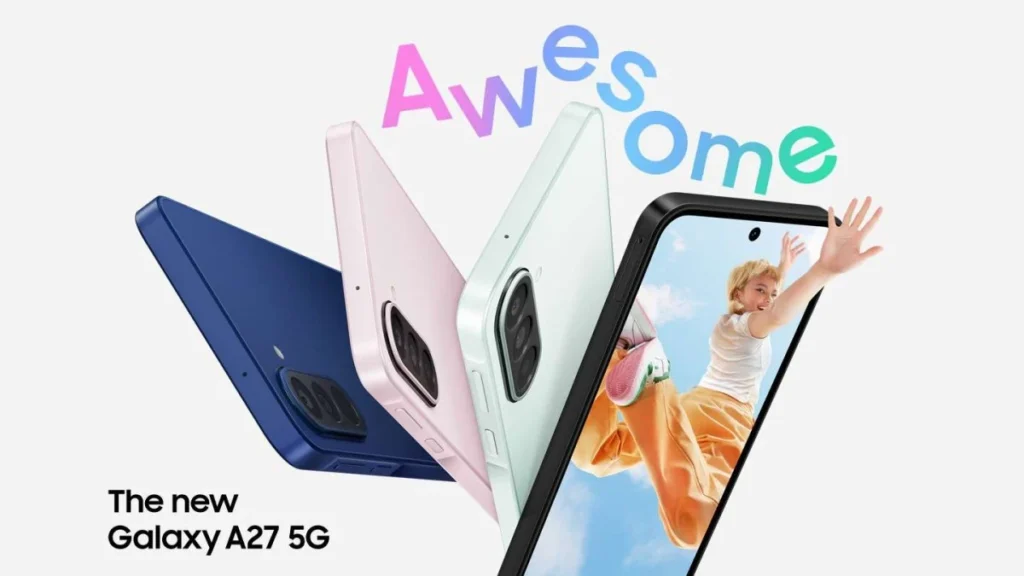
Samsung has officially pulled the curtain back on its latest mid-range contender, the Galaxy A27 5G. As the mobile landscape becomes increasingly saturated with high-performance budget hardware, Samsung’s strategy for the A27 appears to be one of refinement rather than revolution. Positioning itself as a successor to the Galaxy A26, the new device arrives with a modernized aesthetic, an upgraded chipset, and a clear promise of long-term software viability. However, as with any iterative release, the device presents a complex balance of trade-offs that potential buyers must navigate.
Main Facts: What Defines the Galaxy A27 5G?
At its core, the Galaxy A27 5G retains the DNA of its predecessor while attempting to smooth out the rougher edges of the A-series design language. The device is built around a 6.7-inch Super AMOLED display, maintaining a fluid 120Hz refresh rate that has become the industry standard for smooth scrolling and gaming.
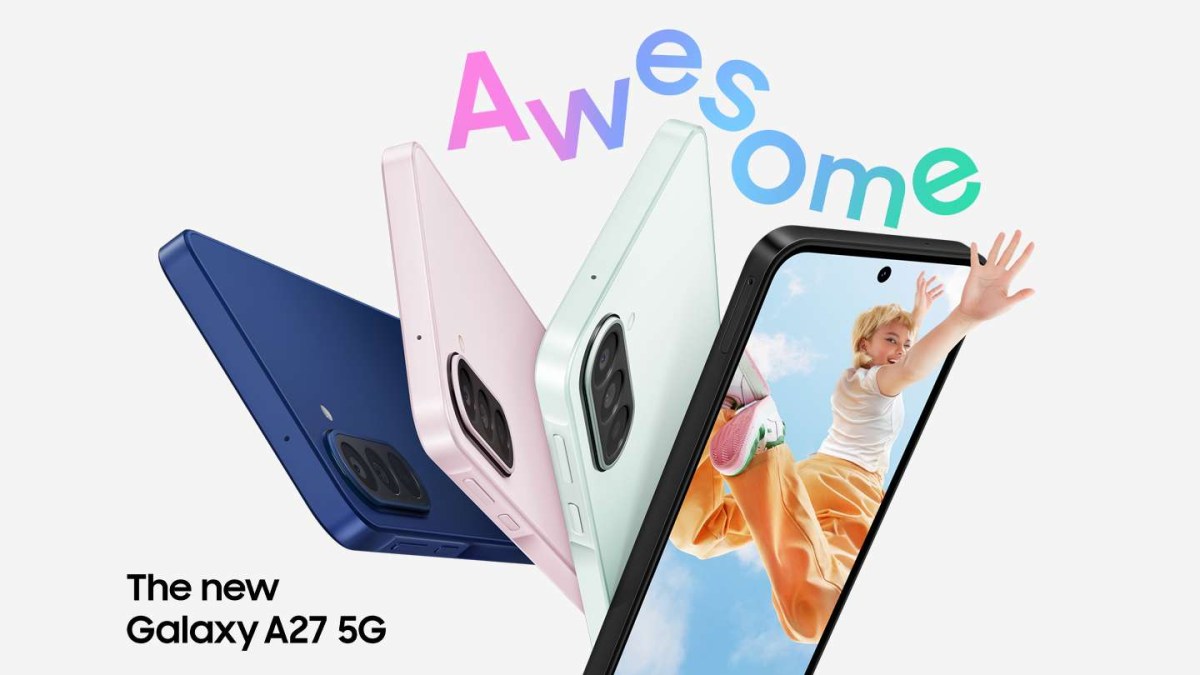
The most immediate visual departure from the Galaxy A26 is the transition from the dated "teardrop" or "waterdrop" notch to a modern, centralized punch-hole camera. Samsung has branded this the "Infinixy-O" display, a design choice that not only looks more contemporary but also allows for slimmer bezels, providing a more immersive viewing experience.
Under the hood, the device makes a significant jump in processing architecture. The Galaxy A27 transitions to the 4nm Snapdragon 6 Gen 3 chipset. Samsung’s internal metrics suggest a performance uplift of 10% to 20% over the previous 5nm Exynos 1380, promising a snappier experience in day-to-day multitasking and application responsiveness.
Chronology: The Path to Launch
The trajectory of the Galaxy A series has been characterized by a relentless annual release cycle, and the A27 is no exception.
- Pre-Announcement Phase: Following the stable market performance of the Galaxy A26, industry analysts speculated that Samsung would focus its next budget efforts on refining the chassis design and addressing user feedback regarding display-to-body ratios.
- Leak and Rumor Cycle: In the months preceding the official reveal, supply chain leaks suggested a move away from Exynos chipsets in favor of Qualcomm’s Snapdragon architecture, citing thermal efficiency and gaming performance as primary drivers.
- Official Announcement: Samsung confirmed the device’s specifications in late June, setting the stage for a commercial rollout.
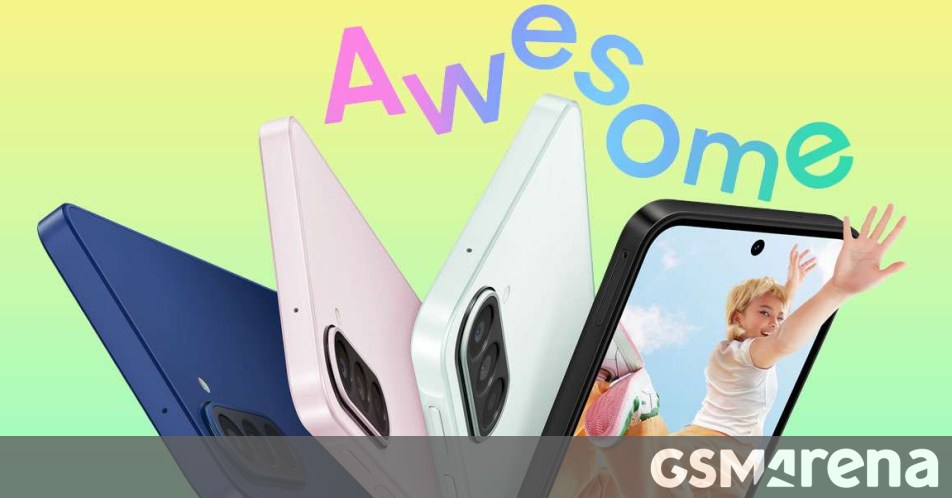
- Retail Availability: The official market launch is slated for July 3. Consumers will be able to choose from four distinct colorways: Black, Blue, Light Green, and Light Pink. Storage configurations will cater to a broad range of user needs, with 6/128GB, 8/128GB, and 8/256GB variants available.
Supporting Data: Specifications and Performance Metrics
When analyzing the Galaxy A27, it is essential to look at the granular details. While the processor is faster, other hardware components have either remained static or undergone minor adjustments.
The Display and Camera Array
The 6.7-inch panel continues to offer the vibrant color reproduction and deep blacks expected from Super AMOLED technology. The camera setup remains a familiar configuration: a 50MP main sensor equipped with Optical Image Stabilization (OIS), a 5MP ultrawide lens for landscape photography, and a 2MP macro sensor for close-up detail. The selfie camera has been updated to a 12MP sensor, housed within the new punch-hole cutout.
Battery and Charging
The device carries a 5,000mAh battery, a capacity that has become the "Goldilocks" zone for mid-range smartphones, typically offering a full day of heavy usage. Charging speeds remain locked at 25W. While this is efficient, it does trail behind some competitors in the Chinese market who are pushing 45W or 67W charging in similar price brackets.
The Durability Trade-off
Perhaps the most controversial aspect of the A27’s release is the adjustment to its IP rating. While the Galaxy A26 boasted an IP67 rating—offering full protection against immersion in water—the A27 has been downgraded to an IP64 rating. This signifies that while the device is now splash-resistant, it is no longer certified for accidental submersion. For users who work in demanding environments or lead active, outdoor lifestyles, this change represents a tangible step backward.
Official Responses and Strategic Positioning
Samsung’s marketing narrative for the Galaxy A27 centers on "consistency and longevity." By promising six years of security updates and six full Android OS upgrades, Samsung is explicitly targeting the long-term owner—the user who intends to keep their device for half a decade without feeling the need to upgrade.
In official statements, Samsung representatives have emphasized the "responsiveness" provided by the Snapdragon 6 Gen 3. The company is positioning this as a "day-to-day workhorse" rather than a flagship-killer. This measured approach suggests that Samsung is content to let its software support record, brand reputation, and ecosystem integration do the heavy lifting, rather than engaging in a "spec war" regarding charging speeds or camera sensor counts.
Implications for the Mid-Range Market
The release of the Galaxy A27 5G has several implications for the broader smartphone ecosystem.
The Shift Toward Software Longevity
Samsung’s aggressive support policy is setting a new benchmark for mid-range devices. Historically, budget phones were treated as "disposable" tech with two years of support. By offering six years, Samsung is pressuring other manufacturers to extend the lifespans of their own budget offerings. This is a massive win for environmental sustainability and consumer value, effectively lowering the Total Cost of Ownership (TCO) for the average user.
Competitive Pressure
The Galaxy A27 finds itself in a precarious position. While the punch-hole design and the Snapdragon chipset are welcome upgrades, the reduction in the IP rating will be a point of contention for reviewers and power users alike. In a segment where consumers are increasingly tech-savvy, the lack of improved charging speeds and the regression in durability could push some users toward rival brands that prioritize raw hardware specs.
The "A-Series" Identity
The A27 serves as a reminder that Samsung is moving toward a more unified design language across its entire lineup. By bringing the punch-hole display to the A20-series, Samsung is effectively "democratizing" features that were once exclusive to the S-series or the high-end A50/A70 lines. This homogenization is a double-edged sword: it makes the entry-level devices look more premium, but it makes it harder to distinguish between a $200 phone and a $500 phone at a glance.

Final Analysis: Is the Galaxy A27 Right for You?
The Galaxy A27 5G is a device defined by its incremental nature. It does not attempt to disrupt the market with gimmicks or untested technology. Instead, it offers a refined, stable, and highly supported experience for the average consumer.
- Who is this for? The user who values peace of mind. If you want a phone that will receive security patches until the end of the decade, has a large, beautiful display for media consumption, and provides consistent performance for social media, messaging, and light gaming, the A27 is a strong candidate.
- Who should look elsewhere? The user who prioritizes hardware durability (due to the IP64 downgrade) or the user who demands rapid charging to get back to 100% in under 30 minutes.
As we look toward the July 3 launch, the success of the Galaxy A27 will likely hinge on the price point. If Samsung maintains the competitive pricing of the A26, the A27 will undoubtedly remain a volume seller. However, if the price creeps upward, the lack of significant hardware innovation compared to the previous model may lead potential buyers to look at discounted legacy models or aggressive offerings from the competition.
In conclusion, the Samsung Galaxy A27 5G is a safe, sensible, and strategic play. It is a device that favors reliability over risk, ensuring that while it may not win every benchmark test, it is built to survive the rigors of modern digital life for years to come.