The State of Blogging: Why Effort, Strategy, and "Rented Land" Define Modern Content Success
For over a decade, the business blog has been the cornerstone of digital marketing. It is the primary engine for search engine optimization (SEO), the primary vessel for brand thought leadership, and the most reliable way to educate a prospect. However, as the digital landscape shifts under the weight of generative AI and changing search algorithms, the "publish and pray" model is no longer sufficient.
To understand how the world’s most effective marketers are adapting, we look to the 11th Annual Blogger Survey by Orbit Media. This authoritative study, which tracks the habits and outcomes of over 1,000 content creators, offers a sobering yet optimistic look at the industry. The core takeaway? The "easy" days of blogging are over, but the potential for high-impact content remains greater than ever for those willing to put in the work.
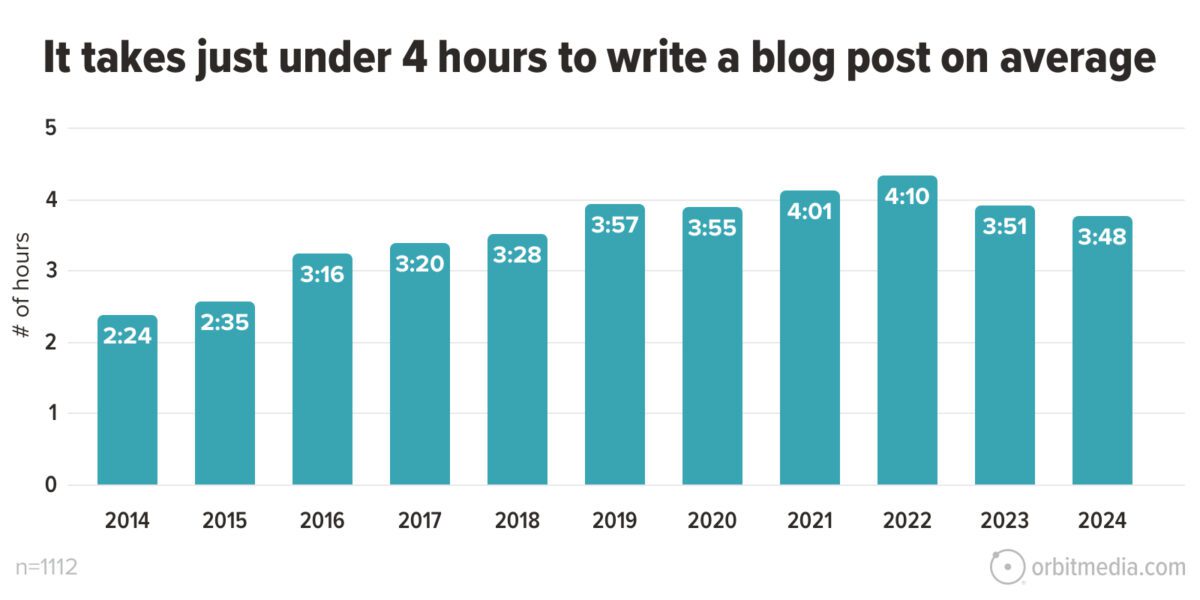
The Evolution of Effort: The Three-Hour-and-Forty-Eight-Minute Standard
One of the most persistent myths in the age of AI is that content creation is becoming significantly faster. With tools like ChatGPT, Claude, and Gemini promising to draft, edit, and optimize articles in seconds, many expected the average time spent on a blog post to plummet.

The data suggests otherwise. According to the latest survey, the average blog post takes three hours and forty-eight minutes to write—a mere three-minute reduction from the previous year. This resilience of "human-led time" highlights a critical reality: while AI can assist in brainstorming or drafting, the heavy lifting of strategic direction, fact-checking, brand voice alignment, and original insight remains a human endeavor.
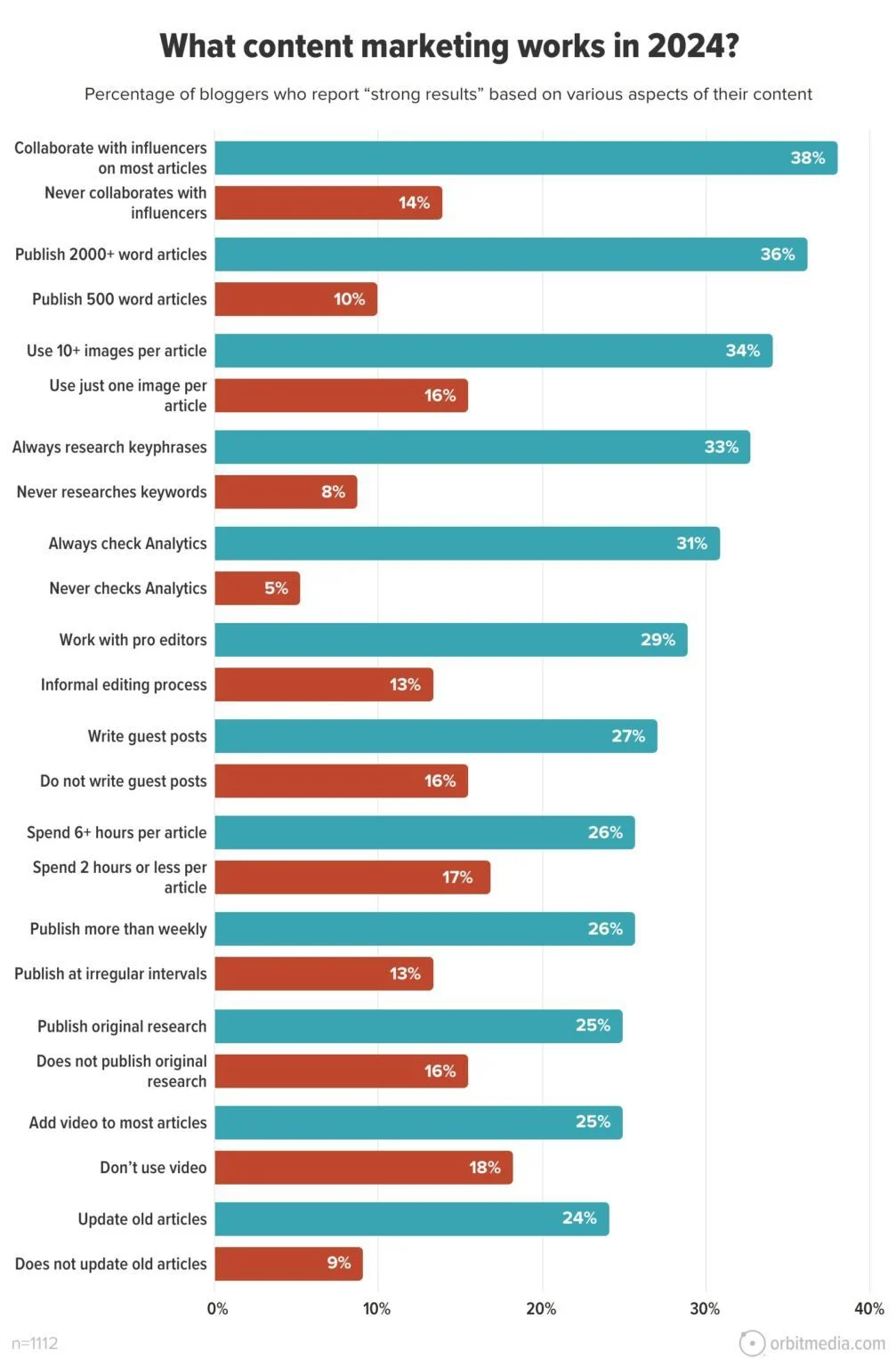
For marketing leaders, this is a signal to stop chasing volume. If your team is churning out low-effort, AI-generated fluff to hit a daily cadence, you are likely wasting resources. The research consistently shows that high-effort, long-form content (2,000+ words) is far more likely to yield "strong results" than short, superficial pieces.
The Strategic Shift: Treating Blogs Like Social Feeds
Perhaps the most significant paradigm shift suggested by the data is the need to treat your blog feed with the same rigor as your social media strategy. Social platforms have spent billions on user experience and engagement testing; marketers should treat their owned channels with the same level of sophistication.
Top-performing blogs are moving away from chronological, static content toward dynamic, audience-centric streams. This means:
- Prioritizing Value over Volume: A bi-weekly cadence is the new minimum for relevance.
- Interactivity and Engagement: Borrowing design and structural elements from high-engagement social feeds.
- Collaboration: High-performing bloggers are twice as likely to involve others, whether through guest contributions or expert interviews.
The AI Paradox: Adoption vs. Performance
We are currently in a "Gold Rush" phase of AI adoption, with usage rates among bloggers climbing from nearly 0% in 2022 to 80% in 2024. Yet, there is a distinct lack of correlation between AI usage and superior performance.
This creates an "AI Paradox": everyone is using the same tools to produce content at a similar scale. When everyone uses the same tools, the baseline quality rises, but the ability to stand out disappears. The brands winning today are not using AI to replace their creative process; they are using it as a force multiplier for human creativity. They use AI to handle the mundane (summarizing, formatting, SEO tagging) so that the human author can focus on the "secret sauce"—original research, personal experience, and deep industry storytelling.

Q&A: Insights from Andy Crestodina
To unpack these findings, we sat down with Andy Crestodina, CMO and Co-Founder of Orbit Media, whose expertise has guided marketers for over two decades.
Q: What research findings were the most surprising to you personally?
Andy Crestodina: "The data is telling us, year after year, that big efforts drive big outcomes. It’s not just a correlation; it’s a direct link. When you compare low-effort versus high-effort programs, the difference in ROI is stark. What surprises me is how many organizations continue to stick to the same low-effort, monthly, short-form cadence. If you aren’t doing research, aren’t collaborating with influencers, and aren’t incorporating multimedia like video or audio, you should set your expectations low. The data doesn’t lie—you get out exactly what you put in."

Q: The report notes that bloggers who produce audio content are twice as likely to report strong results. Why?
Andy Crestodina: "It tracks perfectly with the theme of ‘extra effort.’ A podcaster isn’t just typing into a CMS; they are hosting, interviewing, editing, and producing. That process inherently involves collaborating with guests and creating original, non-textual value. They are doing the hard things that most bloggers avoid. While the sample size of podcasters in our survey is smaller than the general population, the performance gap is undeniable. It’s a proxy for a higher-level content strategy."
Q: With traffic from search engines declining, how should we define "success"?

Andy Crestodina: "The most visible metrics—like traffic—are often the least important. We are seeing a shift where ‘zero-click’ searches and reduced search visibility are becoming the norm. Marketers need to stop obsessing over vanity metrics and focus on bottom-of-the-funnel outcomes.
The most important outcomes are often the hardest to measure: word-of-mouth, top-of-mind brand awareness, and lead quality. An article might have low traffic, but if it converts one high-value client or is shared by a key industry leader, it has done its job. We need to lean into those indirect, high-value benefits."
Implications for 2025: From Traffic to Visibility
As search traffic becomes more unpredictable, the "rented land" vs. "owned land" debate has shifted. Crestodina advocates for a hybrid approach.

"Years ago, I followed the dogma: ‘Don’t build on rented land,’" Crestodina explains. "But when I noticed the reach of LinkedIn newsletters, I decided to break that rule. We launched a newsletter on LinkedIn, and while our website traffic hasn’t spiked, our brand visibility has exploded. We went where our audience was, and the platform rewarded us. For B2B brands in 2025, launching a LinkedIn newsletter is my #1 recommendation."
Tactical Recommendations for Marketing Leaders:
- Stop Measuring Just Traffic: Audit your content based on assisted conversions and lead quality rather than just page views.
- Audit Your Cadence: If you cannot commit to at least a bi-weekly cadence of high-quality content, consolidate your efforts into a monthly "hero" piece that includes original research or data.
- Prioritize Collaboration: Make every piece of content a collaboration. If you are writing a piece on a specific industry topic, include quotes from three experts. This builds reach and credibility simultaneously.
- Embrace Multimedia: The data is clear—text-only blogs are struggling. If you aren’t integrating video or audio into your content workflow, you are at a competitive disadvantage.
- Use AI for Efficiency, Not Strategy: Automate the repetitive tasks of content production so your team can spend their time on the elements that only humans can provide: perspective, empathy, and strategic insight.
Conclusion
The 11th Annual Blogger Survey serves as a necessary wake-up call for the industry. We are exiting the era of "content for the sake of SEO" and entering the era of "content for the sake of connection."
The barriers to entry have never been lower, but the barriers to excellence have never been higher. As Andy Crestodina rightly points out, there is no shortcut to building a brand. By focusing on high-effort content, leveraging distribution platforms where the audience already lives, and measuring what actually matters, marketing leaders can navigate the shifting sands of the digital landscape and continue to build sustainable, high-performing content engines.