The State of Digital Marketing: Platform Updates, AI Workflows, and High-Retention Content Strategies
As the digital landscape evolves at a blistering pace, marketers are forced to continuously adapt to shifting platform architectures, new generative artificial intelligence (AI) tools, and rapidly changing consumer behaviors. From Meta and TikTok rolling out advanced agentic AI advertising frameworks to Instagram expanding its creative toolkits, staying ahead of the curve requires an operational shift.
This comprehensive briefing outlines the most critical digital marketing insights, platform developments, and strategic takeaways. Designed to keep professionals prepared for the weeks and months ahead, this review explores actionable tactics for LinkedIn trust-building, YouTube viewer retention, and major ecosystem changes across Meta, Reddit, and TikTok.
Main Facts: The Evolving Digital Marketing Ecosystem
The digital marketing landscape is undergoing a structural transformation driven by two massive forces: the widespread implementation of agentic AI across major social networks and a renewed emphasis on native, high-retention content formats.
Key developments shaping the industry include:

- Agentic AI Expansion: Major platforms—including Meta and TikTok—are deploying conversational, autonomous AI tools capable of managing end-to-end advertising campaigns, audience discovery, and in-conversation checkouts.
- LinkedIn Trust Optimization: Marketers are leveraging direct LinkedIn recommendation URLs to construct verifiable "trust loops" that outperform traditional anonymous website reviews.
- YouTube Long-Form Durability: Industry experts emphasize that deep, long-form YouTube content focused on audience retention outperforms transient short-form video when it comes to generating multi-year customer acquisition pathways.
- Cross-Platform Creative Interoperability: Platforms like Instagram are breaking down silos between their companion apps, introducing new features such as Threads post-sharing to Stories and expanded carousel creation workflows within the Edits application.
Chronology: Key Platform Updates and Rollouts
Over the past few weeks, a wave of feature rollouts and strategic shifts has hit the major social ecosystems. Here is the chronological progression of notable updates:
- Mid-April: Instagram expanded its Edits app beyond video-focused editing, introducing a comprehensive carousel workflow that allows creators to mix photos, videos, custom layouts, and reusable cutout stickers.
- Late April: Meta announced a massive suite of AI-powered advertising tools at Advertising Week New York. The rollout included expanded access to Ads Creative Studio, conversational business assistant capabilities, natural-language audience discovery, and generative video features.
- Early May: Reddit strengthened its B2B and lead-generation toolset by launching automated Max campaigns, intent-based targeting categories, and deeper CRM integrations to seamlessly bridge ad engagement with pipeline performance.
- Mid-May: Instagram introduced a dedicated Threads sticker for Stories, enabling users to embed previously liked or saved Threads posts directly into their visual stories.
- Late May: TikTok unveiled comprehensive updates integrating agentic AI across its entire commercial ecosystem, introducing features like Buy Direct, Shopping Assistant, Agentic Leads, and the TikTok Ad Network.
Supporting Data and Strategic Frameworks
To navigate these platform shifts effectively, marketers must deploy rigorous, data-informed frameworks. Below are deep dives into three core strategies highlighted by industry leaders.
1. Building a LinkedIn "Trust Loop"
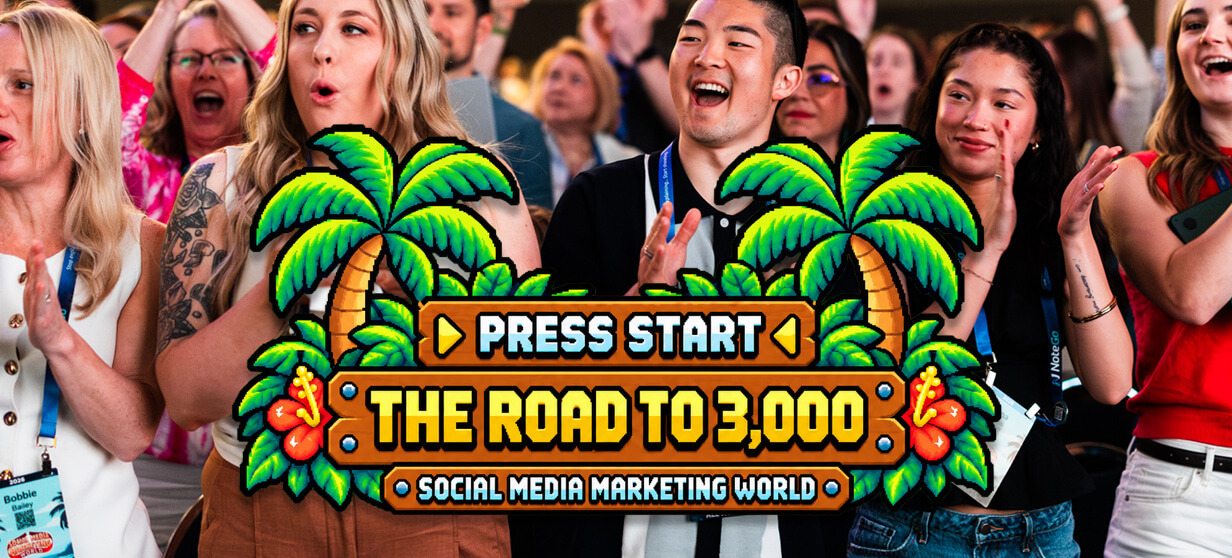
In an era dominated by synthetic content and AI-generated copy, trust is the ultimate currency. During Social Media Marketing World, strategist Judi Fox highlighted a powerful method for vetting: utilizing direct LinkedIn recommendation URLs.
- The Problem: Many brands scatter their testimonials across fragmented website widgets, third-party review sites, and social media channels. This makes it cumbersome for potential high-ticket clients to verify credibility.
- The Solution: Direct prospects to your verified LinkedIn recommendations section.
- The Data-Backed Rationale: LinkedIn recommendations carry significantly higher trust weights than standard website testimonials because every recommendation is immutably tied to a real person’s verified profile, job title, and professional history. Because AI cannot easily fabricate this complex chain of digital verification, prospective clients treat LinkedIn recommendations as inherently more credible than anonymous reviews.
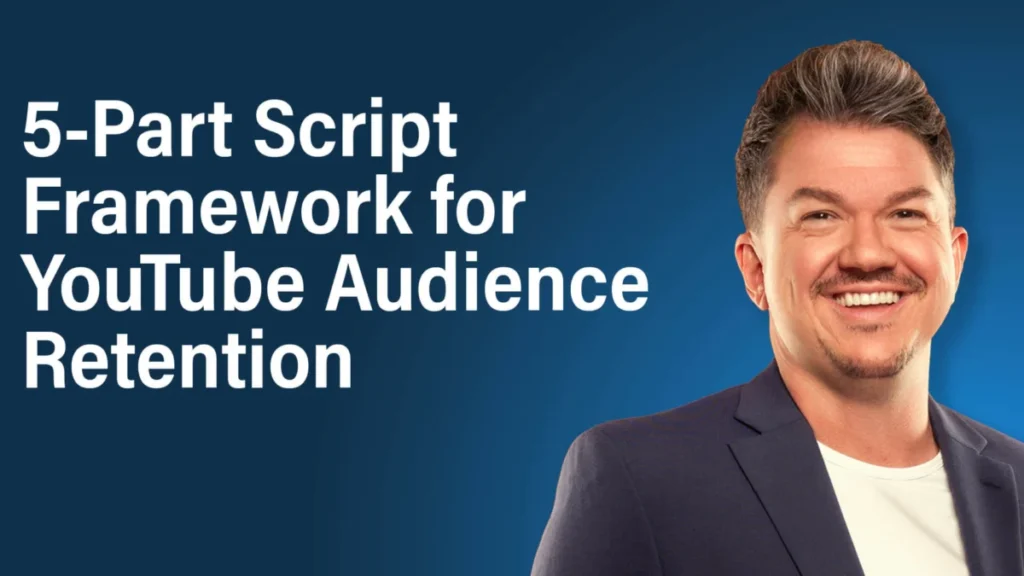
2. Mastering YouTube Retention with Adam Ivy
While short-form video dominates top-of-funnel discovery, Adam Ivy, founder of the YouTube Revenue Lab, notes that long-form content engineered for retention delivers compound returns over years, acting as a tireless customer acquisition engine.
High-retention video architecture relies on several precise execution pillars:
- Focused Attention vs. Distracted Scrolling: Prioritize depth of engagement over raw view counts. A smaller cohort of hyper-focused viewers yields a far higher conversion rate than millions of casual scrollers.
- The High-Stakes Opening: Open with an immediate emotional hook. Build intrigue and tension without revealing the payoff too early. Establish empathy by proving you understand the viewer’s exact pain point within the first few seconds.
- Seamless Transitions: Avoid predictable or rigid formatting tricks—such as heavily numbered step-by-step lists—which can cause viewers to disengage prematurely. Instead, use natural narrative bridges that keep audiences watching longer than they initially planned.
- Frictionless CTAs and Momentum: Integrate calls to action organically (such as soft-mentioning a lead magnet) without breaking audience trust. Conclude videos rapidly with forward momentum rather than long, drawn-out goodbyes, directing viewers straight into your channel’s next piece of content.
3. Practical AI Workflows for Marketers
Generic prompt engineering no longer provides a competitive advantage. The marketers winning today are those who construct multi-tool operational workflows that shave hours off recurring tasks.
Real-world testing by digital media teams demonstrates how to pair AI tools effectively:
- Task Automation: Train an AI assistant on your feedback loops so that when a scheduling or content distribution error occurs, the AI corrects the post and updates its own operational skill file, reducing future manual input to a single command.
- Cross-Tool Collaboration: Combine the strengths of different large language models (LLMs). For instance, when a text-based model like Claude lacks native audio processing capabilities, have it coordinate with Gemini to analyze audio files, review music tracks, and select the ideal background score for video content.
Official Responses and Platform Statements
As features expand, platform leadership continues to offer transparency regarding technical hurdles and strategic goals.
- Adam Mosseri on Instagram’s Interface Challenges: Addressing native iOS development, Instagram Head Adam Mosseri noted that while Apple’s native tab bar now supports images—solving an old design hurdle for Instagram—technical obstacles remain. Specifically, iOS 26 presented challenges regarding video-related color effects, the inability to retract the native bar during scrolling, and unintended tab switching via swipe gestures. Mosseri highlighted that upcoming software iterations (such as iOS 27) are expected to resolve these lingering color-rendering issues.
- Meta’s Vision for Conversational Commerce: Commenting on the rollout of agentic AI advertising tools, Meta executives emphasized that shortening the path from product discovery to purchase is paramount. By integrating direct checkouts within Meta AI, Muse, and Meta Business Agent experiences, the company aims to transform passive social media scrolling into an immediate, conversational point of sale.
Implications for the Industry
The convergence of agentic AI, cross-platform integration, and rigorous content strategies signals a definitive end to "spray-and-pray" digital marketing.
- Efficiency is Table Stakes: With AI agents now capable of managing campaign creation, audience discovery, and lead qualification conversationally, human marketers must elevate their value from mechanical execution to high-level strategic oversight and creative direction.
- Verification Trumps Volume: As synthetic media proliferates, platforms and consumers alike are placing a premium on authenticated identity and verifiable trust markers—evidenced by the rise of LinkedIn trust loops and verified professional profiles.
- Ecosystem Consolidation: Meta, TikTok, and Reddit are rapidly building self-contained operational loops—from initial ad impression to in-conversation checkout and automated CRM routing. Marketers must learn to integrate these native tools into their existing tech stacks or risk falling behind agile competitors who automate the entire conversion funnel.