The Trojan Horse in Your Living Room: How Generic TV Boxes Are Fueling a Global Ad-Fraud Empire
For years, cybersecurity experts have issued dire warnings regarding the perils of “too good to be true” streaming hardware—those inexpensive, generic TV boxes that promise unlimited access to premium content for a single, low-cost fee. While the immediate concern was often focused on copyright infringement or potential malware, a groundbreaking investigation by the security firm Bitsight has unveiled a far more insidious reality: these devices are not just gateways to illicit media; they are active, unwilling participants in a sophisticated, global digital fraud operation.
According to new research, tens of thousands of these streaming sticks are secretly harvesting user internet bandwidth and spoofing their identities to mimic mobile devices. This creates a massive, automated “botnet” designed to defraud advertisers and merchants by clicking on AI-generated advertisements, siphoning millions of dollars from the digital economy.
The Anatomy of the Fraud: A Digital Puppet Master
At the center of this discovery is Pedro Falé, a lead threat researcher at Bitsight. Falé’s investigation began when he managed to register an expired domain name—a domain previously used for "telemetry" by the H96 brand of streaming devices. Telemetry is standard in modern electronics, typically used to send hardware performance data back to the manufacturer. However, once Falé gained control of the domain and began inspecting the incoming traffic, he realized the data was anything but routine.

The devices were reporting a wide array of hardware information, but with a glaring discrepancy: while the physical hardware was a TV streaming box, the devices were reporting themselves to the network as mobile phones from major manufacturers like Samsung, Vivo, Huawei, and Xiaomi.
“We noticed something was wildly wrong,” Falé noted in an interview. “Multiple devices reporting to this factory Android TV Box backdoor were claiming to be mobile phones.”
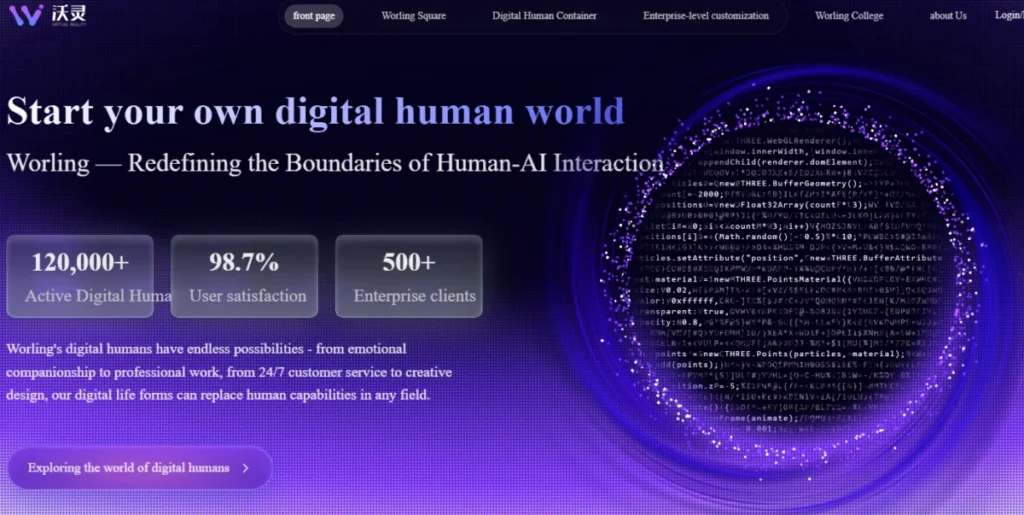
By digging deeper into the firmware, Bitsight identified two specific applications pre-installed on the H96 devices. These apps were traced back to a mainland China-based entity known as Zhejiang Fengwo IoT Technology Ltd, operating under the umbrella of the "Fengwo Group."

Chronology of an Investigation
The timeline of this discovery highlights the sophistication of the operation:
- 2019: Zhejiang Fengwo IoT Technology Ltd is founded in mainland China. The company begins developing a portfolio of ad-publishing tools and, as patent filings would later reveal, the very mechanisms used to spoof device identities.
- Early 2026: Bitsight begins a deep-dive analysis into the H96 product line following reports of unusual, high-volume traffic patterns originating from residential IP addresses.
- Mid-2026: Researchers identify a specific domain—fwgcloud[.]com—as the command-and-control hub. They observe the domain collecting telemetry and issuing commands to H96 devices worldwide.
- July 2026: Bitsight publishes its findings, revealing that approximately 38,000 devices were actively phoning home to this domain, generating an estimated $50,000 in fraudulent revenue per day for the operators.
Supporting Data: The Mechanics of Deception
The sophistication of the Fengwo Group’s operation lies in its automation and its ability to evade detection. The researchers discovered that the Fengwo Group uses a visual programming language called Blockly—originally developed by Google to teach children how to code—to allow low-skilled operators to build sham websites.
These websites are populated with machine-generated content spanning everything from health and finance to gaming and food blogs. Crucially, these sites are designed to be invisible to normal human traffic; they only display advertisements when the visiting device "spoofs" a mobile phone profile.

Bitsight’s report details how the system works:
- Selection: A central server selects an idle TV box to perform a task.
- Instruction: The box is sent a Blockly-generated JavaScript module.
- Execution: The box silently launches a web browser, navigates to the target site, and interacts with the page, including clicking on ads.
- Verification: To ensure the clicks appear legitimate, the system uses "vision and reasoning" models that allow the bot to identify ad locations and navigate the page with human-like behavior, effectively bypassing standard fraud-detection algorithms used by major ad networks.
Perhaps most devious is the device’s "dual-mode" operation. Bitsight discovered that the devices monitor the HDMI signal from the television. If the TV is on—suggesting the user is watching content—the device acts as a "residential proxy," renting the user’s internet connection to third-party services. When the TV is turned off, the device switches to its primary task: aggressive ad fraud. This ensures the fraud is hidden from the owner and does not degrade the streaming experience, preventing the user from becoming suspicious.
Official Responses and Industry Implications
The implications of this discovery are profound. Despite repeated warnings from the FBI—which has explicitly alerted the public to the risks of IoT devices facilitating criminal activity—major retailers like Amazon, Best Buy, and Newegg continue to stock and sell these uncertified, off-brand streaming boxes.

When contacted for comment, the Fengwo Group proved unreachable. An attempt by KrebsOnSecurity to reach their support email resulted in a bounce-back notice, stating that the mailbox was either full or receiving too much traffic—a fittingly chaotic end to a company built on digital noise.
Security experts are now calling for a more rigorous certification process for smart devices. "The problem is that these devices are inherently insecure," says one industry consultant. "They lack basic authentication, they ship with root-level access, and they are designed from the ground up to be exploited."
Implications for the Consumer
For the average consumer, the message is stark: convenience comes at a hidden price. Using a "dirt-cheap" streaming box often means that you, the user, are the product. Your home network is being turned into a proxy node for cybercriminals, and your hardware is being used to commit large-scale financial fraud.

The risks are not limited to streaming boxes alone. As noted by the security service Synthient, residential proxy software has been found in various IoT devices, including digital photo frames and smart home sensors. The "Kimwolf" botnet, which recently enslaved millions of devices, demonstrated just how quickly these vulnerabilities can be weaponized.
Recommendations for Security:
- Stick to Name Brands: Avoid generic boxes found on marketplaces without clear manufacturer support or Google Play Protect certification.
- Audit Your Network: Use network monitoring tools to see if your IoT devices are communicating with unknown or suspicious domains.
- Check for Certification: Follow official Google support documentation to ensure your Android TV device is legitimate and certified.
- Isolate IoT Devices: If possible, place smart home devices on a separate "guest" Wi-Fi network to limit their ability to interact with your primary computers and sensitive data.
The Bitsight report concludes with a sobering reflection on the scale of the operation. While 38,000 devices were identified in this specific sweep, the Fengwo Group claims to have access to 120,000 "AI digital humans"—a figure that may be marketing puffery, or, more likely, a hint at the true, massive scale of their infrastructure. As the internet becomes increasingly populated by AI-generated content and automated bots, the line between legitimate traffic and synthetic fraud is blurring. For now, the safest path for consumers is to remain skeptical of "unlimited" promises and to prioritize security over bargain-bin pricing. Your living room is no longer just a place for entertainment; in the age of the IoT, it is a frontline in the war against digital fraud.