The Unified Vision: Why Holistic Marketing is the New Standard for Sustainable Growth

In the hyper-competitive digital ecosystem of the 2020s, businesses are increasingly finding that fragmented marketing efforts—where social media, email, SEO, and affiliate programs operate in silos—are no longer sufficient. To thrive, companies are shifting toward holistic marketing, a strategic philosophy that aligns every facet of a business to deliver a singular, cohesive brand experience.
By treating the organization as an interconnected ecosystem, holistic marketing ensures that internal operations, customer relations, and societal commitments function in harmony. This approach is not merely a branding exercise; it is a fundamental business necessity for companies looking to foster long-term loyalty and achieve scalable, sustainable growth.
The Core Dimensions of Holistic Marketing
Holistic marketing is defined by its refusal to compartmentalize. While traditional models often separate departments into distinct "swim lanes," the holistic approach integrates three primary dimensions: Internal Marketing, Relationship Marketing, and Societal Marketing.
1. Internal Marketing: The Brand Starts Within
A company’s brand identity is only as strong as its team’s belief in it. Internal marketing focuses on aligning employees and partners with the company’s vision and values. When staff members—from customer support representatives to affiliate managers—fully understand the company’s "why," they become authentic brand ambassadors. If an employee cannot articulate the brand’s promise, they cannot effectively sell it to the market.
2. Relationship Marketing: Beyond the Transaction
The goal of relationship marketing is to shift the focus from a one-time sale to a lifetime of engagement. By nurturing deep connections with customers, suppliers, and affiliate partners, businesses transform transient buyers into loyal advocates. This dimension recognizes that an affiliate who feels like a valued partner will work harder to promote a brand than one treated merely as a source of traffic.
3. Societal Marketing: Purpose-Driven Growth
Modern consumers are increasingly discerning, favoring brands that demonstrate ethical practices and social responsibility. Societal marketing integrates philanthropic and ethical initiatives into the business model. Whether it is through sustainable supply chains, community outreach, or charitable donations, these efforts do more than improve public image; they build the deep-seated trust required for long-term customer retention.
Key Components: Synchronizing the Business Engine
For a holistic strategy to succeed, it must be supported by five interconnected components that ensure consistency and operational excellence.
The Customer-Centric Approach
Every strategy begins and ends with the customer. A customer-centric mindset involves anticipating user needs before they are articulated. This is particularly vital in affiliate marketing, where high-quality publishers will vet a brand’s landing page and checkout process before agreeing to promote it. If the user experience is disjointed or frustrating, the affiliate will walk away.

The Integrated Marketing Mix
Consistency is the bedrock of brand identity. An integrated marketing mix ensures that the tone, visual identity, and core message remain constant across all channels. When a brand’s social media presents a "luxury" aesthetic while its email marketing feels "budget-conscious," it creates cognitive dissonance for the consumer. Holistic marketing mandates that logos, brand voice, and value propositions are identical, regardless of the touchpoint.
Data-Driven Decision Making
Holistic marketing is not a guessing game. By leveraging advanced analytics, companies can map the customer journey, identify friction points, and optimize campaigns in real-time. Data serves as the connective tissue that allows departments to collaborate based on facts rather than internal assumptions.
The Tangible Benefits of a Unified Strategy
Adopting a holistic framework offers measurable advantages that transform organizational efficiency and bottom-line performance.
Operational Efficiency
By breaking down departmental silos, companies eliminate redundant tasks and optimize resource allocation. When sales, marketing, and customer service teams share a unified objective, they stop competing for internal attention and start supporting each other’s goals.
The "Affiliate Advantage"
One of the most significant benefits is the impact on affiliate program growth. Affiliates are the ultimate "brand auditors." They prefer to partner with companies that offer high conversion rates, reliable customer service, and a clear brand identity. A company that practices holistic marketing naturally becomes a preferred partner, leading to better-qualified traffic and a "snowball effect" of performance-driven revenue.
Enhancing Brand Equity
Consistency across all channels imprints a brand’s message into the buyer’s subconscious. When a customer receives the same high-level service from an advertisement as they do from an affiliate blog or a customer service interaction, their trust in the brand deepens. This trust is the ultimate barrier to entry for competitors.
Case Study: Apple’s Holistic Dominance
Apple remains the gold standard for holistic marketing. Its brand identity is meticulously curated, ensuring that every touchpoint—from the minimalist packaging of an iPhone to the sophisticated design of an Apple Store—communicates the same message of innovation, privacy, and accessibility.
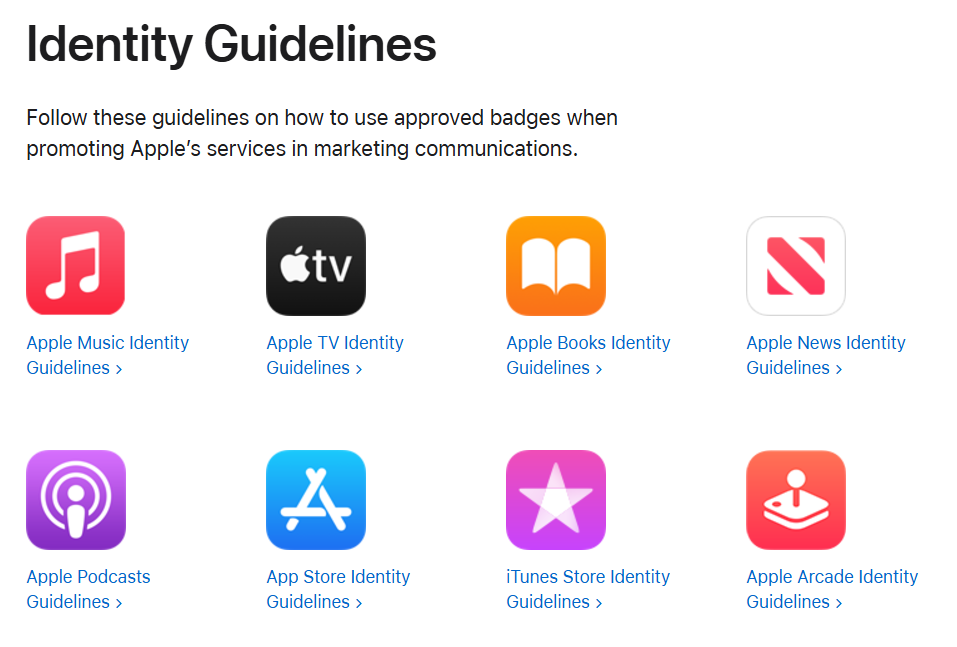
Apple extends this philosophy to its Services Performance Partners Program. By providing clear, rigorous brand guidelines, Apple ensures that its affiliate partners act as an extension of the brand itself, rather than external promoters. Their commitment to societal values, such as environmental sustainability and inclusion, is woven into their internal corporate culture and external marketing campaigns. This alignment makes Apple’s marketing feel authentic rather than performative, a feat few companies have managed to replicate at a global scale.
Implementation: A Roadmap for Success
Transitioning to a holistic marketing model requires a disciplined, step-by-step approach.
- Define SMART Goals: Establish Specific, Measurable, Achievable, Relevant, and Time-bound objectives. Ensure these goals are transparently communicated to every department.
- Map the Audience: Develop deep buyer personas and share these insights with all stakeholders, including affiliate partners. This ensures that every piece of content created is optimized for the intended audience.
- Cross-Departmental Synchronization: Create internal forums where marketing, PR, and customer service teams can review upcoming campaigns. This prevents conflicting messaging and fosters collaboration.
- Leverage Technology: Invest in CRM and analytics platforms that provide a single view of the customer. Use this data to refine the customer journey continuously.
- Audit Regularly: Periodically evaluate all brand touchpoints to ensure they reflect current brand values and performance standards.
The Future: Innovation and Ethical Responsibility
As we look toward the future of marketing, two factors stand out: the rise of Artificial Intelligence (AI) and the increasing demand for corporate sustainability.
AI and machine learning are already revolutionizing how businesses personalize interactions at scale. In a holistic context, AI should not be used to "blast" content to consumers, but to ensure that the right consistent message reaches the right person at the right time. Furthermore, as sustainability moves from a "nice-to-have" to a "must-have," companies will need to prove their environmental and social commitments through actions, not just words.
Conclusion: The Path to Long-Term Prosperity
Holistic marketing is not a temporary trend; it is the necessary evolution of commerce in a digital age. It represents the difference between a company that sells products and a brand that builds a community.
Like a patient seeing multiple specialists for their health, a business needs its "organs"—marketing, sales, HR, and partnerships—to communicate. Without a unified, holistic plan, these departments may inadvertently work against one another. By fostering communication, teamwork, and a singular, customer-centric vision, companies can navigate the complexities of the modern marketplace.
In an era where consumer attention is fragmented and competition is relentless, holistic marketing is the path to survival. It is the strategy of the future, designed for those who understand that to grow the whole, every piece must work in concert.