Toyota Innova Hycross Facelift Spotted: Is a Major Overhaul on the Horizon?
By Lakshya Rana
Published: July 13, 2026 | Updated: July 13, 2026
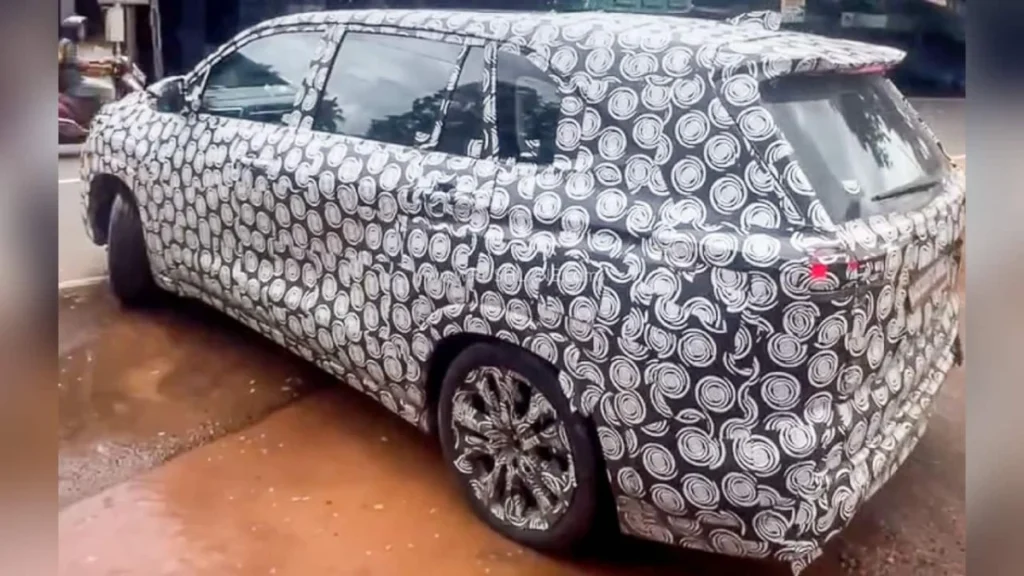
The automotive landscape in India is bracing for a significant shift as fresh reports and spy imagery confirm that Toyota is actively testing a facelifted version of its flagship MPV, the Innova Hycross. Despite the vehicle being shrouded in heavy, multi-layered camouflage from front to rear, the silhouette and the intensity of the testing suggest that Toyota is not merely tinkering with cosmetic elements. Industry experts believe this mid-life update could introduce substantial revisions to the platform’s efficiency, cabin technology, and safety suite.
The Spotted Test Mule: Decoding the Camouflage
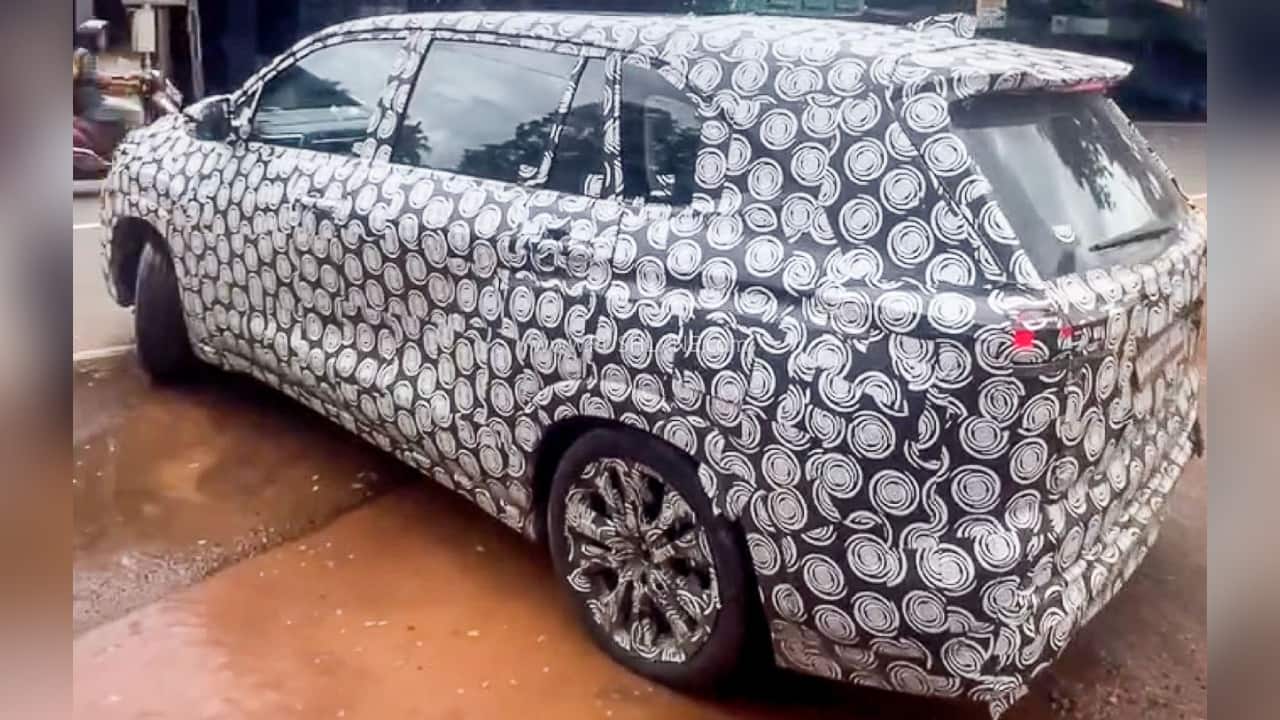
The recent sighting of the camouflaged Innova Hycross has set the automotive community abuzz. While manufacturers typically use minimal vinyl wraps for minor aesthetic updates, this particular test mule features extensive concealment. The heavy cladding hides the front fascia, side profile, and rear lamp clusters, hinting at a comprehensive design rethink.
Observers have noted that the front bumper and grille appear to have been reshaped, potentially moving toward a sharper, more aggressive design language consistent with Toyota’s newer global SUV lineup. The camouflage also extends to the rear, suggesting that the taillight signatures might receive an LED overhaul, possibly introducing a more sophisticated, connected-light motif that has become a staple in the premium segment.
Chronology: The Evolution of the Hycross
To understand the significance of this impending facelift, one must look at the trajectory of the Innova brand.
- Late 2022: Toyota officially unveils the Innova Hycross in India, marking a monumental shift from the ladder-frame chassis of the Innova Crysta to the TNGA-C (Toyota New Global Architecture) monocoque platform. This move prioritized passenger comfort, fuel efficiency, and modern hybrid technology.
- 2023-2024: The Hycross cements its position as the segment leader, with demand consistently outstripping supply. The strong hybrid powertrain becomes the gold standard for large MPVs in India.
- 2025: Toyota focuses on optimizing the manufacturing process to reduce the massive waiting periods that plagued the vehicle since launch.
- Mid-2026: The sighting of the test mule marks the first major developmental milestone for the facelift. This timeline aligns with Toyota’s typical three-to-four-year product lifecycle update strategy, ensuring the model remains competitive against emerging rivals from Mahindra, Kia, and Hyundai.
Supporting Data: Why the Hycross Remains a Market Leader
The Innova Hycross has redefined the "Premium MPV" segment. Its success is anchored in two critical pillars: the 2.0-liter TNGA engine and the 5th Generation Self-Charging Hybrid System.
According to market data, the Hycross hybrid variant accounts for nearly 60% of the total bookings, indicating that Indian buyers are increasingly sensitive to fuel efficiency despite the higher initial acquisition cost. The transition to a front-wheel-drive monocoque platform provided a massive boost in interior space, specifically in the second and third rows, making it the preferred choice for both families and luxury fleet operators.
The facelift is expected to refine these existing strengths. Insiders suggest that Toyota might look into enhancing the thermal efficiency of the hybrid battery or introducing minor tweaks to the e-CVT gearbox to improve low-end torque—a critical requirement for an MPV that is often fully loaded.
Potential Upgrades: What Should We Expect?
While the exterior is currently a guessing game, the interior and technical specifications are likely to receive targeted upgrades to address consumer feedback.
1. Infotainment and Connectivity
The current 10.1-inch infotainment system, while functional, has been criticized for its interface speed and lack of wireless smartphone integration depth. We expect the facelift to introduce a more responsive, high-definition interface with OTA (Over-the-Air) update capabilities, a feature Toyota has been gradually rolling out globally.
2. Safety Enhancements
The Hycross is already one of the safest vehicles in its class, featuring ADAS (Advanced Driver Assistance Systems) on top-tier trims. However, with the competitive landscape evolving, Toyota may expand these features to mid-tier variants or introduce enhanced sensors for better performance in heavy rain or low-light conditions, which are common in Indian driving scenarios.
3. Interior Materiality
Toyota has faced some criticism regarding the use of hard plastics in certain cabin areas. A facelift provides the perfect opportunity to introduce soft-touch materials, improved acoustic dampening, and perhaps an updated ambient lighting suite to justify the premium price tag.
Official Stance and Market Implications
Toyota Kirloskar Motor (TKM) maintains a strict policy of not commenting on "future product strategies." However, the proactive testing of this vehicle signals a clear intent to protect its market share.
The implication of this facelift is significant. For the average consumer, it represents a continuation of the "Toyota Promise"—a balance of reliability, resale value, and technological innovation. For the competition, it is a warning shot. By refreshing the Hycross now, Toyota is preemptively striking before the next wave of electric and hybrid MPVs hits the Indian market from rival manufacturers.
The Strategic Importance of the "Mid-Life" Refresh
In the fast-paced Indian automotive market, a mid-life facelift is more than just a fresh coat of paint. It is a strategic exercise in maintaining brand equity. By integrating feedback from the past three years, Toyota aims to iron out the minor "niggles" reported by early adopters.
Furthermore, the focus on the hybrid powertrain in this facelift is consistent with Toyota’s "Multi-Pathway" approach. While the industry is obsessed with pure battery electric vehicles (BEVs), Toyota continues to argue that strong hybrids offer the most pragmatic solution for India’s current infrastructure challenges. By refining the Hycross, Toyota is doubling down on its bet that the Indian consumer will continue to prefer high-efficiency hybrids over full-EVs for long-distance travel for the foreseeable future.
Conclusion: The Road Ahead
As the testing phase progresses, we expect more details to emerge regarding the powertrain refinements and cabin ergonomics. The heavy camouflage currently concealing the vehicle is a testament to Toyota’s cautious approach to design changes—they are a brand that understands the value of an iconic silhouette and rarely makes radical departures from a winning formula.
Whether the facelift introduces a major design shift or subtle, evolutionary changes, one thing remains certain: the Innova Hycross is here to stay. As we monitor the development of this prototype, it is clear that Toyota is working to ensure that its flagship offering remains the benchmark for comfort, reliability, and efficiency. Prospective buyers currently on the fence might find it beneficial to wait and see how these updates translate into the final production model, which is expected to debut in the coming months.
Lakshya Rana leads the mobility and tech sections at Zee News Digital. With a decade of experience, he provides critical analysis on the latest trends shaping the automotive and gadget industries.