The Evolution of Ultra-Thin: Apple’s Strategic Roadmap for the iPhone Air 2
Apple has long been defined by its pursuit of the "thinner, lighter, faster" paradigm. Following the successful introduction of the inaugural iPhone Air in September 2025, Cupertino is already setting its sights on the next iteration of its ultra-slim flagship. According to a comprehensive report from Bloomberg’s Mark Gurman, Apple is deep in the development phase of the second-generation iPhone Air, internally codenamed "V62," with a scheduled debut slated for the spring of 2027.
This upcoming release signals a significant shift in Apple’s hardware strategy, balancing the aesthetic appeal of an impossibly slim chassis with the robust, multi-camera functionality that modern power users demand. As we look toward 2027, the iPhone Air 2 appears poised to redefine the "Air" branding within the mobile ecosystem, moving away from being a niche concept device and toward a mainstream high-performance staple.
Main Facts: The V62 Project
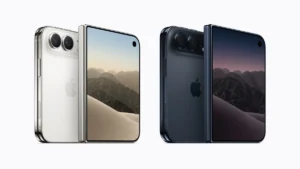
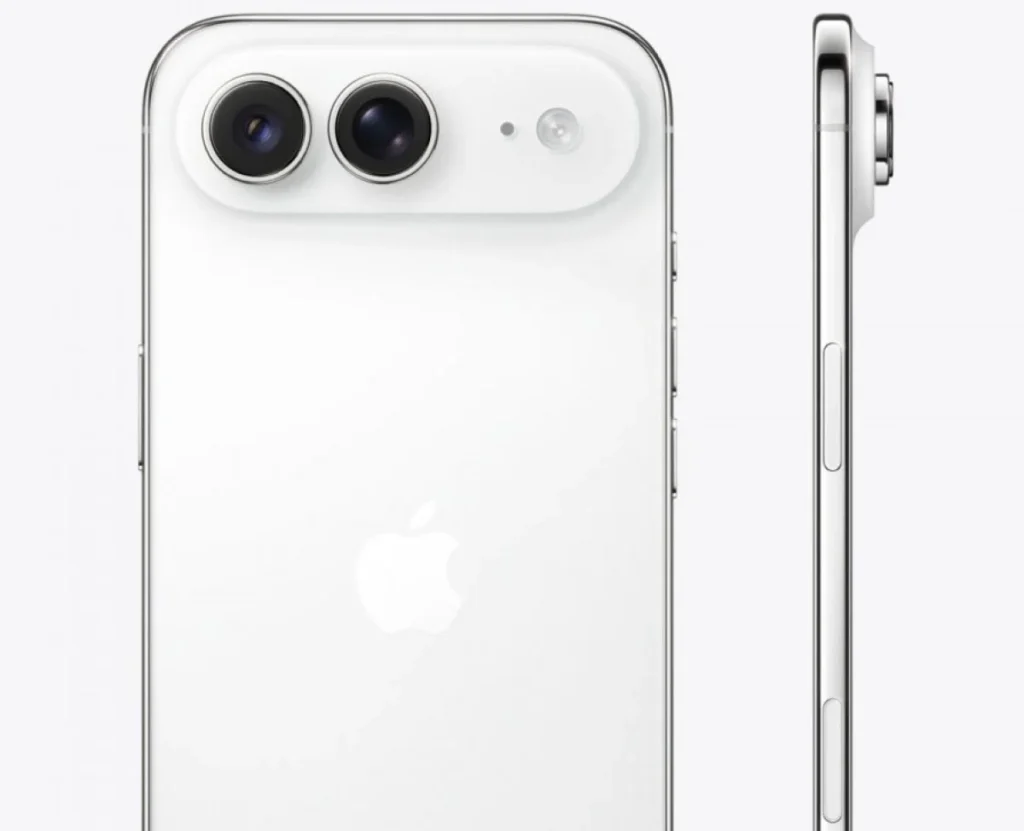
The core premise of the iPhone Air 2 is simple: preserve the groundbreaking thinness of its predecessor while resolving the primary hardware complaints that early adopters voiced. The most significant architectural change coming to the V62 model is the shift to a dual-rear camera array.
While the first-generation iPhone Air relied on a single, high-resolution primary sensor to maintain its streamlined profile, the second generation will integrate a dedicated ultrawide camera. This addition addresses the primary pain point for content creators who found the original model’s photographic versatility limited. By incorporating this secondary lens, Apple is betting that it can maintain the structural integrity of the slim frame without sacrificing the wide-angle capabilities that have become standard across the Pro and base-model lineups.
Performance-wise, the device is set to receive a significant silicon upgrade. The iPhone Air 2 is slated to be powered by the A20 Pro chip. This is a bold move, as the A20 Pro is the same high-performance silicon expected to debut in the premium iPhone 18 Pro models. By bringing the "Pro" grade silicon to the Air line, Apple is positioning the device not merely as a fashion-forward alternative, but as a top-tier performer capable of handling intense computational photography, advanced multitasking, and complex software demands.
A Chronological Perspective: From Concept to Evolution
To understand the trajectory of the iPhone Air, we must look at the timeline of Apple’s recent product cycles.
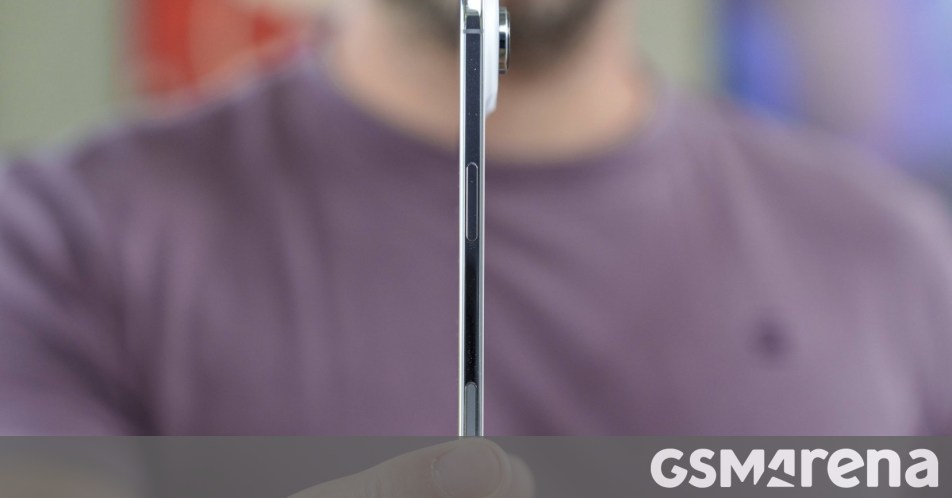
- September 2025: The world was introduced to the 1st-generation iPhone Air. It debuted with a revolutionary 5.6mm thickness, an A19 Pro chip, and a 6.5-inch ProMotion display. It was a polarizing device—hailed for its design but critiqued for its lack of a secondary camera and concerns regarding battery longevity.
- Late 2025 – Early 2026: Market reception was monitored closely. Apple identified that while the "Air" form factor attracted a specific segment of users, the lack of an ultrawide camera hindered its adoption among younger, social-media-focused demographics.
- Mid-2026: Development on "V62" hits a critical milestone. Engineering teams finalize the internal layout, focusing on optimizing the internal space for a larger battery and the additional camera module.
- Spring 2027 (Anticipated): The official launch of the iPhone Air 2. The device is expected to share the stage with the standard iPhone 18, cementing its place as a cornerstone of the spring hardware event cycle.
Supporting Data: Battery Efficiency and Hardware Constraints
One of the most persistent rumors surrounding the V62 is the improvement in battery life. In the smartphone industry, "thinner" and "better battery" are traditionally mutually exclusive. To achieve a meaningful increase in endurance, Apple is likely employing a three-pronged approach:
- Silicon Efficiency: The A20 Pro chipset is expected to be built on a more refined manufacturing process (potentially a 2nm node). This transition typically offers better performance-per-watt ratios, allowing the phone to handle heavy tasks without the thermal throttling that drains power.
- Advanced Battery Chemistry: Recent developments in stacked battery technology may allow Apple to increase energy density without increasing the physical volume of the cell. This would enable the company to keep the 5.6mm (or thinner) profile while squeezing out an additional hour or two of "screen-on" time.
- Software Optimization: Through iOS 21 (which will likely launch alongside the device), Apple is expected to implement aggressive background process management specifically tailored to the Air’s architecture, ensuring that the device prioritizes battery life during low-intensity tasks.
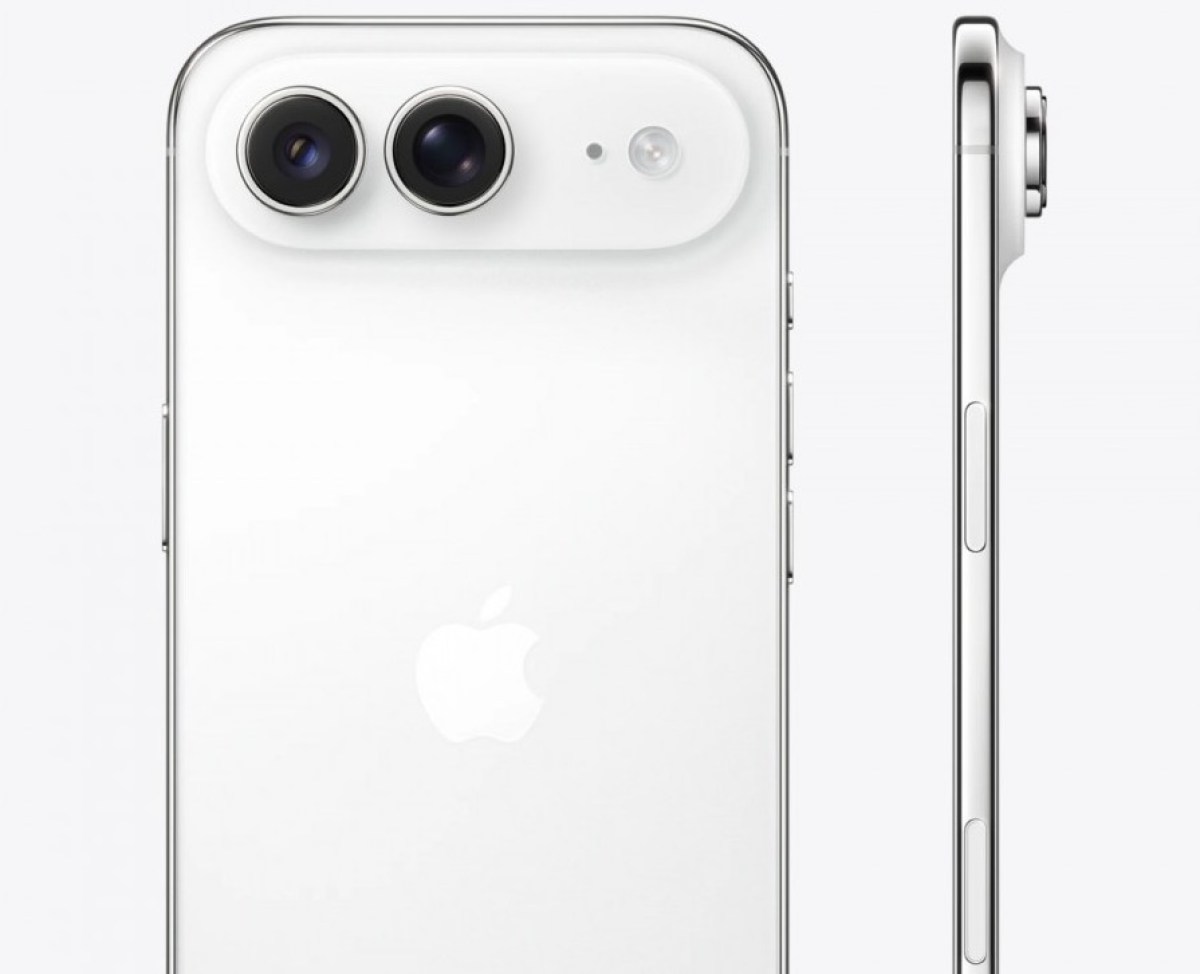
The integration of a dual-camera system is the primary challenge for the hardware engineers. The physical protrusion of lenses has been a persistent design headache for Apple. Reports suggest that the V62 will use a flattened camera island design that minimizes the "bump" while ensuring the lenses are sufficiently spaced to avoid internal interference.
Official Responses and Corporate Strategy
As is standard for Apple, there has been no official statement regarding the unreleased V62 hardware. However, the company’s recent rhetoric in shareholder meetings and product keynotes has consistently emphasized the "unification of form and function."
Industry analysts suggest that Apple’s shift to a spring launch for the Air line is a strategic move to break up the "September-only" cycle of product releases. By anchoring the Air 2 to the spring, Apple ensures a consistent stream of revenue and media attention in the middle of the calendar year, preventing the "lull" that often occurs in the tech retail sector during Q2.
Furthermore, by utilizing the A20 Pro in both the Pro models and the Air, Apple is streamlining its supply chain. Economies of scale play a massive role in Apple’s profitability; by producing fewer distinct chip architectures across their flagship range, they can optimize manufacturing yields and maintain higher margins despite the costly R&D required for the ultra-thin form factor.
Implications: What the iPhone Air 2 Means for the Market
The arrival of the iPhone Air 2 in 2027 will likely have profound implications for the smartphone market.
1. The Death of the "Compromise" Device
For years, buying a "slim" phone meant sacrificing power or camera quality. If the iPhone Air 2 succeeds with the A20 Pro and a dual-camera setup, it effectively eliminates the "compromise" category. It suggests a future where consumers no longer have to choose between a phone that looks good and a phone that works hard.
2. Setting a New Standard for Chassis Design
Competitors in the Android space, particularly those focusing on foldable devices, may find their market position challenged. If Apple can prove that a standard slate device can be both ultra-thin and feature-rich, it may dampen the consumer demand for complex, fragile folding screens, which often require thicker chassis to house hinges and batteries.
3. The Shift to Spring Hardware Cycles
If the iPhone Air 2 achieves high sales volumes, it will solidify the "Spring Event" as a major launch window for premium hardware. This would likely force competitors like Samsung and Google to adjust their product roadmaps, potentially moving away from their own traditional February/March releases to avoid direct competition with the Air.

4. Sustainability and Material Science
The thinness of the iPhone Air requires advanced materials—likely aerospace-grade aluminum or reinforced titanium alloys—that are lightweight yet rigid. The continued development of these materials for the Air line often trickles down into other Apple products, such as the MacBook Air and iPad Pro, leading to a broader company-wide advancement in materials science.
Conclusion
As we look toward 2027, the iPhone Air 2 stands as a testament to Apple’s obsession with engineering constraints. While the 1st-generation device was a proof of concept—a daring experiment in how thin a smartphone could get—the 2nd-generation model is clearly designed to be a refined, high-performance product. By incorporating the A20 Pro, expanding the camera capabilities, and focusing on battery efficiency, Apple is positioning the Air 2 to be the definitive choice for the modern, design-conscious professional.
Whether the device lives up to the lofty expectations set by the V62 rumors remains to be seen. However, given Apple’s historical ability to iterate and polish its "Air" product lines, the tech community is watching the development of this device with bated breath. In a market often criticized for stagnation, the iPhone Air 2 represents the kind of design-first innovation that reminds us why Apple remains the most influential player in the mobile landscape.