Beyond the Algorithm: Why Audience Insight Outperforms Paid Attribution
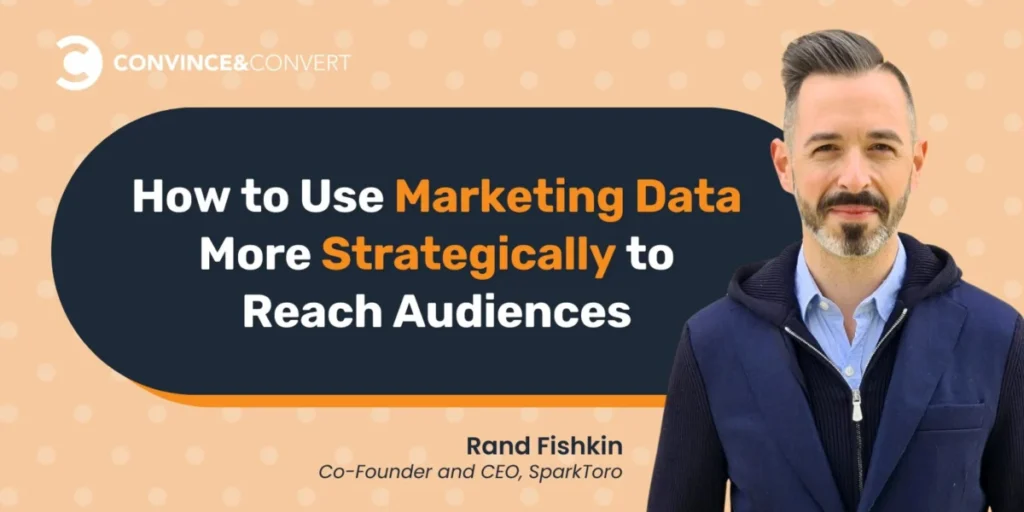
In the modern digital landscape, marketing teams are often tethered to a "safe" triad of platforms: Google Ads, LinkedIn, and Meta retargeting. These channels provide the comforting metrics that stakeholders crave—clear-cut ROI, granular attribution reports, and predictable conversion funnels. However, according to Rand Fishkin, founder of SparkToro, this obsession with measurable attribution is creating a dangerous blind spot in the modern marketing strategy.
By exclusively chasing the channels that provide the most immediate, trackable data, marketers are often ignoring where their customers actually live, learn, and form their opinions. As digital saturation hits an all-time high, the companies that will win are those that stop optimizing for algorithms and start optimizing for human behavior.
The Illusion of Attribution: Why Your Data Might Be Lying to You
The primary tension in digital marketing today lies between "measurable impact" and "actual influence." Marketers have been conditioned to worship at the altar of last-click attribution. If a user performs a Google search for a brand and clicks a paid ad, the platform takes the credit.
But as Fishkin explains on the Data-Driven Decisions podcast, this is often a superficial reading of the customer journey. "A ton of what happens in Google is actually a response to something else," Fishkin notes. "People who performed a search query… very rarely was that a spontaneous first-touch thing. It was like, ‘Oh, I heard about this software, so I went to Google and searched for it.’ The attribution looks like Google drove all the value, but Google was just the middleman."
The "Middleman" Trap
When marketers fall into the habit of viewing Google or social platforms as the primary source of demand, they fail to invest in the top-of-funnel channels that actually created that demand. If a potential customer hears about your product on an industry podcast, sees a mention in a niche newsletter, or has a conversation at a conference, they are primed to buy. When they eventually search for your brand, your ads team claims the win.
The danger is systemic: by over-investing in "easy-to-measure" channels, companies starve the very sources—niche communities, podcasts, and influencers—that are actually building brand equity and trust.
The SparkToro Philosophy: Mapping the Customer Ecosystem
The core of the issue, according to Fishkin, is a lack of audience intelligence. Most marketers know the demographics of their audience, but few understand their behavioral landscape.
SparkToro was designed to solve this by mapping where target audiences spend their time online. By identifying the specific podcasts they listen to, the websites they frequent, and the influencers they follow, companies can move away from the "spray and pray" approach of broad paid advertising.
Case Studies in Strategic Targeting
The effectiveness of this redirected approach is evident in several real-world examples:
- The Podcast Sponsorship Pivot: A podcaster seeking to increase revenue stopped guessing which guests might appeal to sponsors. Instead, they used audience data to identify influential figures within their target niche—specifically those with strong X (formerly Twitter) followings and YouTube presence. By inviting these guests, they tapped into pre-existing, loyal audiences, which in turn attracted high-value sponsors eager to reach that specific demographic.
- The Tech Event Strategy: An event organizer utilized audience data to recruit speakers who possessed "magnetic" influence. By selecting speakers whose own communities were aligned with the event’s sponsors, the organizer ensured that the event was a guaranteed success for advertisers, effectively selling the audience before the event even took place.
In both instances, the marketing spend was shifted from broad-scale advertising to relationship-building and audience-aligned content. The result? Higher engagement, lower acquisition costs, and stronger brand positioning.
Zero-Click Marketing: Building Trust Without the "Hard Sell"
One of the most radical shifts discussed by Fishkin and supported by SparkToro’s internal research is the rise of "zero-click marketing"—a term coined by Amanda Natividad.
In an era where users are increasingly averse to being "redirected" away from the platforms they enjoy, zero-click marketing encourages brands to deliver high-value, self-contained content directly on those platforms.
The Reddit Success Story: Chartr
A prime example of this is the data storytelling company, Chartr. Rather than running paid ads or creating click-bait links, Chartr focused on the Reddit community r/dataisbeautiful. They began posting high-quality data visualizations directly to the subreddit with no branding or forced calls to action.
The strategy was simple: provide value to the community. By engaging with users in their native environment, Chartr built credibility and brand recognition. When the time came for those users to seek out data storytelling services, Chartr was already "top of mind." This approach is not only more cost-effective than paid advertising; it builds a foundation of trust that a banner ad can never replicate.
The Limitations of Data: A Balanced Perspective
While data-driven decision-making is vital, Fishkin offers a crucial caveat: data is not a panacea. A common mistake in the industry is assuming that if a metric can be tracked, it must be the most important.
Where Data Fails
Data can tell you where people click, but it cannot always tell you why they are frustrated, or what they truly need from a product.
- Quantitative vs. Qualitative: Quantitative data (analytics, click-through rates) is excellent for optimizing existing funnels. However, it fails to capture the "blind spots"—such as the needs of users who aren’t currently using your app, or the cultural nuances of a new market segment.
- The Role of Customer Interviews: To bridge this gap, companies must supplement their software data with direct human interaction. Regular customer interviews provide the context that raw numbers miss, allowing marketers to move beyond the screen and understand the broader human experience of their customers.
Implications for Modern Marketing Strategy
The path forward for marketing leaders is not to abandon paid advertising entirely, but to adopt a more balanced, "responsible" approach to data.
1. Re-evaluating the Top 10%
Fishkin suggests a "stress test" for marketing budgets: "If you think to yourself, the top 10% of spend that I do at these platforms is probably bringing me no incremental customers—which is almost always the case—maybe redirect that to some more creative, thoughtful, and audience data-driven forms of marketing."
2. Prioritizing Audience Over Attribution
Move away from optimizing for the platform that gives you the best report, and start optimizing for the channels where your audience learns to solve their problems. If your audience is on a niche forum or a specific industry newsletter, that is where your brand voice should be, regardless of whether those platforms offer a clean "conversion pixel."
3. Integrating Data with Culture
As noted in Zontee Hou’s book, Data-Driven Personalization, the true value of data lies in its ability to influence company culture and cross-functional collaboration. Data should not be an isolated asset for the marketing team; it should inform product development, customer support, and sales strategies.
Conclusion: A New Standard for Marketing Excellence
The era of blind reliance on paid advertising metrics is coming to a close. As privacy regulations tighten and ad fatigue grows, the "easy" path of relying on Google and Meta attribution will yield diminishing returns.
The future of marketing belongs to those who view data as a compass, not a destination. By mapping the real-world habits of their audience, embracing zero-click engagement, and prioritizing qualitative insights alongside quantitative metrics, brands can build more than just a customer base—they can build a community.
As Rand Fishkin emphasizes, the goal is to be "data-informed, not data-dictated." By acknowledging the limitations of what data can solve, marketers can reclaim their creativity and invest their energy where it matters most: in the hearts and minds of the people they serve.