Instagram’s Living Room Evolution: Bringing the Feed to the Big Screen
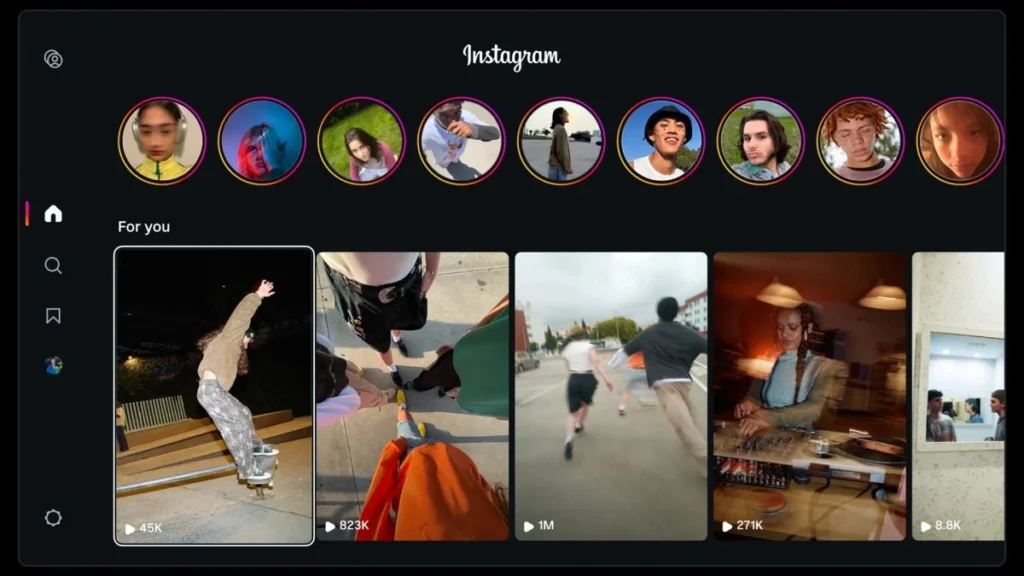
The transition from a pocket-sized mobile experience to a centerpiece of the home entertainment system is the latest strategic pivot for Instagram. As the platform continues to shift away from its origins as a static photo-sharing app toward a video-first ecosystem, its latest expansion of the "Instagram for TV" app to Samsung smart TVs marks a significant milestone in its roadmap. By bringing curated content, Reels, and immersive storytelling to the living room, Instagram is signaling a direct challenge to the traditional television viewing experience.
Main Facts: The Samsung Expansion and Beyond
Instagram has officially announced that its dedicated television application, Instagram for TV, is now available for Samsung smart TVs within the United States. Specifically, the app is compatible with Samsung models manufactured in 2020 or later. This rollout follows a deliberate, staggered expansion strategy that began late last year.
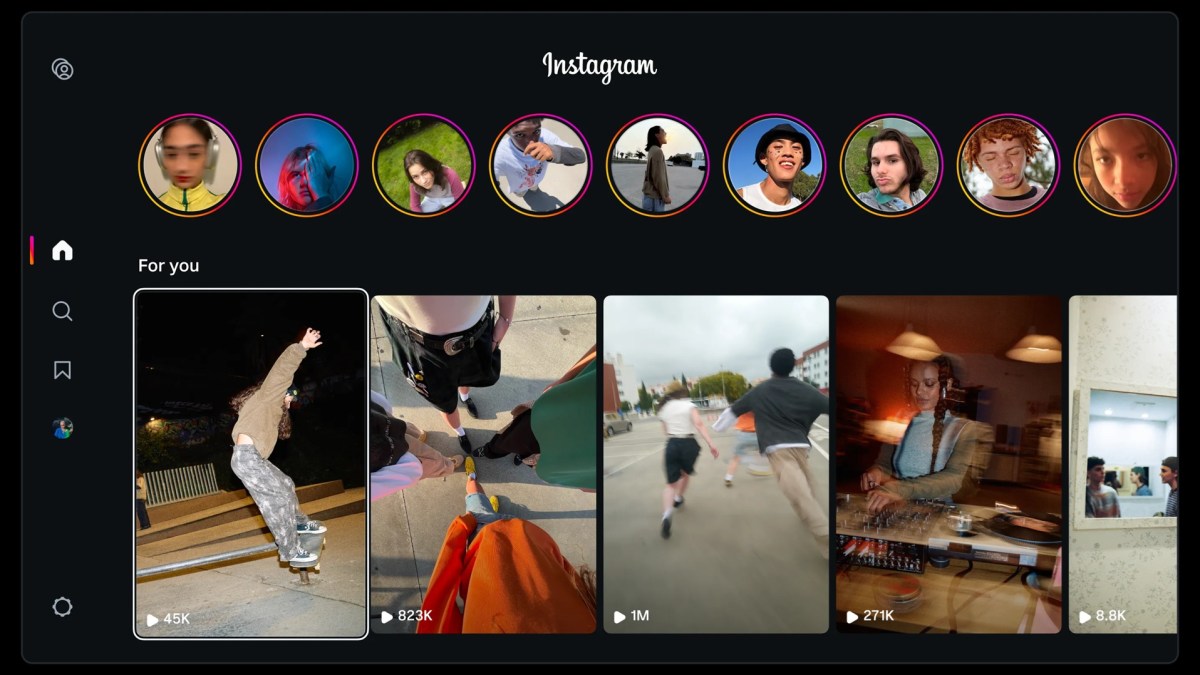
The move is not merely a platform port; it represents a fundamental rethinking of how users consume short-form video content. The Instagram for TV interface is designed to leverage the vast screen real estate of modern smart TVs, transforming the vertical, scroll-heavy experience of a smartphone into a horizontal, lean-back viewing experience. Users can now access a variety of content types, including Reels, Stories, and saved video collections, directly through their television remote, effectively turning their living room into an extension of their social feed.
Chronology: A Roadmap of Platform Growth
The trajectory of Instagram’s move into the living room has been measured and deliberate, prioritizing key hardware ecosystems before reaching the broader smart TV market.
- December 2023: The initiative officially launched with the debut of the Instagram for TV app. Initially, the service was limited to Amazon Fire TV devices within the United States, serving as a pilot program to test user engagement and interface responsiveness.
- February 2024: Building on the data gathered from the Amazon Fire TV launch, Instagram expanded its footprint to include Google TV devices. This phase focused on integrating the app into the Android-based TV ecosystem, which currently holds a massive market share in the smart TV industry.
- Mid-2024: The announcement of the Samsung TV expansion represents the most significant hardware integration to date. Given Samsung’s dominance in the global television market, this move is critical for Instagram to achieve mass-market penetration in the "living room" segment.
- The Future Horizon: Instagram has explicitly stated that it is currently in the testing phase for several "next-generation" formats, implying that the current iteration of the app is merely the baseline for a more robust, TV-optimized content hub.
Supporting Data: Why the Living Room Matters
The shift toward TV-based social media consumption is supported by broader industry trends. According to recent market analysis, the "Connected TV" (CTV) space is currently the fastest-growing segment of the digital advertising industry. As cord-cutting continues to accelerate, viewers are increasingly looking for ways to access diverse, creator-led content through their TV interfaces rather than relying solely on traditional cable programming.
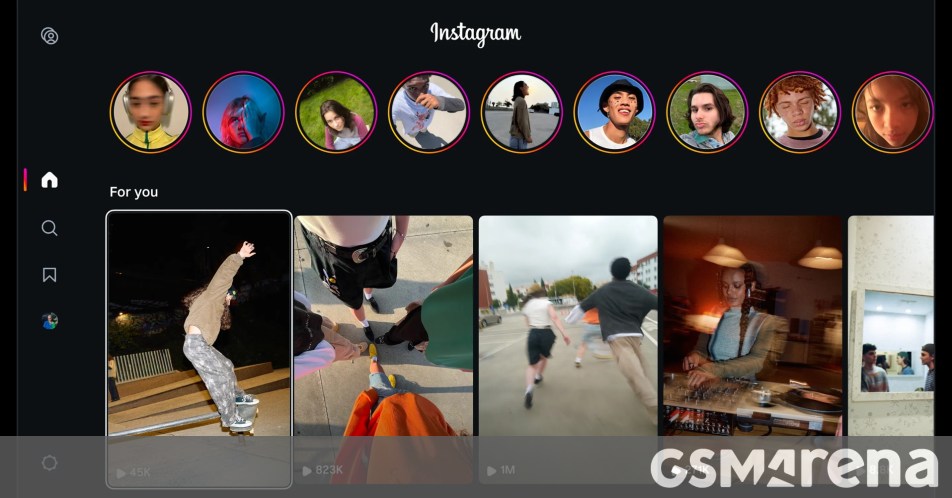
Instagram’s data-driven approach to this expansion is evident in the feature sets they are currently testing. By organizing channels around specific interests—such as comedy, sports, and niche creator categories—the app mirrors the "channel surfing" behavior that viewers have been accustomed to for decades. This familiarity is key; by making the transition from a smartphone to a 65-inch display as seamless as possible, Instagram aims to increase the "dwell time" per user, a metric that is highly valuable to advertisers.
Official Responses and Feature Testing
In their official announcement regarding the expansion, representatives from Instagram emphasized that the focus is on "making discovering, sharing, and enjoying Instagram easier with the people around you." This phrasing highlights the social aspect of the TV experience—moving Instagram from an isolating, individual smartphone activity to a communal, living-room-centered one.
Key Features Currently Under Evaluation:
- Interest-Based Channels: Rather than a chronological feed, the TV app uses algorithmic curation to group content. Users can navigate through "Comedy," "Sports," or "Creator" channels, effectively creating a personalized television network.
- Cross-Device Casting: While the core app is the focus, Instagram is testing functionality that allows users to cast Reels and videos from their "Saved" folder on their phone directly to their television. Note that this feature currently maintains parity primarily on Google TV and Fire TV platforms.
- Horizontal Video Optimization: Recognizing that mobile-first vertical video can be jarring on a horizontal television screen, Instagram is testing a dedicated home for horizontal video content. This move acknowledges that the "creator economy" is maturing, with professional creators now producing higher-quality, cinematic content that demands a TV-sized canvas.
- Stories Integration: The ability to watch Stories on a TV screen brings a sense of scale to what was previously a transient, mobile-only format.
Implications: Changing the Social Media Landscape
The implications of Instagram’s move into the living room are multifaceted, affecting content creators, users, and competitors alike.
Impact on Content Creators
For creators, this expansion is a major win. The ability to have their content showcased on a television screen provides a level of legitimacy and reach that the smartphone simply cannot replicate. It invites creators to produce higher-resolution, longer-form content. As Instagram tests dedicated homes for horizontal video, creators may find that their "TV-ready" content performs better in terms of watch time and engagement.
The Competitive Landscape
Instagram is effectively positioning itself against giants like YouTube, Netflix, and TikTok. By optimizing for the living room, Instagram is encroaching on YouTube’s territory as the premier destination for long-form and high-quality creator video. If Instagram can successfully bridge the gap between "social media" and "television," they may capture a significant portion of the advertising budget currently allocated to Connected TV (CTV).
User Behavior Shifts
The psychological shift of moving Instagram from the palm of the hand to the living room wall cannot be overstated. When a user interacts with Instagram on a TV, the context changes from "killing time" (waiting for a bus, sitting in a waiting room) to "dedicated viewing." This creates a higher bar for content quality. Users will likely demand more polished, engaging, and substantive material, which will inevitably drive the platform to prioritize high-production-value creators over low-effort, viral trends.
Looking Forward: A New Era of Social Television
As Instagram continues to explore new formats built specifically for the living room, it is clear that the platform is moving toward a hybrid model—part social network, part streaming service. The success of the Samsung integration will serve as a bellwether for how quickly the platform can iterate.
The company has indicated that it hopes to roll out its experimental, TV-first formats in the near future. These formats are expected to be more interactive, perhaps leveraging the TV remote in ways that allow for real-time engagement or deeper dives into creator profiles.
While the mobile app will undoubtedly remain the primary point of entry for the vast majority of users, the television app is no longer a niche curiosity. It is a strategic necessity. By embedding itself into the living room, Instagram is ensuring that it remains the focal point of the digital entertainment experience, regardless of the screen size. As the lines between "social media" and "television" continue to blur, Instagram is well-positioned to lead the transition into this new era of communal, screen-agnostic consumption.
Whether this transition will satisfy the core user base, who have long associated Instagram with intimacy and mobile-first spontaneity, remains to be seen. However, if the current trajectory is any indication, the future of Instagram is not just in our pockets—it is in our living rooms.