The Unified Brand: Why Holistic Marketing is the New Standard for Sustainable Growth

In the hyper-competitive digital landscape of the 2020s, the traditional "siloed" approach to marketing—where social media, affiliate management, public relations, and sales operate as independent islands—has become a liability. To thrive, modern enterprises are increasingly turning toward holistic marketing, a strategic philosophy that aligns every department and communication channel to deliver a singular, cohesive brand experience.
Whether you are looking to scale an affiliate program or solidify your market position, the holistic model is no longer a luxury; it is a necessity for long-term survival.
Main Facts: Defining the Holistic Paradigm
At its core, holistic marketing posits that a business is a single entity in the eyes of the consumer. Therefore, every touchpoint—from a customer service interaction to an affiliate’s blog post—must convey the same values, visual identity, and promise.
Unlike traditional marketing, which often prioritizes short-term conversion at the expense of brand coherence, holistic marketing emphasizes the "buyer journey" as a continuous, unified narrative. When internal operations (HR, product development, and operations) are perfectly aligned with external messaging (marketing, advertising, and affiliate partnerships), the brand becomes more than the sum of its parts. It becomes a trusted authority.
The Three Pillars of Holistic Marketing
To successfully adopt this framework, businesses must master three core dimensions:
- Internal Marketing: Ensuring every employee and partner understands and embodies the company’s vision.
- Relationship Marketing: Cultivating long-term, mutually beneficial ties with customers, suppliers, and affiliate partners.
- Societal Marketing: Operating with ethical, environmental, and social responsibility to foster deep-rooted trust.
Chronology of the Shift: From Segmentation to Synthesis
Historically, marketing evolution has moved through distinct phases. The early 20th century was defined by mass-market broadcasting. The late 20th century introduced segmentation and targeted demographics. We are now in the "Synthesis Era."
- 1990s–2000s: The rise of digital marketing saw channels fracture. Businesses hired experts for SEO, separate teams for PPC, and different agencies for social media. This led to fragmented brand identities.
- 2010s: The integration phase. Data analytics began to show that customers who interacted with a brand across multiple consistent channels had a significantly higher Lifetime Value (LTV).
- 2020–Present: The holistic era. With the advent of AI and real-time data, companies are now capable of managing a "unified customer view," allowing for seamless, personalized experiences that span across all departments.
Supporting Data: The Impact on Performance
The transition to a holistic approach is supported by clear performance indicators. According to industry analyses, businesses that enforce strict brand consistency across all channels see an average revenue increase of 23%.

Furthermore, in the realm of affiliate marketing, the data is even more compelling:
- Affiliate Trust: Top-tier affiliates perform exhaustive background checks on brands. They look for consistent messaging, high conversion rates, and a strong brand ethos. A holistic brand is perceived as a safer, more reliable partner, leading to higher-quality traffic and improved conversion rates.
- Customer Lifetime Value (CLV): When the message is consistent, the "friction" in the buyer’s journey decreases. A study of multi-channel marketing demonstrates that integrated campaigns perform 30% better in terms of customer retention compared to fragmented campaigns.
- Employee Advocacy: Companies with strong internal marketing (where employees feel connected to the brand) see higher levels of employee retention and productivity, which directly translates into better customer service experiences.
Official Perspectives: The Apple Model
The most prominent global example of holistic marketing is Apple Inc. Apple’s strategy is a masterclass in coordination. Their product design, retail store layout, website copy, and advertising campaigns all breathe the same aesthetic and ethical DNA.
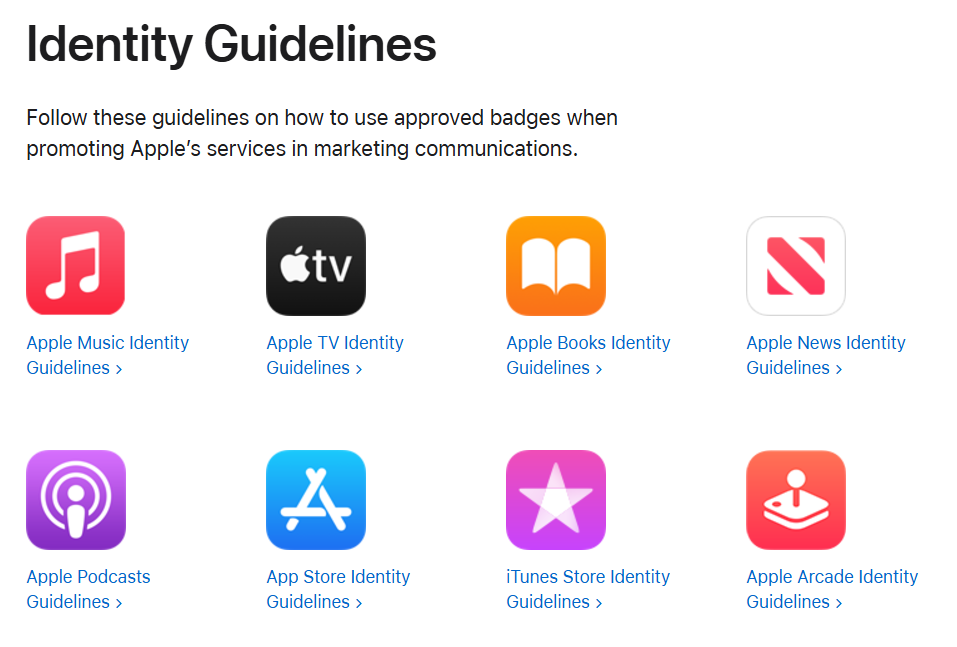
When Apple promotes privacy, education, or environmental responsibility, they are not just running a campaign; they are reinforcing a core pillar of their identity. This extends to their Services Performance Partners Program. By providing clear guidelines to affiliates, Apple ensures that their external partners are not just selling a product, but are accurately representing the Apple experience.
From an internal standpoint, Apple’s focus on diversity and inclusion is baked into their hiring and management processes. This ensures that the employees on the front lines of their retail stores are not just salespeople, but "brand ambassadors" who authentically believe in the company’s mission.
Implications: The Strategic Future
Adopting a holistic strategy has profound implications for how a business operates, scales, and survives.
1. The Death of the "Silo"
Businesses must dismantle the walls between departments. Sales, HR, and Marketing should meet regularly to ensure they are telling the same story. When your customer support team is unaware of a new marketing promotion, the brand experience breaks down. Holistic marketing mandates that every department is a stakeholder in the brand’s reputation.
2. The Rise of Ethical Consumerism
Societal marketing is becoming a baseline requirement. Modern consumers—particularly Gen Z and Millennials—vote with their wallets. They demand transparency and social responsibility. Companies that integrate these values into their DNA, rather than treating them as an "add-on" for PR, build a defensive moat around their brand that competitors cannot easily breach.
3. Technological Synergy
The future of this strategy lies in AI and machine learning. These technologies allow for the tracking of the entire customer journey in real-time. By leveraging data-driven insights, companies can now predict what a customer needs before they ask for it, ensuring that every touchpoint is relevant, timely, and aligned with the brand identity.
4. Empowerment of Affiliate Partners
Your affiliates are your external sales force. If you expect them to represent your brand effectively, you must treat them as partners, not just lead generators. Provide them with the same brand assets, values, and vision you provide your internal employees. When an affiliate feels empowered and educated, they become a high-converting extension of your team.
Conclusion: Implementing the Holistic Vision
Building a holistic marketing strategy is not a destination but a continuous process of refinement. To start, organizations must:
- Define SMART Goals: Ensure every marketing effort, from a local charity event to an international affiliate launch, aligns with specific, measurable objectives.
- Audit All Touchpoints: Look at your website, emails, social media, and customer support scripts. Do they sound like they come from the same company?
- Foster Internal Alignment: Conduct workshops to ensure your team understands the brand’s "why."
- Leverage Data: Use analytics to bridge the gap between departments and optimize the customer journey.
Holistic marketing is ultimately about unity. Much like a patient visiting multiple doctors for a complex condition, a business cannot afford to have its "departments" prescribing conflicting treatments. By synchronizing your marketing, operations, and partnerships, you create a robust, resilient, and highly profitable business model that is built to endure the volatility of the modern marketplace.
In a world of noise, the brands that speak with one clear, consistent voice are the ones that lead.