The Future of Engagement: Mapping the Essential Marketing Trends Defining the Digital Landscape
Marketing, much like the e-commerce ecosystem it inhabits, is in a state of perpetual metamorphosis. Every year, the industry witnesses a seismic shift, driven by the strategies of global powerhouses and the innovative concepts introduced by boutique agencies. As we move deeper into the current cycle, the focus has shifted from broad-reach advertising to highly granular, socially integrated, and ethically conscious communication.
In today’s climate, the cost of customer acquisition is rising. Marketing investments—both in terms of capital and human resource hours—have reached record highs. Businesses are no longer just fighting for market share; they are fighting for relevance in a landscape defined by rapidly evolving consumption patterns. To succeed, brands must reach the right consumer, on the right channel, at the precise moment of intent.
This article outlines the five defining marketing trends currently reshaping the industry, providing a roadmap for brands to refine their acquisition strategies.
1. Responsible Artificial Intelligence: The New Ethical Standard
The integration of Artificial Intelligence (AI) into marketing is no longer a novelty; it is a necessity. However, as the capabilities of machine learning expand, so does the demand for "Responsible AI." This movement focuses on the ethical, transparent, and socially responsible deployment of algorithms.
The Shift Toward Transparency
Responsible AI is not merely a technical framework; it is a brand value. In an era where consumers are increasingly wary of data harvesting, brands must be transparent about how AI influences their user experience. Key principles include:
- Algorithmic Bias Mitigation: Ensuring that marketing AI does not perpetuate stereotypes or exclude demographic segments based on faulty data sets.
- Data Privacy Compliance: Moving beyond basic legal requirements to adopt "privacy-by-design" architectures that prioritize consumer anonymity.
- Human-in-the-loop Systems: Maintaining human oversight in automated decision-making processes to ensure tone and brand alignment.
Implications for Strategy
Brands that prioritize ethical AI will earn a significant trust dividend. Consumers are increasingly likely to remain loyal to companies that can prove their technology is being used to improve, rather than exploit, their shopping experience.
2. Sustainability as a Core Marketing Pillar
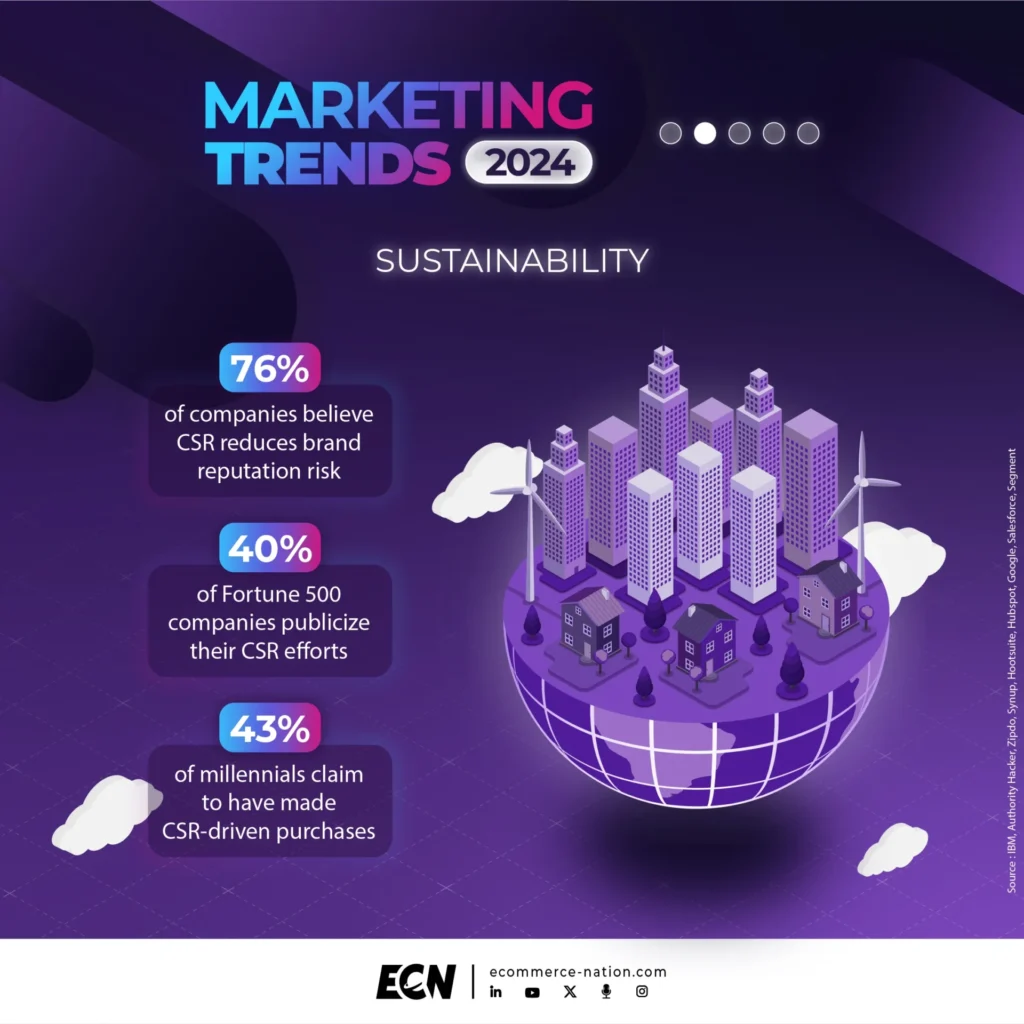
Sustainability has transitioned from a niche concern to a central component of brand identity. Today’s consumers—particularly Gen Z and Millennials—are "value-driven buyers." They do not just purchase products; they purchase the ethics of the manufacturer.
Communicating Sustainable Value
Sustainability must be woven into the digital narrative. Companies are now leveraging:

- Transparency through Blockchain: By utilizing decentralized ledgers, brands can provide consumers with an immutable history of a product’s journey, from raw material sourcing to the final delivery. This eliminates "greenwashing" concerns.
- Influencer Alignment: The era of generic influencer marketing is fading. Today, brands are partnering with "eco-influencers" who possess deep credibility within sustainability circles, ensuring that the brand’s message resonates with a community that actually cares about the planet.
Engaging the Conscious Consumer
Engagement strategies are shifting toward inclusivity. By inviting customers to participate in recycling programs or carbon-offset initiatives via apps, brands create a sense of shared purpose. This transforms a one-time purchase into a long-term, values-based relationship.
3. The Rise of Conversational Search
The traditional "keyword-based" search model is undergoing a revolution. As voice assistants (Siri, Alexa, Google Assistant) become more integrated into the home and mobile experience, the way consumers interact with search engines is becoming distinctly human.
From Keywords to Natural Language
Consumers no longer type "best running shoes" into a search bar; they ask their device, "What are the best running shoes for marathon training with flat feet?" This shift toward conversational queries necessitates a massive change in SEO strategy:
- Semantic Optimization: Content must now answer questions, not just rank for keywords. FAQ pages, long-form educational content, and "how-to" guides are becoming the backbone of search visibility.
- Anticipatory AI: Modern smart assistants do not just provide links; they synthesize answers. Brands that structure their data correctly (via Schema markup and structured data) have a higher likelihood of being cited by these assistants, effectively becoming the "authoritative source."
The Strategic Shift
Marketers must now optimize for the intent behind the question. By understanding the context of the user’s query, brands can provide personalized, relevant responses that meet the user at the exact stage of the customer journey, significantly boosting conversion rates.

4. The Dominance of Short-Form and Immersive Video
Video is no longer just a content type; it is the dominant language of the internet. Two distinct trends are currently dictating the pace of engagement: the rise of short-form, high-impact content and the integration of immersive, interactive media.
The Power of the "Micro-Moment"
Platforms like TikTok, Instagram Reels, and YouTube Shorts have effectively shortened the human attention span. Brands have mere seconds to hook a viewer. Success here requires:
- Storytelling over Selling: The most successful short-form videos avoid traditional sales pitches. Instead, they use humor, behind-the-scenes glimpses, or user-generated content to build rapport.
- High-Cadence Production: Because the shelf-life of a viral video is short, brands must adopt a "test and learn" production cycle, iterating quickly based on engagement metrics.
The Immersive Frontier
For higher-ticket items, immersive video—such as 360-degree tours or Augmented Reality (AR) try-ons—is bridging the gap between digital convenience and the tactile experience of in-store shopping. By allowing a customer to "place" a piece of furniture in their living room or "wear" a pair of glasses via their smartphone camera, brands are drastically reducing the friction of the purchasing decision.
5. Hyper-Personalization: The End of Mass Marketing
The final frontier of modern marketing is hyper-personalization. We are moving away from broad segments—like "women, 25-34"—to an individual-level understanding of the consumer.

Data-Driven Individualism
Using Machine Learning (ML) and sophisticated Customer Data Platforms (CDPs), brands are now capable of analyzing vast swaths of behavioral data in real-time. This allows for:
- Dynamic Content Delivery: If a user consistently browses organic cotton clothing, the brand’s website homepage should automatically prioritize that category upon their next visit.
- Predictive Analytics: Using historical purchase behavior to predict future needs. For example, a pet store brand might send a replenishment reminder for dog food precisely when the customer is likely to run out, based on their previous purchase frequency.
The Implications
Hyper-personalization is the ultimate antidote to digital fatigue. When a consumer feels that a brand "understands" their specific needs, the relationship shifts from a transactional one to a consultative one. However, this relies heavily on the "Responsible AI" mentioned in section one. The balance between being helpful and being intrusive is delicate, and brands must ensure they provide value in exchange for the data they collect.
Conclusion: The Path Forward
The landscape of 2024 and beyond is not for the faint of heart. It requires a commitment to ethical technology, a genuine dedication to sustainability, and an agile approach to content production.
The core takeaway for marketers is clear: Technology is the tool, but humanity is the objective. Whether it is through an AI-powered search query or an AR-assisted purchase, the brands that win will be those that use these tools to build authentic, meaningful connections with their customers. By mastering these five trends, businesses can move beyond the noise and secure their place in a future where marketing is not just seen, but felt.