The End of the Dream: Why Dream Sports’ Wealthtech Pivot Faltered
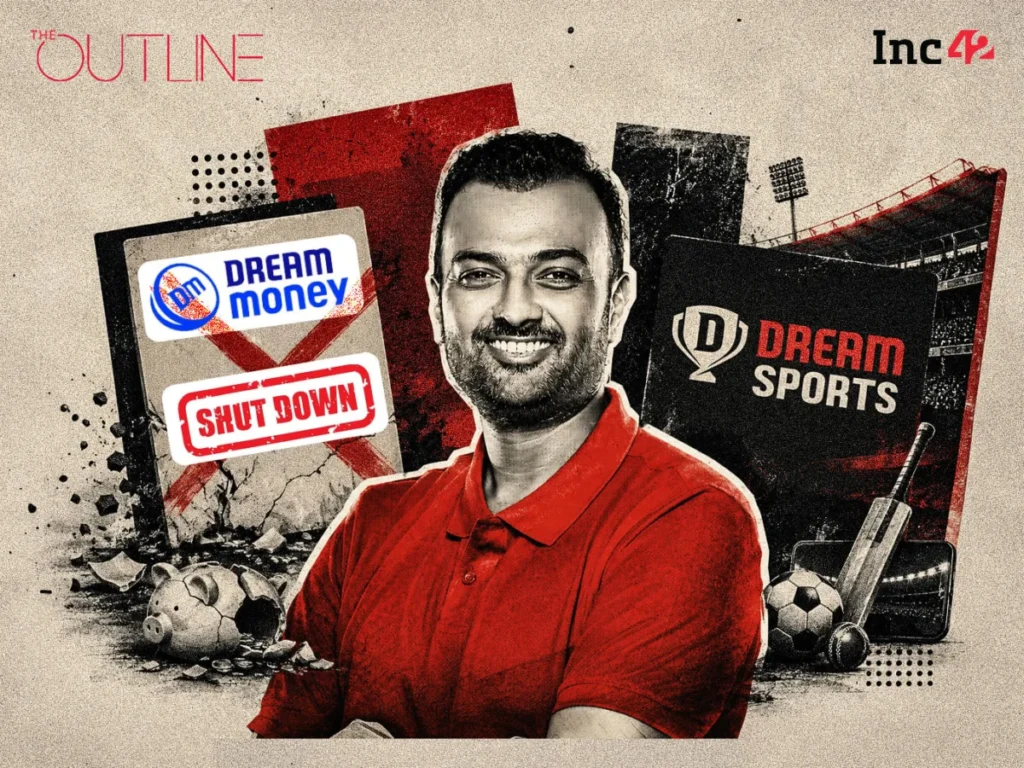
Building a house on shifting sand is an exercise in futility. In the high-stakes world of Indian tech, that is precisely the reality currently facing Dream Sports. The parent company of India’s fantasy gaming juggernaut, Dream11, has officially sounded the death knell for its ambitious fintech arm, "Dream Money," marking a quiet but definitive retreat from a sector that many analysts initially thought could be the company’s post-gaming salvation.
For a firm that dominated the consciousness of Indian sports fans for over a decade, the decision to pivot toward mutual funds, digital gold, and stockbroking (under the DreamStreet brand) was meant to be a masterstroke of diversification. Instead, it has become a case study in the limitations of leveraging user distribution in an industry where trust—not just engagement—is the primary currency.
The Chronology of an Ambition
The genesis of Dream Sports’ fintech foray can be traced back to the regulatory tremors of 2025. Following the passage of the Promotion and Regulation of Online Gaming Act in August 2025, the real-money gaming (RMG) industry faced an existential threat. As the regulatory noose tightened and the industry braced for a seismic shift in taxation and legal status, major players scrambled for "lifeboats."
While competitors pivoted toward casual gaming, esports, or the burgeoning microdrama sector, Dream Sports aimed higher. Leveraging its massive, captive user base—particularly in tier II and tier III cities—the company launched Dream Money. The pitch was simple: millions of users already trusted the platform with their money for fantasy leagues; why not convert them into first-time investors?
- August 2025: Following the Gaming Act, Dream Sports signals a pivot toward fintech to hedge against RMG regulatory risk.
- Late 2025: Dream Money launches, offering mutual funds, digital gold, and fixed deposits. DreamStreet is introduced to challenge incumbent wealthtech giants like Zerodha and Groww.
- Early 2026: Initial user acquisition begins, but internal concerns grow regarding the lack of stickiness between gaming habits and wealth management.
- June 2026: Dream Sports begins a systematic shutdown of its fintech verticals, including the closure of its AI-powered sports performance app, Dream Play, and the FanCode merchandise wing.
- July 7, 2026: Automated SIPs are cancelled.
- July 15, 2026: Deadline for digital gold redemption before migration to partner Augmont.
- July 30, 2026: Final wind-down of Dream Money operations.
The Logic That Didn’t Add Up
On paper, the strategy was bulletproof. Dream11 possessed one of the largest internet user bases in India. These were digitally savvy individuals, comfortable with making online payments and accustomed to the interface of the Dream11 app. For a growth-starved startup, the "cross-sell" logic seemed like low-hanging fruit.
However, industry experts now argue that the company fundamentally misread the consumer psyche. "Financial services operate on a fundamentally different currency than gaming," explains a senior executive at a leading wealthtech firm. "Gaming is built on entertainment, dopamine hits, and short-term engagement. Wealth management is built on long-term trust, transparency, and fiduciary responsibility. You cannot simply ‘gamify’ a retirement fund."

The struggle for Dream Money was not a lack of traffic; it was a lack of brand alignment. Users who logged in to win a fantasy cricket contest were not necessarily looking for a platform to manage their life savings. The attempt to position a high-octane gaming app as a serious, sober wealth manager proved to be an insurmountable branding hurdle.
Supporting Data: A Balance Sheet in Transition
To understand the retreat, one must look at the financial health of the parent entity. Dream Sports, while still a titan of the Indian startup ecosystem, has seen its margins compressed by the shifting regulatory landscape.
In FY25, the company reported a net loss of ₹478.9 Cr, a stark reversal from the profit of ₹1,295.3 Cr recorded in the previous fiscal year. While much of this was attributed to an exceptional, one-time expense of ₹503.7 Cr related to the "reverse flip" (moving its US parent back to India), the underlying revenue trends were also softening. Operating revenue fell nearly 15% year-on-year, dropping from ₹7,934 Cr to ₹6,759 Cr.
The shutdown of Dream Money and the earlier closure of FanCode’s merchandise vertical point to a new corporate philosophy: aggressive pruning. By shedding non-core assets, the company is attempting to protect its runway and focus on its "best-in-class" competencies.
The Strategy Behind the Pivot: Buying Time?
Was Dream Money ever truly expected to become a multi-billion dollar fintech giant? Many analysts believe the venture served a more strategic, albeit temporary, purpose.
- Optionality: In the face of intense GST scrutiny and the looming threat of retrospective taxation, the wealthtech play provided a "Plan B." It created a narrative of growth and diversification that satisfied investors during a period of extreme regulatory uncertainty.
- Keeping the Engine Running: Launching new verticals kept product and engineering teams occupied during a period when the core gaming business was under constant legal attack.
- Investor Confidence: The pivot signaled to shareholders that Dream Sports was not merely a gaming company but a diversified consumer-internet conglomerate.
"It was a defensive maneuver disguised as an offensive one," says a fintech venture capitalist. "When the core business is under threat, you diversify to stay alive. Now that the dust has settled and the company has stabilized, it is cutting the dead weight to focus on where it actually wins."

Implications: The Limits of "Super-App" Fever
The failure of Dream Money carries a broader lesson for the Indian startup ecosystem. For years, the mantra has been that if you have the distribution, you can sell anything. From food delivery apps selling insurance to gaming apps selling stocks, the "super-app" dream has been the goal of every unicorn.
Dream Sports’ retreat suggests that this theory has limits. Consumers may be willing to order groceries and play fantasy sports on the same platform, but they are increasingly discerning about where they park their wealth. The trust deficit between a gaming platform and a financial institution is real, and it cannot be bridged by marketing spend alone.
What Lies Ahead for Dream Sports?
Despite the exit from fintech, it would be a mistake to count Dream Sports out. The company remains one of the few Indian unicorns to have mastered the art of running lean. Unlike many of its peers that burned through venture capital during the boom years, Dream Sports maintained a disciplined cash burn, allowing it to survive the "funding winter" and the gaming industry collapse without needing emergency financing.
The path forward for the company appears to be a return to its roots: sports content, gaming infrastructure, and fan engagement. With FanCode continuing to operate as a sports streaming platform and DreamCricket pushing into the high-end gaming space, the company is narrowing its focus to where its competitive advantage is undeniable.
As of July 30, Dream Money will cease to exist. Customers have been assured that their holdings—held by partner banks and asset management companies—are secure. For Dream Sports, the experiment has ended. The "dream" of becoming a wealth manager has been traded for the more pragmatic reality of becoming a focused, resilient sports-tech entity.
The sand has been swept away, and the company is finally laying its foundation on solid ground once more. Whether this leaner, more focused version of the company can regain its former glory remains the defining question for its leadership in the coming years.