Coastal Controversy: YSRCP Protests Visakhapatnam Beach Shack Proposal Amidst Security and Cultural Concerns
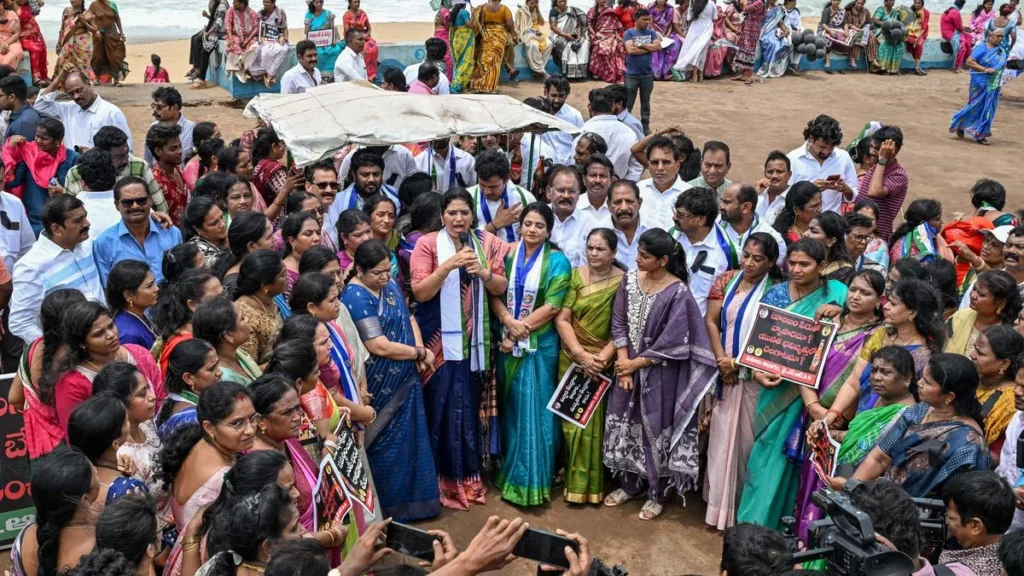
Visakhapatnam, July 6, 2026 — The serene stretch of Ramakrishna (RK) Beach, the crown jewel of Visakhapatnam’s tourism circuit, transformed into a theater of political confrontation on Monday as the YSR Congress Party (YSRCP) launched a spirited protest against the State government’s ambitious proposal to introduce beach shacks along the coastline.
The demonstration, led by Visakhapatnam district YSRCP president K.K. Raju and supported by the party’s women’s wing, signals a deepening rift in Andhra Pradesh’s political landscape regarding the economic utilization of its extensive coastal assets. While the government maintains that the initiative is a strategic move to boost tourism revenue, the opposition claims it is a thinly veiled attempt to facilitate the liquor trade, posing significant risks to public order and social safety.
The Core Conflict: Tourism vs. Social Order
The government’s "Beach Shack Policy" is designed to mirror the tourism models of Goa and other coastal states, aiming to provide high-end recreational facilities to tourists and generate employment. However, the YSRCP has framed the policy as a moral and social hazard.
During the protest at RK Beach, K.K. Raju delivered a scathing critique of the current administration. He argued that the proposal, rather than fostering sustainable tourism, is effectively a "bar and beer mantra" that prioritizes alcohol consumption over family-friendly recreational development.
"We are witnessing a departure from traditional, wholesome tourism," Mr. Raju stated. "By transforming public beaches into hubs for alcohol service, the government is effectively alienating the very demographic that makes our beaches vibrant—families, women, and children. How can a parent feel secure bringing their children to a beach where liquor is being served openly along the shoreline?"
Chronology of the Dispute
The tension surrounding the beach shack proposal did not emerge in a vacuum. It is the culmination of several months of policy debate:
- Pre-Election Promises: During the election campaign, TDP chief and current leadership advocated for the monetization of the state’s massive coastline, promising to turn Visakhapatnam into a world-class tourism destination to generate wealth.
- The Policy Unveiling: Following the election, the government finalized the framework for beach shacks, categorizing it as a key pillar for the state’s tourism growth strategy.
- Growing Resistance: Local resident associations and civil society groups began expressing concerns regarding the privatization of public spaces, a sentiment that the YSRCP has now formally adopted as its political stance.
- Monday’s Protest: The agitation at RK Beach marked the most significant public pushback to date, involving a coordinated effort by YSRCP cadre to block the implementation of the shack tenders.
The Economic Argument: Wealth Creation vs. Public Welfare
The government’s perspective rests on the economic potential of Visakhapatnam’s coastal geography. Tourism experts have long argued that Andhra Pradesh has lagged behind its potential due to a lack of infrastructure that encourages overnight stays and high-end spending. By allowing shacks, the government hopes to attract domestic and international travelers who seek a "coastal vibe" similar to global standards.
However, the opposition contends that this "wealth creation" is shortsighted. "The government has failed to identify the true economic drivers of our coast," Mr. Raju asserted. "Instead of promoting liquor trade, the state should focus on the backbone of our coastal economy: the fishing community."
The YSRCP’s alternative proposal suggests that the government invest in modernizing fishing jetties, expanding harbor facilities, and supporting the traditional livelihoods of local fishermen. They argue that this would create genuine, sustainable wealth without compromising the aesthetic and moral sanctity of the public beach.
Safety and Security: A Primary Concern
A central pillar of the YSRCP’s objection is the potential deterioration of law and order. Visakhapatnam’s beaches are currently frequented by thousands of residents every evening. The introduction of alcohol-serving shacks, the party warns, could lead to an increase in incidents of harassment, public nuisance, and traffic-related accidents caused by intoxicated patrons.

Women leaders within the YSRCP emphasized that the beach is one of the few accessible public spaces for women and children in the city. The prospect of "bar-like" environments on the sand is being viewed as a direct threat to the safety of these vulnerable groups. The party has vowed to continue its agitation until the government provides guarantees regarding the oversight and regulation of these proposed facilities.
Political Fallout and Official Responses
The protest has also sparked a war of words between the YSRCP and the ruling party leadership. The YSRCP specifically targeted Visakhapatnam MP M. Sribharat and TDP State president Palla Srinivasa Rao, accusing them of prioritizing commercial interests over the welfare of the public.
By calling out these leaders by name, the YSRCP is attempting to pin the responsibility of the potential social fallout directly on the elected representatives of the region. While the government has yet to issue a formal rebuttal to the specific claims made at Monday’s protest, sources within the administration suggest that the shack policy will include strict zoning, licensing requirements, and time restrictions to mitigate the concerns raised by the opposition.
Implications for Future Development
The controversy over the RK Beach shacks highlights a broader, ongoing dilemma in Indian urban planning: how to balance the commercialization of tourism with the rights of the public to access open, safe, and family-friendly spaces.
Economic Implications
If the project proceeds, the state expects an influx of private investment. However, if the protest gains traction, it may deter potential bidders, leading to a standstill that could leave the beach infrastructure in its current, potentially underutilized state.
Social Implications
The discourse surrounding the "bar and beer" narrative reflects a conservative streak in local politics that often views the liberalization of entertainment policies with skepticism. The government will need to navigate this carefully, likely requiring a robust public relations campaign and transparent regulatory measures to win over the skeptical local population.
Political Implications
For the YSRCP, this is an opportunity to reclaim political space by positioning itself as the guardian of "traditional values" and the protector of the fishing community. By championing the cause of families and fishermen, the party hopes to undermine the government’s narrative of progress and economic modernization.
Conclusion: A Delicate Balance
As the sun sets on the debate, the future of Visakhapatnam’s coastline remains uncertain. The government’s vision of a modern, vibrant tourism economy is currently clashing with the YSRCP’s vision of a protected, community-centric public space.
Whether the government chooses to pause and hold a public consultation, or pushes ahead with the policy, one thing is clear: the development of Visakhapatnam’s coast is no longer just a matter of urban planning—it is a deeply charged political issue. The success of any future tourism initiative will depend heavily on the administration’s ability to demonstrate that "wealth creation" does not come at the cost of public safety or social order.
As the protest concluded on Monday, the YSRCP leadership warned that this is merely the beginning of a broader campaign. For the residents of Visakhapatnam, the coming weeks will reveal whether the RK Beach will remain a quiet family retreat or evolve into a high-octane tourist destination, with the political stakes remaining as high as the tide itself.