Strategic Rest: V.V.S. Laxman to Lead Indian Squads for Zimbabwe Tour and Asian Games
By Sports Desk
Updated: July 08, 2026 | 02:29 AM IST
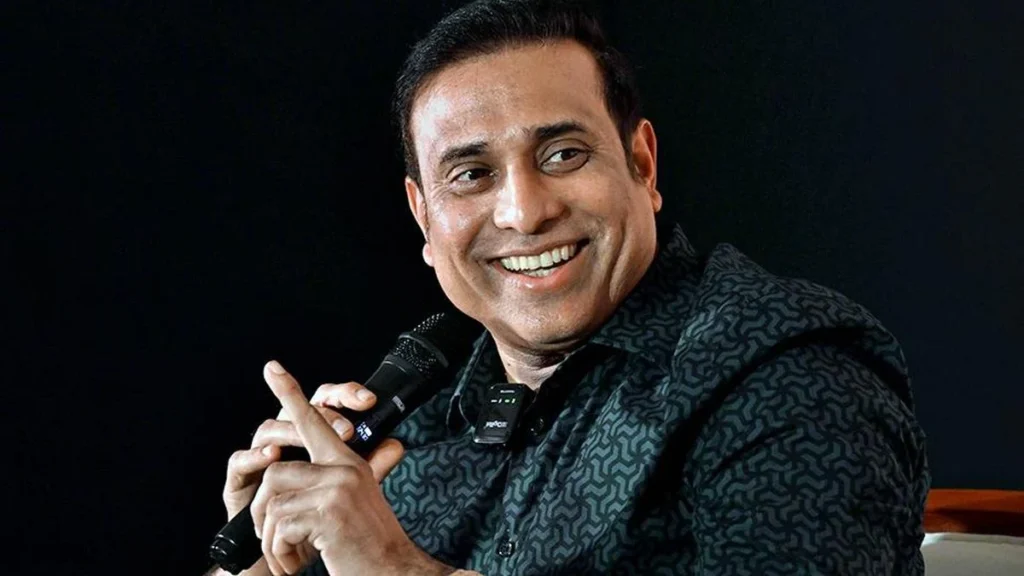
In a strategic move designed to manage the high-intensity workload of the senior national cricket team, the Board of Control for Cricket in India (BCCI) has confirmed that the Centre of Excellence (formerly National Cricket Academy) head, V.V.S. Laxman, will spearhead the support staff for the upcoming tour of Zimbabwe and the Asian Games in Aichi-Nagoya.
This decision marks a continuation of the BCCI’s proactive rotation policy, ensuring that the primary support staff, led by head coach Gautam Gambhir, receives a necessary period of recuperation following the grueling white-ball series against England.
Main Facts: A Blueprint for Continuity
The BCCI has officially designated V.V.S. Laxman as the head of the coaching contingent for two significant assignments. Joining him in this capacity will be batting coach Hrishikesh Kanitkar and bowling coach Sunil Joshi. This trio forms a seasoned unit, balancing technical expertise with the experience of managing transition-phase squads.
The primary objective behind this appointment is twofold: to provide respite to the senior coaching staff following the high-stakes England series and to ensure that the "second-string" or emerging talent pools continue to operate under high-caliber mentorship.
The schedule is tight. India is set to play a three-match T20I series in Harare, Zimbabwe, on July 23, 25, and 27. With the England series concluding on July 19, the transition is near-instantaneous, necessitating a distinct logistical setup for the Zimbabwe-bound contingent. Furthermore, the schedule for the Asian Games in Aichi-Nagoya overlaps with India’s home white-ball series against the West Indies, where Gautam Gambhir will remain with the senior ODI squad, leaving the reins of the Asian Games campaign firmly in Laxman’s hands.
Chronology of Appointments: A Proven Track Record
This is not an experimental measure for the BCCI, but rather a well-honed strategy. V.V.S. Laxman has become the "go-to" mentor for the Indian team whenever the primary setup is unavailable or focused on marquee ICC tournaments.
The 2023 Hangzhou Asian Games
In 2023, while Rahul Dravid and the senior coaching staff were deeply immersed in the preparations and eventual campaign for the ODI World Cup, it was Laxman who stepped into the breach to lead the Indian side at the Asian Games in Hangzhou. Under his guidance, the team navigated the tournament’s unique pressures, providing a vital platform for younger players to showcase their mettle on a continental stage.
The 2024 Zimbabwe Tour
Laxman’s tenure as a mentor continued into 2024, during the previous tour of Zimbabwe. That series was particularly notable for the leadership of Shubman Gill as captain and the international emergence of talents like Abhishek Sharma. By overseeing these tours, Laxman has built a rapport with the next generation of Indian cricketers, creating a seamless pipeline between domestic performances and international call-ups.
Supporting Data: Managing the "Load Management" Era
The evolution of modern cricket, defined by an unrelenting calendar, has forced cricket boards worldwide to reconsider the physical and mental toll on both players and support staff.
The BCCI’s data-driven approach to coaching rotation is a reflection of global trends in elite sports. With the England series ending on July 19 and the Harare tour commencing on July 23, the turnaround time is a mere four days. For the senior coaching staff, this would involve immediate travel and the absence of any recovery period, which is considered counterproductive to long-term performance.
By utilizing the Centre of Excellence personnel, the BCCI maintains a standard of professional instruction without exhausting the senior staff. This rotational system ensures that:

- Tactical Continuity: Coaches like Hrishikesh Kanitkar and Sunil Joshi are familiar with the players currently coming through the India ‘A’ and U-19 systems.
- Psychological Freshness: By offloading short-term assignments to Laxman’s team, the senior coaching unit can remain focused on long-term goals, such as ICC World Test Championship cycles and World Cup preparations.
Official Responses and Strategic Rationale
While the BCCI has not issued a formal press conference on this specific rotation, insiders suggest the move is part of a "holistic management" philosophy initiated during the transition to the current coaching leadership.
"The volume of cricket has increased exponentially," an official source noted. "When you have the Asian Games, a home series against the West Indies, and a tour of Zimbabwe happening in such close proximity, you cannot expect the same group of coaches to maintain the intensity required at the highest level. V.V.S. Laxman brings a level of composure and technical acumen that ensures there is no drop-off in quality, regardless of the squad composition."
The decision to pair Laxman with Kanitkar and Joshi is also deliberate. Kanitkar’s expertise in batting mechanics and Joshi’s deep understanding of spin and tactical bowling make them the ideal mentors for the young cricketers who often populate these touring squads.
Implications: Building the Bench Strength
The implications of this recurring strategy are far-reaching for Indian cricket.
1. Developing Future Leadership
By having Laxman lead the team, the BCCI is effectively grooming a secondary tier of coaching talent. It allows the board to assess which coaches have the temperament to manage a national side during the high-pressure moments of a tournament like the Asian Games.
2. The "Bridge" Effect
Laxman acts as a bridge. Players who work under him in the Centre of Excellence find the transition to the international level less jarring because the coaching philosophy remains consistent. When a player moves from the NCA to a tour under Laxman, they are receiving advice from someone who has already been tracking their progress for months, if not years.
3. Mitigating Burnout
Burnout is no longer just a player-centric issue. The intensity required of a modern bowling coach or a head coach is immense. By providing this buffer, the BCCI is ensuring that when Gautam Gambhir and his team return to the field, they do so with a renewed sense of purpose and energy.
4. Aichi-Nagoya and Beyond
The upcoming Asian Games in Aichi-Nagoya represent a significant opportunity for the Indian squad to cement their dominance in the region. Having a coach of Laxman’s stature at the helm sends a message that the BCCI treats these assignments with the same gravity as any other international tour. It removes the "second-string" stigma, turning these tours into legitimate opportunities for players to stake their claim for a permanent spot in the senior squad.
Conclusion
As the Indian cricket calendar becomes increasingly crowded, the role of the Centre of Excellence and its leadership becomes more vital than ever. The appointment of V.V.S. Laxman for the Zimbabwe tour and the Asian Games is a testament to a board that is thinking ahead.
It is a move that prioritizes sustainability over short-term optics. By fostering a culture where coaching responsibilities are shared and rotated, the BCCI is protecting its most valuable assets—the coaches—while simultaneously providing the next generation of players with the elite-level guidance they need to thrive. As July 23 approaches, all eyes will be on Harare, where a rejuvenated young side will look to continue the momentum of Indian cricket under the watchful, experienced gaze of V.V.S. Laxman.
The strategy is clear: keep the main team sharp for the biggest challenges, and ensure the pipeline of talent is guided by the best, regardless of the badge on the jersey. In this era of relentless cricket, the BCCI’s rotation policy might just be the secret to sustained dominance.