Bridging the Skills Gap: The Inaugural AI Leaders Cohort Sets a New Standard for Workforce-Ready Education
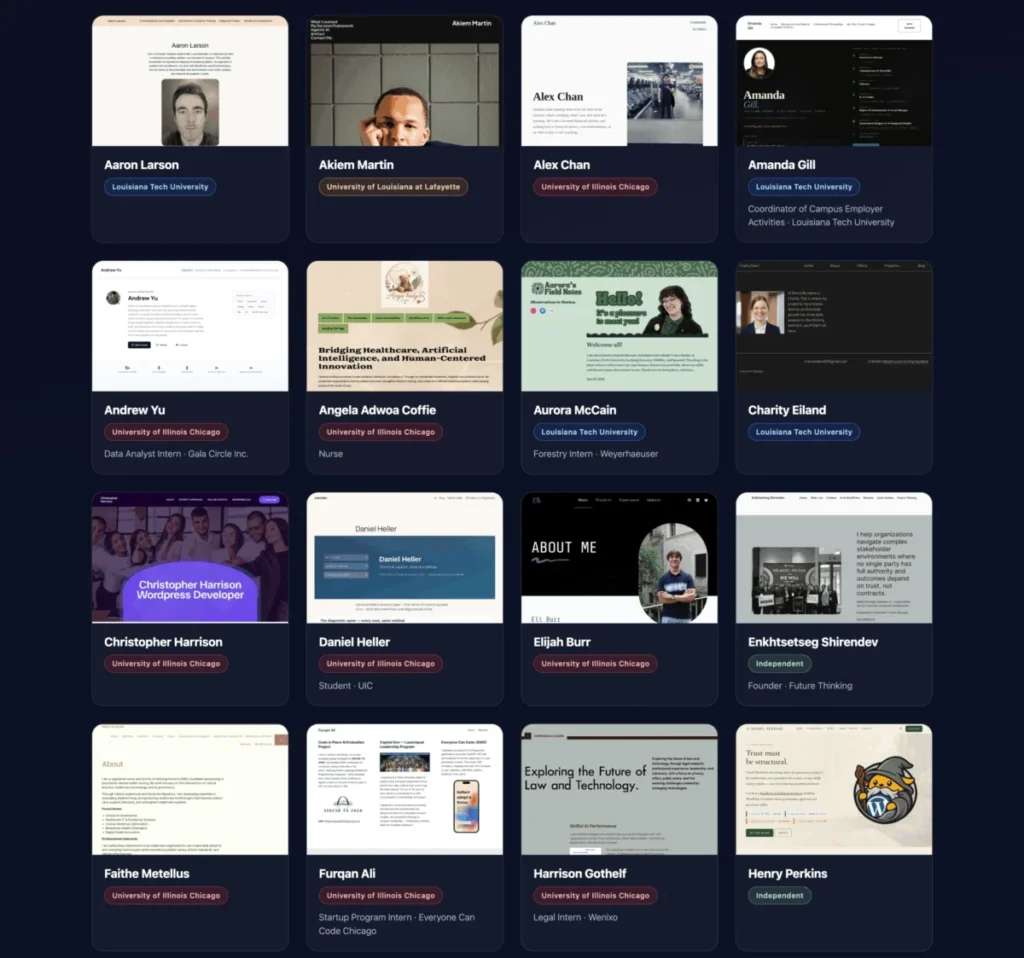
CHICAGO, IL – On June 23, the landscape of technical education shifted as 40 students from the University of Illinois Chicago (UIC), Louisiana Tech University, and the University of Louisiana at Lafayette gathered in Chicago to celebrate a milestone. They were the inaugural cohort to receive the "AI Leaders" Micro-Credential—a pioneering certification that represents more than just a line on a resume. It marks the first time a workforce-focused artificial intelligence literacy course has been tied directly to a recognized, verifiable credential within the open-source ecosystem.
This graduation ceremony was the culmination of a vision first articulated in February, when industry leaders and academic institutions announced a partnership to address the growing chasm between theoretical AI knowledge and the practical, hands-on skills required by the modern labor market.
The Genesis of the AI Leaders Program
The AI Leaders program was designed as a direct response to a critical question: Can open-source learning serve as a reliable bridge to immediate employment, rather than simply acting as a passive certificate of completion?
The pilot program was built on a foundation of "learning by doing." Unlike traditional bootcamps or massive open online courses (MOOCs) that rely heavily on simulation, AI Leaders required students to engage with the real world. Participants were tasked with building functional, deployable projects using generative AI, applying these technologies to authentic workflows, and—most significantly—contributing directly to the open-source software that powers more than 40% of the web.
By embedding the curriculum within the WordPress ecosystem, the program ensured that students were not just learning about AI in a vacuum; they were learning how to implement it within the same frameworks and tools that professional developers and agencies use daily. Each of the 40 graduates walked away not only with a credential but with a robust portfolio of real-world work, a tangible demonstration of their ability to navigate the complexities of AI-driven development.
Chronology: From Concept to Graduation
The journey to this June celebration began in early 2026, driven by a collaborative effort between the University of Illinois Chicago (UIC), Automattic, and the broader WordPress community.
- February 2026: The program was officially announced. It was positioned as a pilot initiative aimed at testing the efficacy of an open-source-first approach to AI literacy.
- Spring 2026: The inaugural cohort of 40 students from three major universities—UIC, Louisiana Tech, and the University of Louisiana at Lafayette—began their intensive training. The curriculum focused on the intersection of generative AI and open-source contribution.
- June 23, 2026: The celebration in Chicago. Students presented their final project portfolios to a room of peers, academic mentors, and potential employers.
- Post-Graduation: The program transitioned into its current phase, focusing on career placement and the recruitment for the next cohort of learners.
Supporting Data and Financial Empowerment
A unique aspect of the AI Leaders program is its commitment to removing barriers to entry. The organizers recognized that the cost of specialized AI education often excludes high-potential students from diverse socioeconomic backgrounds.
To mitigate this, every student who successfully completed the course received a $1,000 stipend. This financial support was made possible through a generous donation from Automattic, the company behind WordPress.com, and the University of Illinois Chicago. This funding served two purposes: it validated the students’ time and effort as professional labor, and it signaled to the market that these students were not just trainees, but junior-level contributors capable of providing immediate value.
The project portfolios produced by the students—now available for public review at aileaderswp.blog—serve as a data point for the program’s success. These portfolios document the students’ ability to solve problems ranging from automated content workflows to sophisticated plugin development, demonstrating that the "AI Leaders" credential is a reliable indicator of technical competency.
Official Responses and Strategic Collaboration
The program’s success is rooted in its unique collaborative structure, where each partner brings a distinct, necessary capability to the table.
- Funding and Oversight: The UIC Tech Solutions Open Source Fund provided the necessary infrastructure and financial management, ensuring the program remained sustainable and focused on its educational mission.
- Institutional Support: The University of Illinois Chicago and its partners in Louisiana provided the academic framework, recruiting high-caliber students and ensuring the curriculum met rigorous pedagogical standards.
- Curriculum and Industry Integration: The WordPress project and the WordPress Foundation contributed the core curriculum. By leveraging the open-source community’s expertise, the program ensured that the AI tools being taught were the exact ones currently shaping the digital landscape.
"WordPress was built to expand access to publishing and participation on the open web," stated a spokesperson for the initiative. This philosophy is the bedrock of the AI Leaders program. The partners believe that AI literacy should not be an elite, siloed skill; rather, it should be democratized, ensuring that developers, creators, and entrepreneurs regardless of their geographic location or economic standing have the tools to compete in an AI-augmented economy.
Implications for the Future of Tech Education
The success of this pilot has profound implications for how universities and industry leaders view technical certification.
Redefining the "Credential"
Traditional degrees are often criticized for lagging behind the rapid pace of technological change. The AI Leaders program demonstrates that a "micro-credential"—when tied to open-source contribution and real-world project work—can be more relevant to employers than a traditional credit-hour-based course. When an employer reviews a candidate’s work in the WordPress code repository, they aren’t looking at a theoretical grade; they are looking at evidence of professional-grade capability.
The Role of Open Source in AI
Open source provides the ideal sandbox for AI training. Because the code is transparent, collaborative, and widely used, students learn how to work within a team, follow best practices, and contribute to projects that impact millions of users. By training students within the WordPress ecosystem, the program effectively grooms the next generation of contributors who will define the future of the web.
Bridging the Employment Gap
The gathering in Chicago was not just a graduation; it was a networking event. Representatives from various agencies and tech firms were present, actively scouting talent from the cohort. This direct pipeline from the classroom to the boardroom is a hallmark of the program’s design. Early reports indicate that several graduates are already in the final stages of job placement, confirming the program’s utility in connecting high-potential students with high-growth careers.
Looking Ahead: Scaling the Impact
The inaugural cohort of 40 is merely the beginning. As the program moves toward its next iteration, the organizers are focused on scaling the curriculum to accommodate a larger number of students while maintaining the high quality of mentorship and hands-on guidance that characterized the pilot.
For those interested in the future of the program, the path forward is clear: the demand for AI-literate talent is only growing, and the AI Leaders program intends to be at the forefront of that supply chain. The organizers have encouraged prospective students to subscribe to updates regarding the next cohort, which will be announced in the coming months.
The success of the June 23 celebration reinforces a growing consensus in the tech world: the future of work is not just about understanding AI, but about understanding how to build, deploy, and collaborate within it. By grounding AI education in the principles of the open web, the AI Leaders program has set a new benchmark for what workforce development should look like in the 21st century.
For those looking to start their journey into open-source contribution and technical skill-building, WordPress offers a wide array of educational resources. Whether you are taking your first steps or looking to refine your advanced development skills, visit WordPress.org/education to explore workshops, lesson plans, and community-driven resources designed to help you build a career on the open web.