The Future of B2B: Decoding the Essential Social Media Marketing Trends for 2025
The B2B marketing landscape is undergoing a profound metamorphosis. As we cross the threshold into 2025, the days of dry, hyper-corporate communication are rapidly fading. Today’s business-to-business buyer is increasingly demanding the same level of authenticity, agility, and personalization that they have come to expect in their personal consumer lives. For B2B organizations, the mandate is clear: adapt to the shifting social media paradigm or risk obsolescence in an increasingly crowded digital marketplace.
The Evolution of the B2B Playbook: A Chronology of Change
To understand where we are going in 2025, we must acknowledge how we arrived here. Historically, B2B social media was viewed as a secondary channel—a place to blast press releases and white papers.
The shift began in earnest around 2022 and 2023, as LinkedIn evolved from a simple recruiting tool into a robust content hub. Throughout 2024, the Netline B2B Content Consumption Report underscored a critical transition: the demand for "snackable," highly relevant, and deeply personalized content reached a tipping point. As we enter 2025, the focus has shifted from mere distribution to the creation of immersive digital experiences. Marketing teams are no longer just measuring reach; they are measuring the depth of the emotional connection established between a brand and its prospective clients.
Authentic Engagement: The Humanization of B2B
The most significant trend for 2025 is the uncompromising rise of authenticity. B2B brands are successfully shedding their "stiff" corporate personas in favor of a more relatable, human-centric tone.
Why Relatability Drives ROI
By showcasing the internal culture, the real-world challenges of employees, and the "behind-the-scenes" successes of clients, companies are moving beyond transactional relationships. When a brand admits to a common industry hurdle or highlights the human effort behind a product launch, they build a foundation of trust.
- Building Emotional Capital: Trust is the currency of B2B. Human-centric storytelling allows brands to be viewed as partners rather than vendors.
- Differentiating in the Noise: In a sea of AI-generated, generic corporate posts, raw and honest content acts as a pattern interrupt, grabbing the attention of the modern, time-poor decision-maker.
The Dual-Speed Video Strategy: Short-Form vs. Long-Form
Video is no longer an optional component of a B2B strategy; it is the heartbeat of it. However, the 2025 playbook distinguishes sharply between the roles of short-form and long-form video.

Short-Form: The Attention Engine
Platforms like TikTok and Instagram have fundamentally changed user behavior. B2B marketers who leverage these platforms for quick, punchy insights are seeing massive returns. Data suggests that 72% of B2B marketers now report quantifiable success in lead generation through short-form video. This format excels at:
- Micro-Learning: Distilling complex technical concepts into 60-second takeaways.
- Humanizing the Executive: Allowing leadership to share quick thoughts on industry news.
- Top-of-Funnel Engagement: Capturing interest through high-energy, visually stimulating hooks.
Long-Form: The Authority Builder
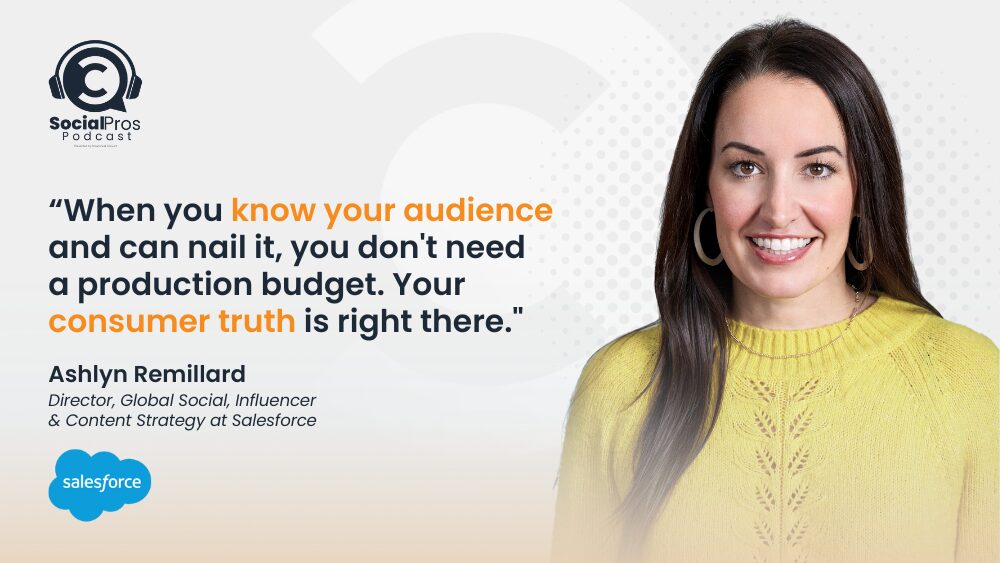
While short-form grabs attention, long-form sustains it. YouTube remains the second-largest search engine in the world, and it is the primary arena for building brand authority. Industry giants like Salesforce and HubSpot have mastered this, utilizing webinars, deep-dive case studies, and long-form interviews to nurture leads. For a prospect in the middle of a complex buying cycle, a 30-minute deep-dive video is often the final push needed to convert them from a lead into a client.
Thought Leadership as a Competitive Moat
In 2025, thought leadership is not just about posting content; it is about establishing a proprietary point of view. LinkedIn has become the definitive stage for this, where executives and subject matter experts (SMEs) share insights that shape the industry narrative.
Effective thought leadership does more than boost SEO; it builds an "intellectual moat" around a brand. When a company consistently provides data-backed, forward-looking perspectives, they stop competing on price and start competing on expertise. This shift forces competitors to play catch-up while the brand solidifies its status as a trusted advisor.
The Professionalization of B2B Influencer Marketing
For years, influencer marketing was dismissed by B2B leaders as a "B2C gimmick." That narrative has been permanently dismantled. B2B influencer marketing is now a cornerstone of modern demand generation.
By partnering with recognized experts, academics, or industry-specific content creators, brands can bypass the skepticism that often accompanies corporate advertising. These influencers bring an existing, captive, and trusting audience, providing a shortcut to credibility. The success of campaigns like Oracle’s "On the Fly" series—which utilized 30 industry influencers to drive significant site traffic—proves that when industry authority meets authentic delivery, the results are transformative.
The AI Integration: Efficiency at Scale
AI is no longer a "future" trend; it is an operational imperative. In 2025, AI is acting as a force multiplier for lean B2B marketing teams.
Strategic Implementation of AI
- Predictive Analytics: Using AI to forecast customer needs before they are explicitly stated.
- Content Optimization: Leveraging algorithms to determine the exact moment a prospect is most likely to engage with a piece of content.
- Operational Efficiency: Automating the mundane tasks of social media scheduling and reporting, allowing human strategists to focus on high-level creative and relationship building.
As noted in the "5 Steps to AI Readiness" framework, the goal of AI is not to replace the human element, but to provide the insights necessary to make the human element more effective.
Addressing the "Pain Point" Paradox
The most successful B2B content in 2025 is that which solves the most urgent problems of the target audience. Rather than focusing on product features, the most effective campaigns lead with the problem.
When a brand creates content that addresses specific pain points—such as "How to scale infrastructure during a market downturn" or "Navigating compliance in a fragmented market"—they provide immediate utility. This "utility-first" approach turns a brand’s social media channel into a resource center, ensuring that potential clients return repeatedly for guidance.
Implications for the Future
The implications for B2B organizations are clear: the barriers to entry for quality content are rising, but so are the rewards for those who execute correctly.
Key Takeaways for Marketing Leaders:
- Invest in Human Capital: Prioritize internal experts who can serve as the face of the brand.
- Audit Your Video Mix: Ensure you have a balance of short-form "hooks" and long-form "education."
- Embrace Niche Influencers: Stop looking for broad reach and start looking for deep influence within specific industry verticals.
- Operationalize AI: Integrate automation tools to handle the heavy lifting, freeing your team for high-level strategy.
As we navigate the remainder of 2025, the brands that win will be those that view social media not as a megaphone for corporate messaging, but as a dynamic space for authentic connection, educational utility, and community building. The evolution is here; the question is, how quickly will your brand adapt?