Bridging the Global Digital Divide: A Review of the 2026 WordPress Event Season
The WordPress project is far more than just software; it is a global movement of developers, designers, entrepreneurs, and students. As of the midpoint of 2026, the ecosystem has demonstrated remarkable resilience and growth, driven by a strategic partnership model that bridges the gap between massive technical infrastructure and localized community needs.
The project’s five primary Global Partners—Jetpack, WordPress.com, WooCommerce, Bluehost, and Hostinger—have been the engine behind a whirlwind of activity during the first six months of the year. From the high-altitude tech hubs of Kathmandu to the vibrant, student-led workshops in Kampala, these partners have transformed from mere sponsors into essential architects of the WordPress community’s expansion. This report examines how these entities have fueled the first half of 2026, highlighting the evolution of community engagement, the rise of student-focused initiatives, and the increasing sophistication of the global WordPress user base.
The Strategic Importance of the Global Partner Model
At the heart of the 2026 event season is a robust sponsorship program that transcends traditional marketing. By investing at a global level, partners like Bluehost and Hostinger do more than place logos on banners; they provide the financial and logistical scaffolding required to host WordCamps in emerging markets where community enthusiasm often outpaces local funding.
This "Global Partner" designation signifies a deep commitment to the sustainability of the open-source project. When these companies support events, they effectively underwrite the costs of venues, accessibility tools, and speaker logistics. This allows local organizers—often volunteers—to focus on content, inclusion, and education rather than the burdens of budget management.
A Chronological Odyssey: Mapping the 2026 Footprint
The 2026 season opened with a clear mandate: go where the builders are. The early months saw a flurry of activity that tested the agility of the global partnership model.
Q1: The Asian and African Ascent
In January, the WordPress project touched down in Kathmandu for WordCamp Nepal. This event set the tone for the year, showcasing the intense interest in WordPress within South Asia. Shortly thereafter, the community moved into India, hosting back-to-back events in Kolhapur and Pune.

The Pune event, in particular, provided a bellwether for current industry interests. With a crowd of roughly 250, primarily composed of students and early-career developers, the focus shifted from basic site management to high-level technical integration. Specifically, sessions regarding AI workflows and the future of Automattic for Agencies drew significant engagement, signaling that the next generation of WordPress users is eager to adopt machine learning tools to scale their development output.
By February, the narrative shifted to Nigeria with WordCamp Port Harcourt. Hosting 256 attendees, the event served as a masterclass in inclusivity. The local production of event-specific "swag" was not just a branding exercise but a testament to the local community’s pride and identity. It proved that the WordPress ecosystem is no longer a Western-centric phenomenon; it is a truly localized global network.
Q2: European Maturity and Developer Focus
As the northern hemisphere turned to spring, the focus shifted to Europe. WordCamp Madrid utilized creative engagement tactics, such as a Wapuu treasure hunt, to drive participation, while WordCamp Nice provided a vital touchpoint for the freelance economy.
The standout of the spring, however, was WordCamp Vienna. With a developer-heavy attendance of 277, the tone shifted from "how to build a site" to "how to build a business." Attendees engaged in deep-dive discussions regarding WooCommerce security and the scalability of WordPress hosting environments. Many agency owners were surprised to learn that the same entity—Automattic—supports both WordPress.com and the WooCommerce platform, leading to high-value conversations about long-term agency partnerships.
The season concluded its European chapter with WordCamp Slovenia and WordCamp Portugal, followed by the inaugural WordPress Developers Day in Novi Sad. This new event format was a pivotal experiment, focusing strictly on technical, in-the-weeds dialogue. With nearly 30 in-depth conversations on performance optimization and client-side troubleshooting, the event proved that the community is ready for more specialized, technical programming.
The Rise of "Campus Connect": Educating the Next Wave
Perhaps the most significant development in the 2026 season is the meteoric rise of WordPress Campus Connect. Unlike traditional WordCamps, which cater to a broad spectrum of professionals, Campus Connect is a targeted initiative designed to bring the WordPress gospel into higher education.

By the Numbers:
- Total Student Reach: 6,200+ students engaged to date.
- Events Completed in 2026: 25.
- All-time Program Growth: 45 events, with 42 more in active development.
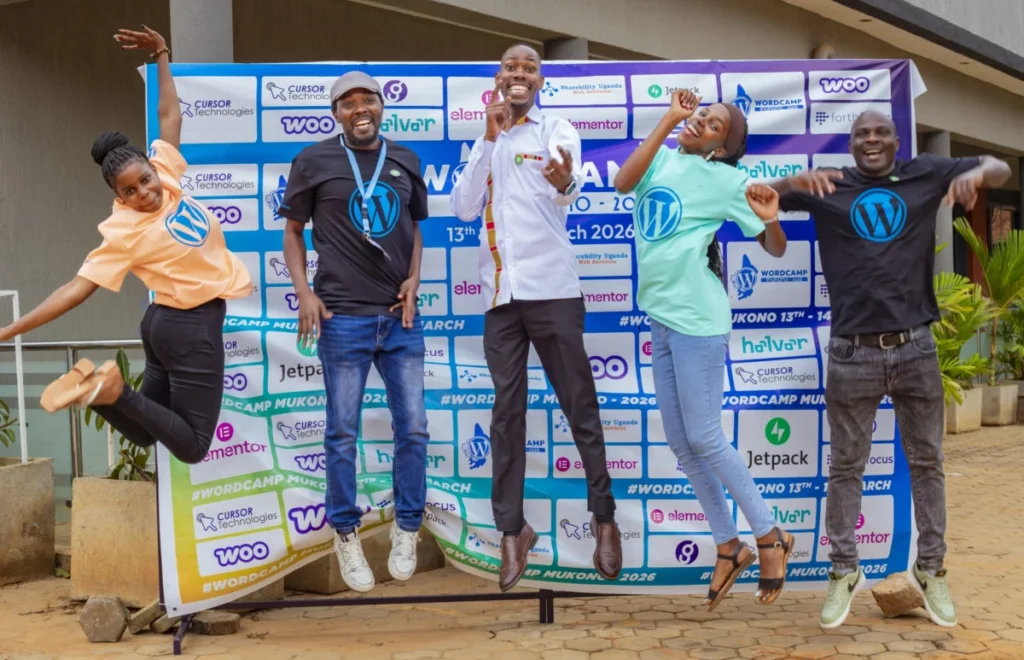
The program acts as a talent pipeline. A compelling example of this success can be found in Uganda. An organizer who cut their teeth at WordCamp Mukono leveraged that experience to spearhead Campus Connect efforts in the region. Similarly, students who attend these events often transition into the broader community, moving from their first "Hello World" site to attending professional WordCamps within months. WordPress.com has provided the backbone for this initiative, donating the hosting infrastructure necessary to ensure these students have a professional environment to experiment in.
Supporting Data: Why Global Sponsorship Matters
The economic implications of this partnership are clear. The 2026 sponsorship program is not a vanity project; it is a fundamental survival mechanism for the open-source movement.
- Diverse Audience Composition: Event demographics show a consistent split between agency owners, freelancers, students, and merchants.
- Technical Interest Trends: Data from booth interactions reveals that "AI in WordPress," "Security," and "Performance" are the top three search queries by attendees in 2026.
- Sustainability: By centralizing sponsorship through the Global Partner program, the WordPress Foundation ensures that events in smaller, developing markets receive the same caliber of support as those in major metropolitan tech hubs.
Implications: The Evolving WordPress Professional
What do these findings mean for the future of the WordPress ecosystem? Several key implications have emerged from the first half of 2026:
- AI Integration is No Longer Optional: Across both Europe and Asia, the appetite for AI-driven development tools is insatiable. The community is moving beyond the "experimental" phase of AI and into the "deployment" phase.
- Professionalization of Agencies: The shift toward developer-centric events like the one in Novi Sad indicates that agencies are seeking more robust, enterprise-grade solutions from their partners. They are no longer looking for "tips and tricks"; they are looking for performance architecture.
- The Geographical Shift: With events in Nepal, Nigeria, and Uganda receiving top-tier sponsorship, it is evident that the "growth engine" of WordPress has migrated to emerging economies. These regions are producing the next generation of contributors who are not only using the software but are actively shaping its development through community leadership.
Looking Ahead: The Second Half of 2026
As we look toward the remainder of the year, the mandate for the WordPress project is clear: sustain the momentum. The success of the Campus Connect program suggests that the project’s future lies in education, while the success of the Developer Day format suggests that the professional tier of the community is craving more technical intimacy.
The partnership between the WordPress Foundation and its Global Partners—Jetpack, WordPress.com, WooCommerce, Bluehost, and Hostinger—serves as the primary indicator of the ecosystem’s health. By aligning their resources with the community’s educational and technical needs, these partners have ensured that the project remains as relevant today as it was at its inception.
For organizers and attendees, the message is one of invitation. The WordPress community is no longer a collection of silos; it is an interconnected, global workforce. Those interested in joining this wave or finding a local event are encouraged to visit WordCamp Central to participate in the ongoing evolution of the web. The 2026 season has proven that when a community is supported by global visionaries, there is no limit to what can be built, from a student’s first blog in Kampala to a high-performance e-commerce platform in Vienna.