The LinkedIn Content Funnel: A Strategic Framework for Scaling Your Authority and Revenue
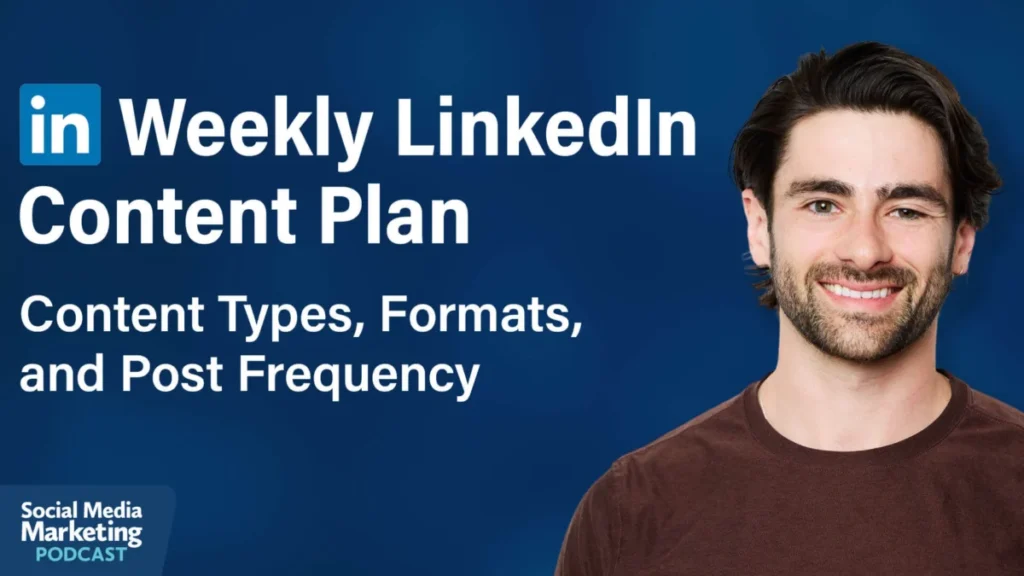
In the competitive landscape of B2B marketing, LinkedIn has shifted from a digital resume repository to a high-octane engine for business growth. However, many professionals struggle to transition from casual posting to a deliberate, revenue-generating strategy. According to insights from LinkedIn strategist Will McTighe and industry expert Michael Stelzner, the secret to mastering the platform isn’t about chasing algorithmic trends—it’s about implementing a disciplined, three-part content funnel designed to convert passive scrollers into high-value clients.
The Foundation: Moving from Hobbyist to Strategist
The primary barrier to LinkedIn success is rarely a lack of skill; it is the psychological inertia caused by the fear of public failure. McTighe emphasizes that effective strategy is born from iteration, not perfection. When content fails, LinkedIn’s algorithm naturally limits its reach, providing a built-in safety net that minimizes the risk of embarrassment.
The pivotal shift occurs when a creator begins to treat their LinkedIn presence as a professional asset rather than a personal hobby. This requires a rigorous commitment to studying performance metrics, identifying recurring themes in successful content, and applying those learnings with consistency. Accounts that plateau often do so because they lack this systematic approach. By treating the platform as a business channel, McTighe—who is now entering his third year of consistent posting—has scaled his ventures to exceed $2 million in annual revenue.
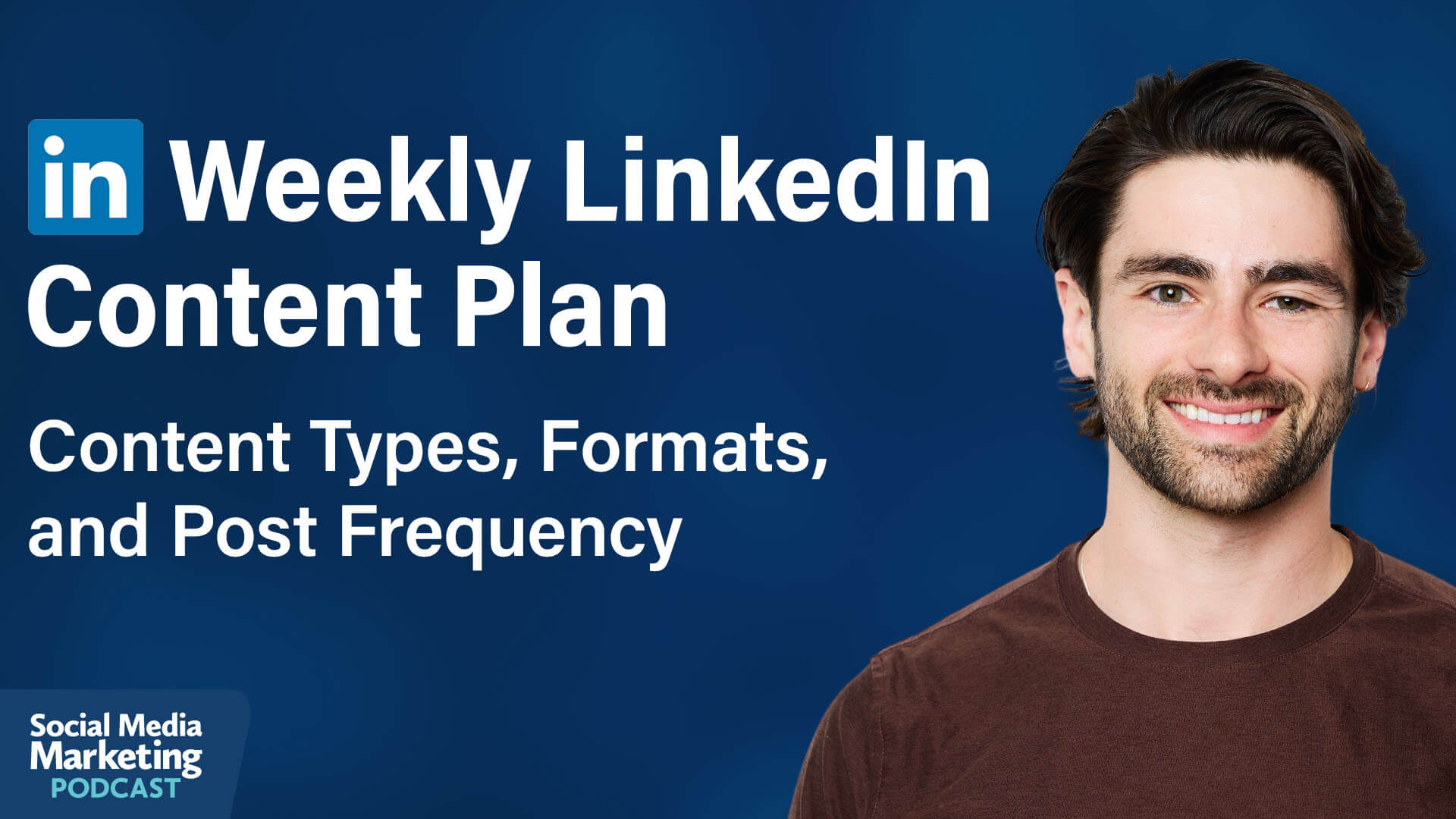
A Three-Part Framework for Content Success
To move prospects through the journey from stranger to client, your content must serve three distinct purposes: Awareness, Trust, and Lead Generation. Each stage necessitates a specific mix of formats and frequency.
1. The Awareness Stage: Expanding Your Reach
The objective here is simple: get your content in front of your ideal prospects. This is achieved through two primary subtypes of content: educational material and broadly relatable narratives.
- Educational Content: This is your strongest conversion tool. By providing actionable insights—such as reacting to industry-specific news or interpreting new market data—you signal expertise. For example, rather than sharing general AI news, a consultant might frame an Anthropic software update specifically for cybersecurity professionals. This relevance ensures that the content reaches, and resonates with, the intended target audience.
- Broadly Relatable Content: While posts about general burnout or industry shifts may garner high engagement and impressions, they often struggle to convert readers into followers. To make these effective, they must be hyper-focused. A post about "CISO burnout" will attract a specific niche, whereas a vague post about "work stress" will attract a broad, disinterested audience.
Strategic Execution:

- The Format: Research indicates that carousels and infographics consistently outperform other formats.
- The Ratio: Aim for four awareness posts per week.
- The Visual Rule: Pair your text with an image that explicitly supports the first two lines of your hook. If the image doesn’t match the opening, users will abandon the post before reading further.
2. The Trust Stage: Establishing Authority
Followers are not yet buyers. To bridge the gap, you must transition from being an information source to a trusted advisor. Trust-building is effectively achieved through storytelling—not for the sake of confession, but as a vehicle for a lesson.
A common pitfall is the "confessional post" that offers raw emotion but no actionable takeaway. To build trust, a story must follow a clear arc: the introduction of adversity, the turning point, and the ultimate application of the lesson for the reader.
Two Effective Hooks for Trust:
- The Authoritative Hook: Lead with credentials that justify the reader’s time (e.g., "20 years of expertise in 60 seconds").
- The Emotive/Personal Hook: Share a personal experience that serves as a proxy for the lifestyle or professional outcome your audience desires.
Strategic Execution:
- The Format: While text-and-image posts offer more reach, video content creates a deeper sense of familiarity. Even if video posts receive fewer views, they significantly improve the quality of future sales calls.
- The Ratio: Dedicate two posts per week to building trust.
- AI Integration: Use AI to mine your own client call transcripts. By inputting these transcripts into tools like ChatGPT or Claude, you can uncover compelling stories and anecdotes you shared during client consultations that you may have otherwise forgotten.
3. The Lead Generation Stage: Converting Action
The final stage of the funnel addresses the inherent risk of a purchase. Buyers are looking for proof that someone with their specific challenges has achieved success through your methods.
"Transformation case studies" are the gold standard for this stage. These should not be generic testimonials. Instead, they should follow a "Before and After" narrative:

- The Hook: State a significant outcome achieved in a specific timeframe.
- The Struggle: Clearly define the client’s original pain points, allowing the reader to identify with the subject.
- The Transformation: Detail the process, keeping the client as the hero. Your role is simply to provide the tools that enabled their success.
Strategic Execution:
- The Format: Incorporate "raw" social proof, such as screenshots of Slack or text messages from happy clients. These appear less curated and more authentic than polished graphics.
- The Ratio: Limit this to one post per week, unless you are in the midst of a product launch.
- The Link Factor: Contrary to the belief that links "kill" reach, data suggests that posts with links often outperform those without, provided the linked resource is high-value. The quality of the content drives engagement, which mitigates any algorithmic penalties.
Chronology of Strategy Development
Successful LinkedIn growth typically follows a predictable trajectory for most professionals:
- Phase 1 (Months 1–6): Focus entirely on Awareness. The goal is to build a baseline audience and find your unique "voice."
- Phase 2 (Months 6–12): Introduce the 4-2-1 ratio (4 Awareness, 2 Trust, 1 Lead Gen). This allows for a steady flow of new followers while beginning to nurture existing ones.
- Phase 3 (Year 2+): Refine based on data. By this point, you should have a repository of high-performing content that you can refresh and repurpose.
Supporting Data: Why This Works
The methodology rests on the psychological principle of "familiarity-based authority." When a prospect sees your content repeatedly—first through awareness, then through trust-based storytelling—the friction of a cold sales pitch is removed.
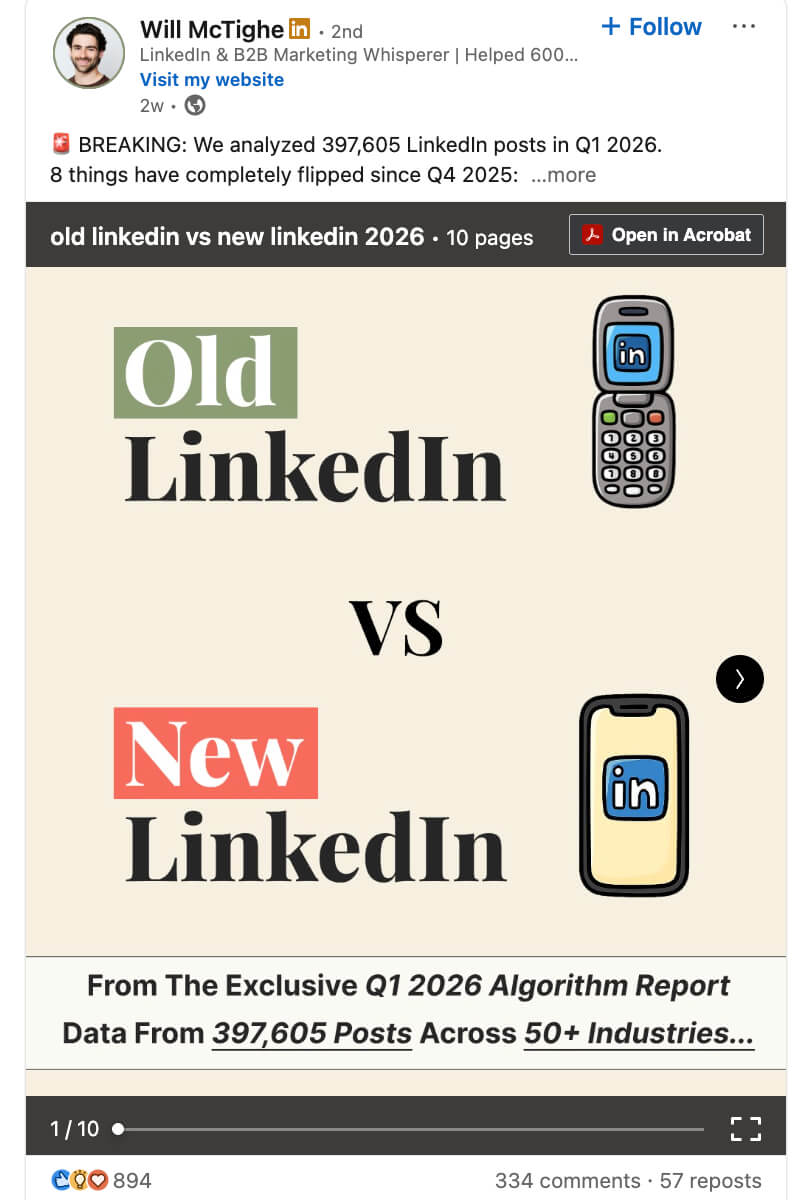
An analysis of over 100,000 LinkedIn posts reinforces that while "viral" content is often vanity-driven, content that drives "saves," "dwell time," and "shares" is what actually drives revenue. The 4-2-1 ratio ensures that you are consistently feeding the top of your funnel while simultaneously converting the middle and bottom.
Implications for Future Content Strategy
As LinkedIn continues to evolve, the distinction between "creator" and "business owner" will blur. The implication for professionals is clear: you must stop viewing LinkedIn as a place to broadcast and start viewing it as a place to build a searchable, scalable database of your expertise.
By utilizing AI to document your client interactions, you create a content bank that is grounded in real-world problems rather than abstract theory. This creates an evergreen library of content that works for you 24/7, turning the platform into a sustainable source of leads rather than a source of professional burnout.
Final Summary of the 4-2-1 Strategy
To sustain long-term growth, adhere to this weekly blueprint:
- 4 Awareness Posts: Educate and relate. Focus on carousels and infographics.
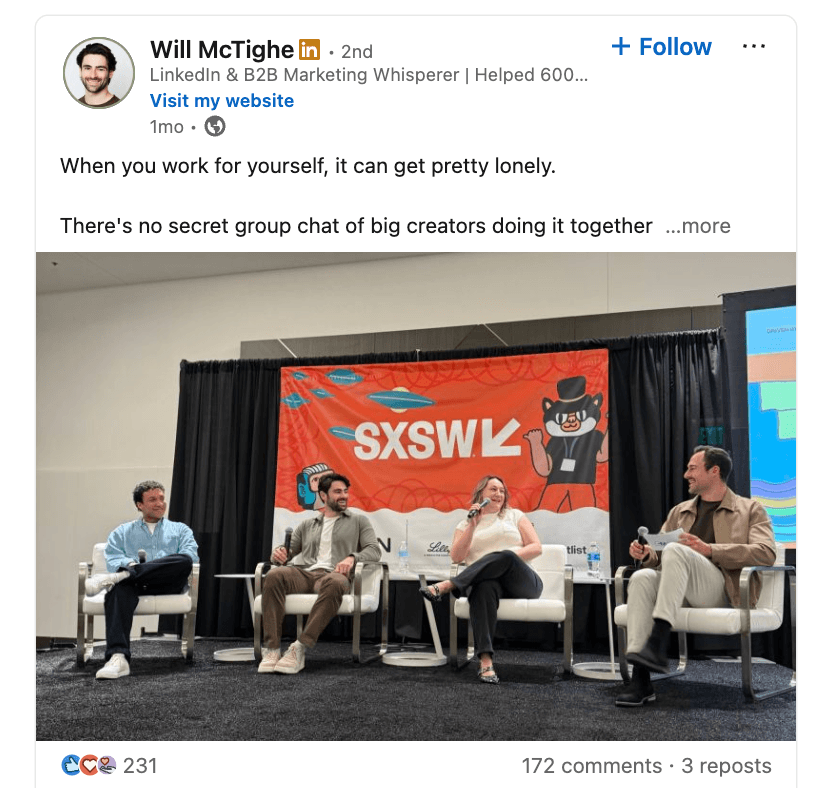
- 2 Trust Posts: Tell stories with a clear, actionable lesson. Use images of you in professional, credible settings.
- 1 Lead Gen Post: Focus on client transformations and specific case studies. Include a link to your service or resource.
By following this disciplined approach, you transform your LinkedIn profile from a static page into a dynamic, revenue-generating funnel that attracts your ideal clients while you sleep.