Meta Faces Global Backlash Over ‘Muse Image’ AI Feature That Synthesizes Public Instagram Photos Without Prior Consent
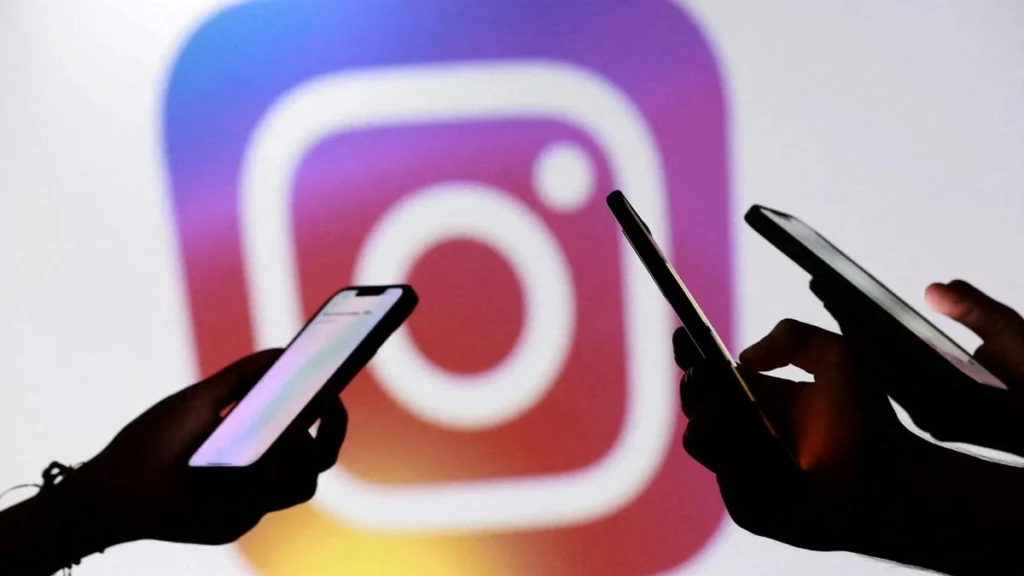
Hollywood talent union SAG-AFTRA leads the charge against Meta’s new opt-out generative AI tool, warning of severe threats to digital likeness, privacy, and creative rights.
Executive Summary
Tech giant Meta is embroiled in a major global controversy following the launch of "Muse Image," a generative artificial intelligence feature that allows users to instantly manipulate and incorporate other people’s public Instagram photos into AI-generated content without prior consent. Released by Meta Superintelligence Labs, the tool operates on an "opt-out" basis, meaning millions of public profiles are automatically enrolled in the program unless users manually navigate complex privacy settings to disable it.
The feature has drawn swift, severe condemnation from privacy advocates, digital rights groups, and prominent labor organizations. Chief among the critics is the Screen Actors Guild-American Federation of Television and Radio Artists (SAG-AFTRA). On July 10, 2026, the Hollywood talent union issued an urgent warning to both its members and the general public, urging immediate action to revoke Meta’s usage permissions. The backlash highlights a growing battle over intellectual property, personal likeness, and the ethical boundaries of generative AI in the social media era.
The Core Controversy: What is Muse Image?
Launched on July 7, 2026, Muse Image represents the first major image generation model developed by Meta Superintelligence Labs. Integrated directly into the Meta AI suite across its ecosystem—including Instagram, WhatsApp, and Messenger—the tool is designed to make high-fidelity image generation highly personalized and collaborative.
[Public Instagram Profile] ──(Auto-Enrolled)──> [Meta AI / Muse Image] ──(User Tag/Mention)──> [Synthesized AI Image]
                                                                                                    │
                                                                                           (Requires Manual Opt-Out)
In practice, the tool allows any user to summon another person’s public Instagram media into an AI prompt simply by tagging or mentioning their public username. The Muse Image model then scrapes the target account’s public photos and utilizes them as reference material to construct new, synthetic visuals.
According to a promotional blog post published by Meta at launch:
“Whether you want to design a custom event invitation, mock up a collaborative creative concept, or generate a personalised graphic, tagging a username lets Meta AI use public photos to build a visual that’s ready to post. You have control over how your content can be tagged for AI creation with an easy setting to turn this feature off at any time.”
However, critics argue that framing this as "user control" is highly misleading. By configuring the feature to be active by default, Meta has shifted the burden of privacy protection entirely onto the user. Millions of everyday individuals, independent creators, and professional performers remain unaware that their personal photographs are actively being used to train and generate synthetic media on demand.
Chronology of the Controversy
The rollout of Muse Image and the subsequent public relations crisis unfolded rapidly over the first week of July 2026:
+-------------+-------------------------------------------------------------------------+
| Date        | Event                                                                   |
+-------------+-------------------------------------------------------------------------+
| July 7      | Meta Superintelligence Labs officially launches "Muse Image" within     |
|             | the Meta AI assistant.                                                  |
+-------------+-------------------------------------------------------------------------+
| July 8      | Tech researchers and privacy advocates discover the tool can ingest     |
|             | public photos via simple @-mentions without owner notification.         |
+-------------+-------------------------------------------------------------------------+
| July 9      | Viral posts on Instagram and X demonstrate the ease of replicating     |
|             | users' likenesses, sparking widespread user anxiety.                    |
+-------------+-------------------------------------------------------------------------+
| July 10     | SAG-AFTRA issues a formal condemnation on X, instructing all users     |
| (1:17 PM)   | to opt out immediately to protect their likeness.                       |
+-------------+-------------------------------------------------------------------------+- July 7, 2026: Meta Superintelligence Labs officially deploys Muse Image to the public. The update is quietly integrated into the Meta AI assistant, with initial promotional materials focusing on the "creative freedom" and "collaborative concepts" the tool enables.
- July 8, 2026: Cybersecurity researchers and digital privacy watchdogs begin analyzing the backend mechanics of Muse Image. They discover that any public Instagram profile can be targeted via a simple "@-mention" in the Meta AI prompt box, prompting the AI to immediately pull and synthesize the account holder’s facial features, style, and setting.
- July 9, 2026: Viral demonstrations on social media show users generating highly convincing, manipulated images of independent models, influencers, and ordinary users. Public concern mounts as users realize they received no notification when their likenesses were used to generate AI content.
- July 10, 2026: SAG-AFTRA releases an official statement via X (formerly Twitter), condemning Meta’s "consent-free" architecture. The union details step-by-step instructions for disabling the feature and frames the tool as a direct assault on the right of publicity.
Supporting Data and the Broader AI Landscape
The outrage surrounding Meta’s Muse Image does not exist in a vacuum. It follows a series of high-profile controversies regarding the non-consensual use of personal data and likenesses by tech companies to feed generative AI systems.
The Deepfake Crisis and Platform Precedents
Public anxiety is highly elevated due to previous abuses of AI-generated content on other platforms. For instance, researchers recently revealed that the Grok AI chatbot, owned by Elon Musk’s X, was used to generate over three million sexualized and non-consensual deepfake images of real individuals. By allowing users to easily bypass safety guardrails, platforms have inadvertently democratized the tools required to create malicious "nudified" images, non-consensual pornography, and highly realistic identity-theft assets.
While Meta asserts that Muse Image has strict safety guardrails to prevent the generation of explicit or harmful content, history suggests that determined bad actors frequently find ways to jailbreak such systems. Furthermore, the ethical violation of using someone’s face to generate an unauthorized image remains a primary concern, regardless of whether the output is explicit.
The Scale of Meta’s Data Harvesting
With over 2 billion active monthly users on Instagram, Meta commands one of the largest repositories of human imagery in existence. Unlike smaller AI startups that must scrape the open web under threat of copyright lawsuits, Meta has direct, terms-of-service-sanctioned access to its users’ uploaded content.
Historically, Meta has used public posts to train its Llama large language models. However, Muse Image represents a fundamental shift: it is not merely training an abstract model on generalized data; it is allowing individual users to target specific profiles to generate synthesized, customized derivatives of real people on demand.

Official Responses and Stakeholder Statements
SAG-AFTRA’s Decisive Stance
SAG-AFTRA, which represents approximately 160,000 actors, voiceover artists, and other media professionals, has taken a leading role in fighting the unauthorized commercialization of digital likenesses. The union has been highly sensitive to AI threats following its historic 118-day strike in 2023, where digital replication protections were a central bargaining point.
In its public warning posted on July 10, 2026, the union stated:
“Meta now lets anyone use your Instagram photos in AI images without your consent. SAG-AFTRA recommends that #SagAftraMembers (and all Instagram users) opt-OUT of Meta’s new AI image generation tool, Muse Image. Take action to protect your likeness.”
SAG-AFTRA Recommendation:
┌────────────────────────────────────────────────────────┐
│  ⚠️ WARNING: Protect Your Likeness                     │
│  All Instagram users are advised to immediately        │
│  OPT-OUT of Meta's Muse Image tool via settings.       │
└────────────────────────────────────────────────────────┘
The union’s leadership emphasized that the tool represents an existential threat to professional performers whose livelihood depends on the exclusive control of their physical appearance and personal brand.
Meta’s Defense of "User Control"
In response to the mounting criticism, a Meta spokesperson pointed to the platform’s existing user controls, reiterating that the feature only applies to public accounts and can be turned off at any time. Meta argues that by choosing to keep an account public, users implicitly agree to a higher level of public interaction, and that the opt-out toggle provides a sufficient safeguard for those who wish to maintain stricter boundaries.
However, consumer advocacy groups have quickly pointed out that opt-out systems rely heavily on user ignorance. The vast majority of social media users do not regularly read terms of service updates or dive deep into nested privacy menus, meaning millions will remain vulnerable simply because they are unaware the feature exists.
Implications for Privacy, Law, and the Creative Economy
The launch of Muse Image and the ensuing backlash carry profound implications for several key sectors:
1. The Legal Battle Over "Right of Publicity"
The unauthorized use of a person’s likeness for AI generation directly challenges established laws regarding the "Right of Publicity"—the inherent right of an individual to control the commercial exploitation of their name, image, and likeness. While states like California and New York have robust right of publicity statutes, federal legislation in the United States remains fragmented. Meta’s opt-out mechanism exploits these regulatory gaps, daring lawmakers to catch up to the speed of generative AI development.
2. The Erosion of Trust in Social Platforms
For over a decade, social networks have functioned as digital scrapbooks and professional portfolios. By converting these personal archives into raw material for public AI manipulation, Meta risks alienating its core creator base. Photographers, models, and everyday users are left with a stark choice: either set their profiles to "Private"—thereby destroying their discoverability and reach—or accept that their faces may be synthesized into arbitrary AI-generated graphics by strangers.
3. Ethical Implications of Opt-Out Defaults
The controversy highlights an ongoing debate in tech ethics regarding "dark patterns" and default settings. Privacy advocates argue that any feature involving the synthesis of a user’s personal likeness must operate strictly on an opt-in basis. By forcing users to opt out, Meta has prioritized rapid AI adoption and feature engagement over user consent and digital safety.
Step-by-Step Guide: How to Opt Out of Meta’s AI Image Creation
For users wishing to prevent their public Instagram photos from being used, remixed, or synthesized by other users via Meta AI, the platform provides a manual toggle.
Note: Because Meta is rolling this feature out in phases, the setting may not be immediately visible to all accounts. Users are encouraged to check back regularly if the toggle is not yet present on their device.
[Profile Settings] ──> [Sharing and reuse] ──> [Allow content for AI creations] ──> [Toggle OFF]To revoke permissions, follow these steps:
- Open Instagram and navigate to your profile page by tapping your profile icon in the bottom right corner.
- Tap the three horizontal lines (Menu) in the top right corner to open your Settings and Activity menu.
- Scroll down to the section labeled "How others can interact with you" and select "Sharing and reuse."
- Locate the section dedicated to AI permissions (specifically looking for options related to "AI creations" or "Muse Image").
- Toggle off the permission control that allows other users to use your Instagram content, photos, or media for AI creations.
- Save your settings and exit. Your public media will now be blocked from being ingested by the Muse Image model during user-prompted generations.