Monsoon Malaise: Maharashtra Faces Critical Rainfall Deficits as El Niño Intensifies
By Investigative Desk
July 14, 2026
As the calendar turns to mid-July, the agricultural heartlands of Maharashtra find themselves in the grip of a deepening climatic crisis. While early July offered a brief, deceptive reprieve with localized downpours, the state is now grappling with a widespread monsoon deficit that threatens to derail the kharif sowing season. With meteorological data pointing toward a persistent dry spell and the looming shadow of a strengthening El Niño, the state’s farming community is bracing for what could be a challenging agricultural year.
The Current State of the Monsoon: A Statistical Overview
The monsoon season, which is the lifeblood of Maharashtra’s agrarian economy, has been characterized by stark inconsistency since June 1, 2026. While the Konkan coast and specific pockets of central Maharashtra enjoyed a brief period of excess precipitation during the first week of the month, the majority of the state’s districts are now facing a significant precipitation shortfall.
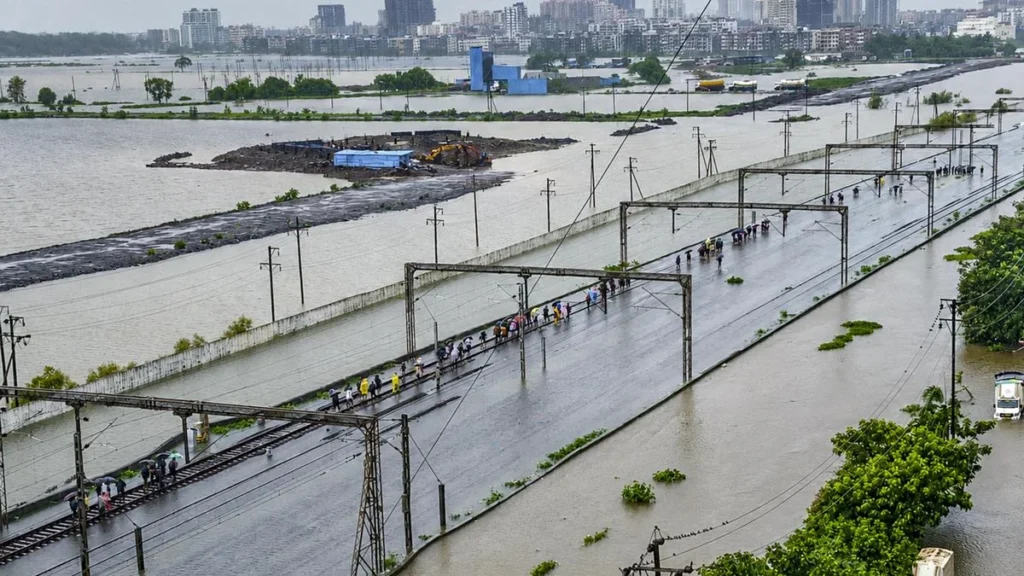
According to data released by the India Meteorological Department (IMD), the situation is becoming increasingly precarious. Numerous districts are currently reporting deficits ranging from 30% to 40%, with several regions witnessing alarming gaps of 50% to 70% below the long-period average (LPA). This uneven distribution—where some areas are left parched while others have dealt with localized waterlogging, as seen in Nallasopara earlier this month—highlights the volatility of the current weather patterns.
The monsoon trough, the primary engine of rainfall across the Indian subcontinent, has shifted into an unfavorable position. Meteorological experts note that the systems required to sustain a healthy, vigorous monsoon flow are currently absent. Without these atmospheric drivers, the state has entered a phase of stagnation, leading to rising temperatures and moisture stress in the soil.
Chronology: From Hope to Anxiety
- June 1, 2026: The official commencement of the monsoon season. Early indicators suggested a slow but steady onset, raising cautious optimism among farmers.
- Early July 2026: A brief burst of activity brought much-needed rain to the Konkan region and central Maharashtra. During this window, some areas actually recorded precipitation exceeding the monthly norm, leading to temporary flooding in low-lying areas such as Palghar.
- July 6, 2026: Heavy rains caused waterlogging in Nallasopara, prompting infrastructure concerns. This proved to be the peak of the recent monsoon activity.
- July 10, 2026: Meteorological signals began to shift. The monsoon trough migrated northward, effectively cutting off the moisture supply to Maharashtra.
- July 13–14, 2026: The IMD confirms that no weather warnings have been issued for the coming 48 hours. The forecast predicts only light to moderate, isolated showers, with no signs of a sustained revival.
The El Niño Factor: A Historical Comparison
The primary culprit behind this atmospheric malaise appears to be the strengthening El Niño in the Pacific Ocean. Climate analysts have been tracking the phenomenon closely, noting that its current trajectory is eerily reminiscent of the 2015-16 season—a year that remains etched in the memory of Indian farmers for its severe impact on national crop yields.
"El Niño typically suppresses monsoon rainfall over the Indian subcontinent," explains a senior climate researcher. "When we look at the historical data dating back to 1950, there is a clear, statistically significant correlation between strong El Niño years and below-normal precipitation. The intensity we are seeing right now is comparable to the 2015-16 cycle, which caused widespread drought conditions across multiple Indian states."
The mechanism is complex: El Niño alters the sea surface temperatures in the Pacific, which in turn disrupts the global atmospheric circulation. For India, this translates into a weakening of the low-pressure systems that usually travel from the Bay of Bengal to the Indian mainland, effectively "drying out" the monsoon winds before they can deliver their full payload of rain.
Regional Disparities and Agricultural Implications
The impact of this shortfall is not uniform. The state is effectively split between regions of relative abundance and zones of severe drought.
The Crisis in Marathwada and Central Maharashtra
Marathwada, a region historically prone to water scarcity, is once again bearing the brunt of the deficit. The lack of consistent rain has delayed sowing operations, which typically rely on adequate soil moisture during the first half of July.

"The rise in temperature, combined with the lack of soil moisture, is putting extreme stress on standing crops," says an agriculture extension officer based in a severely affected district. "Farmers are in a state of suspended animation. They have prepared their land, but they are terrified to sow their seeds because they don’t know if there will be enough moisture to sustain the germination process. They are waiting for a clear signal from the heavens."
The Southern Context
The issue is not limited to Maharashtra. Across the southern states, the narrative remains largely the same, with the exception of Tamil Nadu, which has reported near-normal rainfall. Elsewhere, the recurring theme of the 2026 monsoon has been deficiency, forcing state governments to monitor reservoir levels and groundwater depletion rates with increasing urgency.
Official Responses and Future Outlook
The India Meteorological Department has adopted a watchful, albeit cautious, stance. Officials have emphasized that the monsoon is a dynamic system and that conditions can change rapidly depending on the formation of low-pressure areas in the Bay of Bengal.
"We are currently monitoring the development of potential low-pressure systems in the Bay of Bengal," a spokesperson for the department stated. "If these systems materialize and move in a favorable trajectory, we could see a revival of rainfall in the subsequent weeks. However, until such systems become active, the current dry spell is expected to persist across the state."
For now, the government’s advice to the farming community is to prioritize water management and to stay updated on the latest weather bulletins. However, for a farmer standing in a dry field, the wait for a "potential" low-pressure system is a high-stakes gamble against nature.
Implications: A Looming Food Security Challenge
The implications of a failed or delayed monsoon in Maharashtra extend far beyond the farm gate. As the country’s leading producer of several key crops, any significant reduction in output will ripple through the national economy, affecting food inflation and rural purchasing power.
- Inflationary Pressures: A poor kharif harvest will inevitably lead to higher prices for pulses, oilseeds, and coarse grains, hitting urban consumers hard in the coming months.
- Rural Indebtedness: For farmers, the financial burden of purchasing seeds, fertilizers, and equipment for a failed season can lead to a cycle of debt, which often necessitates government intervention and loan waivers.
- Water Management: As groundwater levels drop due to the lack of recharge, the state faces a dual crisis of agricultural distress and potential drinking water shortages in the months leading up to the post-monsoon period.
Conclusion: The Waiting Game
As the heat rises and the clouds remain thin, Maharashtra stands at a critical juncture. The scientific community has provided the diagnosis: a climate-driven shift in atmospheric currents exacerbated by El Niño. The administrative authorities are providing the warnings: be prepared for a dry spell.
Yet, for the people of Maharashtra, the solution remains entirely dependent on the vagaries of the monsoon. The coming two weeks will be decisive. If the Bay of Bengal delivers the expected moisture, the agricultural cycle may yet be saved. If the current dry spell continues, however, 2026 may go down in history as a year of significant climatic hardship, necessitating a profound shift in how the state manages its water and prepares for the increasingly unpredictable realities of a changing climate.
Until the first heavy rains return, the state remains in a state of anxious, silent watchfulness.