The Future of B2B: Decoding the Social Media Marketing Trends Defining 2025
The digital landscape for business-to-business (B2B) marketing is undergoing a seismic shift. As we transition into 2025, the once-rigid divide between professional corporate communication and consumer-facing content is dissolving. Today’s B2B buyer is no longer just a "corporate entity"; they are an individual professional who expects the same level of authenticity, agility, and value from a software provider as they do from a lifestyle brand.
To remain competitive in this hyper-connected environment, B2B marketers must move beyond traditional lead-generation tactics. The 2025 mandate is clear: cultivate human-centric digital experiences that prioritize trust over transactions.
The Evolution of the B2B Playbook: A Chronology of Change
Historically, B2B marketing was defined by white papers, gated content, and sterile LinkedIn updates. However, the post-pandemic era accelerated a transition toward digital-first engagement.
- 2022–2023: The "Great Humanization." B2B brands began experimenting with video and more casual tones on social channels, realizing that professional buyers were increasingly active on platforms like TikTok and Instagram.
- 2024: The "Data-Driven Pivot." As highlighted in the Netline B2B Content Consumption Report, marketers realized that quantity was no longer king. The demand for personalized, highly relevant content surged, forcing teams to optimize their strategies around actual audience intent rather than vanity metrics.
- 2025 (The Current Outlook): The "Authenticity Integration." This year marks the total integration of AI, influencer partnerships, and long-form storytelling into a cohesive strategy designed to build lasting communities rather than just capturing email addresses.
Supporting Data: Why the Shift is Necessary
The necessity for this evolution is backed by clear market evidence. According to recent industry benchmarks, 72% of B2B marketers have reported tangible success in lead generation through short-form video content. This indicates that professional buyers are now consuming B2B information in the same "snackable" formats they use for personal entertainment.
Furthermore, the rise in demand for authenticity is not merely a stylistic preference—it is a functional requirement. As AI-generated content floods the internet, the human element becomes the primary differentiator. Brands that lean into "consumer truths"—acknowledging real-world challenges rather than just highlighting product features—are seeing significantly higher engagement rates across LinkedIn and YouTube.

Core Trends Shaping 2025
1. The Primacy of Authentic Storytelling
Gone are the days of sterile corporate jargon. In 2025, B2B brands are successfully humanizing their presence by highlighting the people behind the products. Successful storytelling today involves:
- Founder-led content: Allowing leadership to share personal anecdotes regarding industry hurdles.
- Employee Advocacy: Showcasing the internal culture to demonstrate company values.
- Vulnerability in Business: Sharing "lessons learned" from failed projects or industry setbacks, which builds far more trust than polished marketing gloss.
2. The Duality of Video: Short-Form vs. Long-Form
Video is no longer an optional tactic; it is the infrastructure of modern marketing. However, the 2025 strategy requires a bifurcated approach:
- Short-Form (TikTok, Instagram Reels, LinkedIn Shorts): These act as the "hook." They are designed for top-of-funnel discovery, quick tips, and real-time commentary on industry news.
- Long-Form (YouTube, Webinars, Podcasts): These act as the "depth." Once a prospect is hooked, they need long-form content to validate their decision. YouTube remains the premier destination for in-depth product demos, technical tutorials, and high-level thought leadership discussions.
3. Thought Leadership as an SEO Powerhouse
Thought leadership is the bridge between brand awareness and market authority. By positioning executives as industry experts on platforms like LinkedIn, brands achieve two goals: they build trust with potential clients and create high-authority signals for search engines. A consistent stream of original insights, case studies, and contrarian perspectives ensures that when a prospect searches for a solution, your brand is the one they encounter first.
4. The Institutionalization of B2B Influencers
The influencer marketing model, once exclusive to B2C, has been fully adopted by B2B. Partnering with subject matter experts (SMEs) provides an immediate shortcut to credibility. By leveraging the existing trust an expert has cultivated with their audience, B2B brands can bypass the skepticism that often greets cold outreach. A notable success story is the Oracle "On the Fly" series, which utilized 30 different B2B influencers to drive traffic and solidify the brand’s footprint in specialized niches.
Official Industry Perspectives
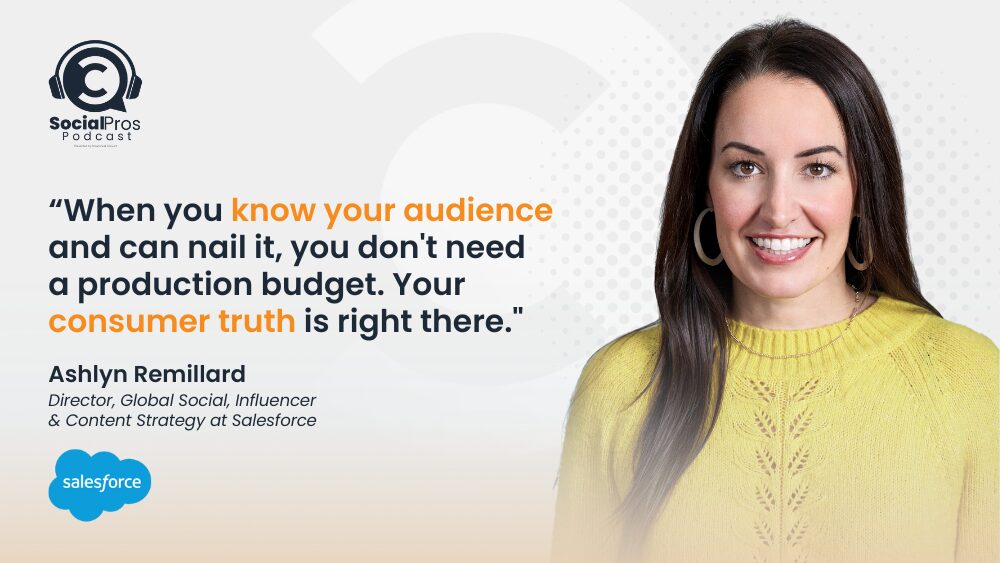
In recent discussions on the Social Pros podcast, industry strategists have emphasized that the most common mistake in 2025 is over-production. As Ashlyn Remillard of Salesforce aptly noted: "When you know your audience, and can nail it, you don’t need a production budget. Your consumer truth is right there."
This sentiment is echoed by digital transformation experts who warn against using AI as a crutch. While AI can optimize campaign timing, streamline content drafting, and identify emerging trends, it cannot replace the "human spark." The goal of AI integration should be to reclaim time—allowing human marketers to focus on strategy and relationship building.
Strategic Implications for Your Brand
What does this mean for your marketing department? The implications are three-fold:
- Resource Reallocation: If your current budget is 80% on paid ads and 20% on content, consider flipping that ratio. In 2025, the long-term value of organic thought leadership and influencer-backed content often outperforms temporary paid spikes.
- Agility Over Perfection: The speed at which social media trends move means that "perfect" content is often "late" content. Organizations must empower their teams to produce authentic, raw, and reactive content without the burden of excessive corporate approval processes.
- Focus on Pain Points: Your content should act as a diagnostic tool. If you can identify the specific, granular pain points that keep your prospective customers awake at night, and provide actionable solutions without asking for a sale in every sentence, you will win the loyalty of your market.
Conclusion: Preparing for the Future
The trends of 2025 are not merely passing fads; they represent a fundamental change in how professional relationships are initiated and maintained. As technology continues to blur the lines between human and machine, the brands that lean into empathy, expertise, and strategic video distribution will be the ones that define the next decade of B2B commerce.
Whether you are just beginning to integrate AI into your workflow or you are looking to scale your influencer program, the priority must remain the same: Connect with the person, not just the role.
For those seeking to navigate these complexities, consulting with experts who understand the intersection of B2B strategy and digital behavior is no longer a luxury—it is a necessity for long-term growth.