The Motorola Edge 70 Max: A Technical Powerhouse Clouded by Corporate Ambiguity
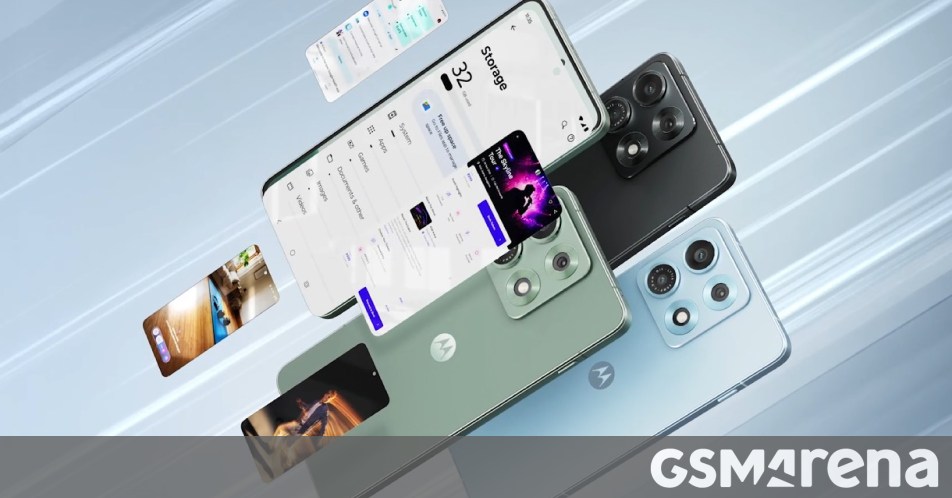
The mobile industry is currently witnessing a fascinating tug-of-war between raw hardware performance and long-term software sustainability. At the center of this discourse is the recently unveiled Motorola Edge 70 Max, a device that sits at the zenith of the Edge 70 series in terms of sheer internal specifications. While it boasts a pedigree of top-tier components—including Qualcomm’s latest silicon and a massive battery—its market reception is being tempered by persistent questions surrounding Motorola’s commitment to post-purchase support.
Main Facts: A Hardware Marvel
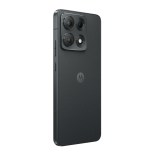
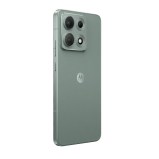
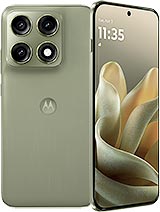
The Motorola Edge 70 Max distinguishes itself immediately from its stablemates, the Edge 70 Pro and Pro+, by prioritizing performance above all else. At its heart lies the Snapdragon 8 Gen 5, a chipset that places the device in a league of its own compared to the Snapdragon 7 and Dimensity 8 series found in the rest of the lineup.
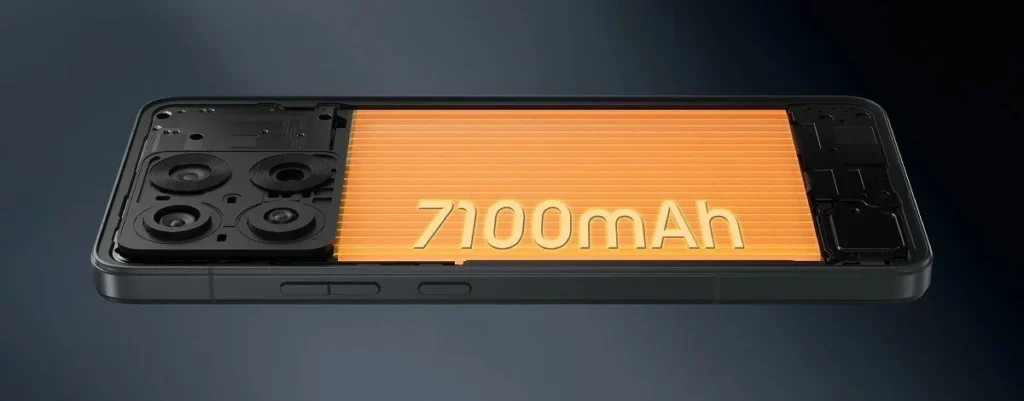
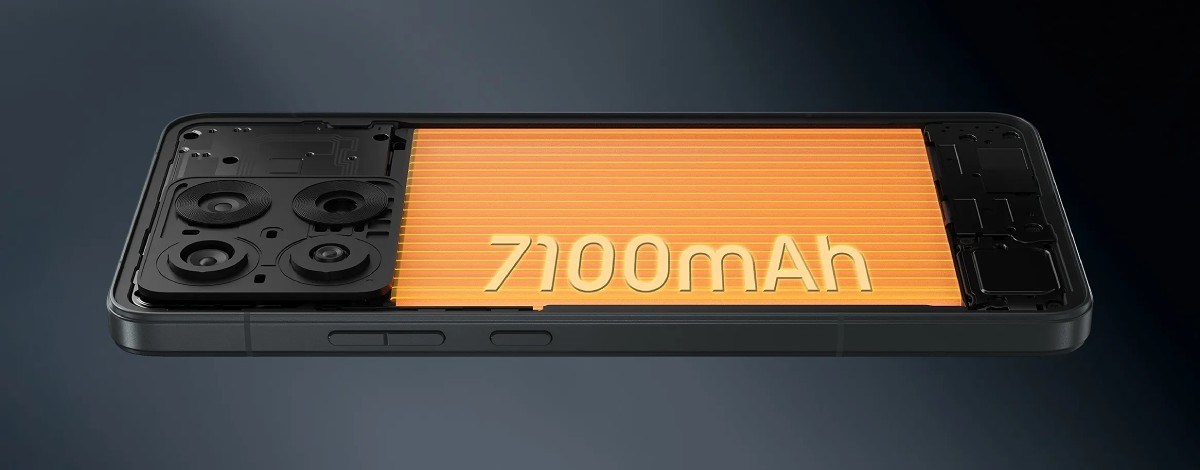
Complementing this processing power is a staggering 7,100mAh battery, a capacity that effectively renders the 6,500mAh cells in the Pro variants look modest. This endurance is paired with 90W wired charging, ensuring minimal downtime. Perhaps most impressively, Motorola has integrated 25W magnetic wireless charging with full Qi 2.2 support. This feature remains an elusive luxury in the Android ecosystem, marking the Edge 70 Max as a rare device that embraces modern magnetic accessory standards.
The visual experience is handled by a 6.82-inch OLED panel. It is the only LTPO-capable display in the series, offering a 1440p+ resolution and a fluid 144Hz refresh rate. With an eye-watering advertised peak brightness of 7,000 nits, the display is engineered to be legible under the most extreme lighting conditions. Encased in an aluminum frame with Gorilla Glass 7i on both faces, and sporting both IP68 and IP69 ratings for ingress protection, the hardware construction is undeniably premium.
A Chronology of the Update Policy Controversy
The launch of the Edge 70 Max was not without friction. In the weeks leading up to its retail debut, Motorola found itself embroiled in a public relations struggle regarding its software update promises.
- Initial Ambiguity: Early press releases and regional support pages offered conflicting information regarding the longevity of the Edge 70 Max.
- Public Outcry: Tech enthusiasts and industry analysts highlighted a disconnect between the device’s high-end price point and its uncertain software future.
- Clarification Attempts: Motorola issued statements in an attempt to rectify the situation. While the company has "all but cleared" the initial controversy, the nuances of these promises remain suspiciously opaque.
- Current State: As it stands, the device is slated for either two or three major OS updates. Similarly, the security patch commitment fluctuates between three and five years, depending on the region and the specific retail channel—a lack of consistency that is difficult to reconcile with a flagship-tier device.
Supporting Data: Specifications and Market Positioning
To understand where the Edge 70 Max sits in the hierarchy, one must look at the comparative data. While the "Max" leads in power and battery, it makes specific sacrifices in the optics department.
| Feature | Edge 70 Max | Edge 70 Pro |
|---|---|---|
| Chipset | Snapdragon 8 Gen 5 | Dimensity 8500 Extreme |
| Battery | 7,100 mAh | 6,500 mAh |
| Display | 1440p+ LTPO OLED | Standard OLED |
| Camera | 50MP Main + 8MP UW | 50MP Main + 50MP UW + 3.5x Telephoto |
| Charging | 90W Wired / 25W Magnetic | 90W Wired / 15W Non-Magnetic |
The camera system on the Max is functional—the 1/1.56-inch main sensor is capable of 4K 60fps recording—but it lacks the specialized telephoto lens found in the Pro series. For the price, which ranges from £700 in the UK to ₹55,000 in India, the trade-off between processor performance and camera versatility is a choice the consumer must make intentionally.
Official Responses and Corporate Transparency
When probed directly on the discrepancy between the hardware’s longevity and the software support lifecycle, Motorola’s responses have been notably guarded. In inquiries regarding the exact number of OS updates, representatives have offered non-committal answers. This creates a "trust gap." For a consumer spending nearly €800, the difference between three and five years of security patches is not just a technicality; it is a fundamental aspect of the product’s value proposition.
In Europe, the company has attempted to sweeten the deal by bundling the device with a pair of Moto Buds Loop and a high-speed charger. While this adds tangible value, it does not address the underlying concern: that the software policy feels like an afterthought rather than a core pillar of the user experience.
Implications: The "Flagship Killer" Dilemma
The existence of the Edge 70 Max forces a critical discussion about what defines a modern flagship. Is it raw performance, or is it the holistic support ecosystem?
1. The Hardware/Software Mismatch
By pairing the industry’s most potent silicon with an uncertain software lifecycle, Motorola has created a device that is arguably "over-engineered" for its intended lifespan. If the phone is rendered legacy software-wise within three years, the Snapdragon 8 Gen 5 will still be a capable chip, leaving the user with a powerful device that is potentially vulnerable to security exploits.
2. The Competitive Landscape
The Motorola Edge 70 Pro and Pro+ present a compelling counter-argument. By choosing a mid-range chipset (the Dimensity 8500 Extreme), they offer a more balanced experience—better cameras and a more predictable price-to-performance ratio. The Pro+ remains a dominant force in the Indian market for a reason: it understands its target demographic and delivers a consistent experience without the "Max" confusion.
3. The Future of the Brand
The controversy surrounding the Edge 70 Max is a microcosm of a larger problem within the Android space. As hardware reaches a plateau, software support has become the new battleground. Samsung and Google have set a high bar with seven years of support for their flagships. Motorola’s inability to commit to a firm, long-term policy—especially for a device with "Max" in the name—suggests a strategic hesitation that could hurt the brand’s premium aspirations in the long run.
Final Verdict: Is the Max Worth It?
The Motorola Edge 70 Max is a tantalizing piece of hardware. The inclusion of magnetic 25W wireless charging, combined with the sheer capacity of the 7,100mAh battery, makes it one of the most interesting phones to hit the market this year. It is a device built for power users, gamers, and those who demand the fastest speeds and the best screens.
However, potential buyers must weigh these benefits against the reality of the software situation. If you are the type of user who upgrades every two years, the update policy is a moot point, and the Edge 70 Max is an easy recommendation. But for those who view their phone as a long-term investment, the ambiguity is a significant red flag.
Motorola has built a formidable machine, but to truly compete at the top of the market, they must match their hardware excellence with a software policy that provides, at the very least, clarity and consistency. Until then, the Edge 70 Max remains a brilliant, albeit slightly compromised, vision of the future.