The Visual Prescription: Top 5 Video Editing Tools Revolutionizing Healthcare Marketing in 2025
The healthcare sector is undergoing a profound digital metamorphosis. As patient expectations shift toward immediate, digestible, and highly visual information, video marketing has evolved from a secondary tactic into the bedrock of modern medical communication. Hospitals, pharmaceutical firms, and private practitioners are now leveraging video to demystify complex medical procedures, humanize clinical expertise, and foster trust in an era of rampant health misinformation.
However, the transition to a video-first strategy is not without hurdles. Healthcare organizations must navigate a minefield of regulatory requirements—most notably HIPAA—while ensuring that sensitive patient data remains protected. They must balance the need for high-quality production value with the necessity of maintaining medical accuracy and professional credibility. In 2025, the barrier to entry has lowered significantly, thanks to a new suite of powerful, intuitive video editing tools that allow marketers to produce cinematic content without requiring a Hollywood budget or a dedicated post-production team.
The Evolution of Healthcare Communication
Historically, healthcare marketing relied on static imagery, brochures, and text-heavy websites. The shift toward video began as a necessity for accessibility, but it has grown into a cornerstone of patient engagement. Data from the last three years suggests that patients are 70% more likely to retain information presented in a video format compared to written articles.

The chronology of this shift is telling:
- 2020-2021: The pandemic forced a rapid pivot toward telemedicine and virtual education, normalizing video-based interactions between providers and patients.
- 2022-2023: Healthcare marketers began adopting short-form video strategies, mirroring the rise of TikTok and YouTube Shorts to share "health hacks" and physician insights.
- 2024-2025: The current era is defined by the integration of AI-assisted editing and high-fidelity animation, allowing for the precise visualization of internal biological processes that were once impossible to capture on camera.
Supporting Data: Why Video Matters
The implications of this shift are backed by empirical evidence. According to current marketing analytics, healthcare videos that utilize professional editing and clear, concise storytelling see a 45% higher conversion rate in appointment bookings. Furthermore, video content is increasingly essential for SEO; YouTube remains the world’s second-largest search engine, and healthcare queries are among the most frequently searched categories. By optimizing video content, organizations can effectively bypass the "noise" of traditional digital marketing and reach patients exactly where they are seeking answers.
Top 5 Video Editing Powerhouses for 2025
To help you navigate the landscape, we have evaluated the five most effective video editing tools tailored for the specific demands of healthcare marketing.
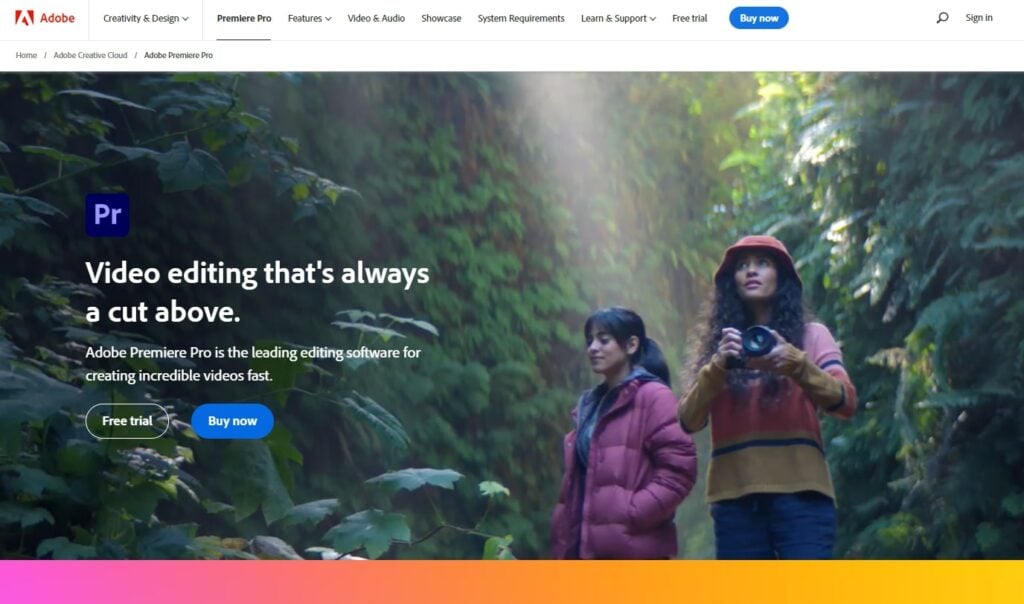
1. Adobe Premiere Pro: The Gold Standard for Professionalism
Adobe Premiere Pro remains the industry leader for a reason. It is the preferred choice for healthcare systems looking to produce long-form, high-impact content, such as patient testimonial documentaries or sophisticated surgical training modules.
- Key Features: Advanced multi-cam editing, industry-leading audio cleanup, and seamless integration with the Adobe Creative Cloud suite (including After Effects for complex medical animations).
- Pros: Unmatched professional capabilities; allows for extreme precision in frame-by-frame editing, which is vital when showcasing medical accuracy.
- Cons: The learning curve is steep. It requires a dedicated editor or significant time investment to master the interface.
- Best for: Large hospital networks and medical device companies that require broadcast-quality production.
- Pricing: $20.99/month.
2. Animaker: Bridging the Gap in Patient Education
Sometimes, live-action footage isn’t enough. To explain how a new medication interacts with a cell, or to illustrate a complex surgical procedure without graphic imagery, animation is essential. Animaker is the premier cloud-based solution for this task.
- Key Features: AI-powered text-to-speech, a vast library of medical-themed assets, and a drag-and-drop character builder.
- Pros: Incredibly intuitive; non-designers can create high-quality explainers in hours rather than days.
- Cons: While powerful, it lacks the frame-by-frame control of a professional NLE (Non-Linear Editor) like Premiere Pro.
- Best for: Public health campaigns and patient education clinics that need to simplify complex jargon.
- Pricing: Free plan available; Paid plans start at $15/month.
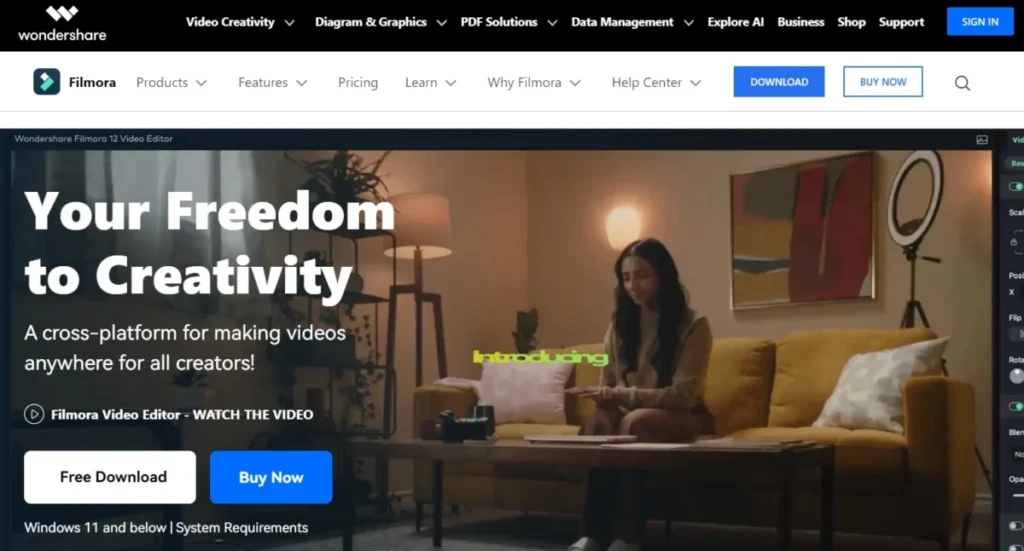
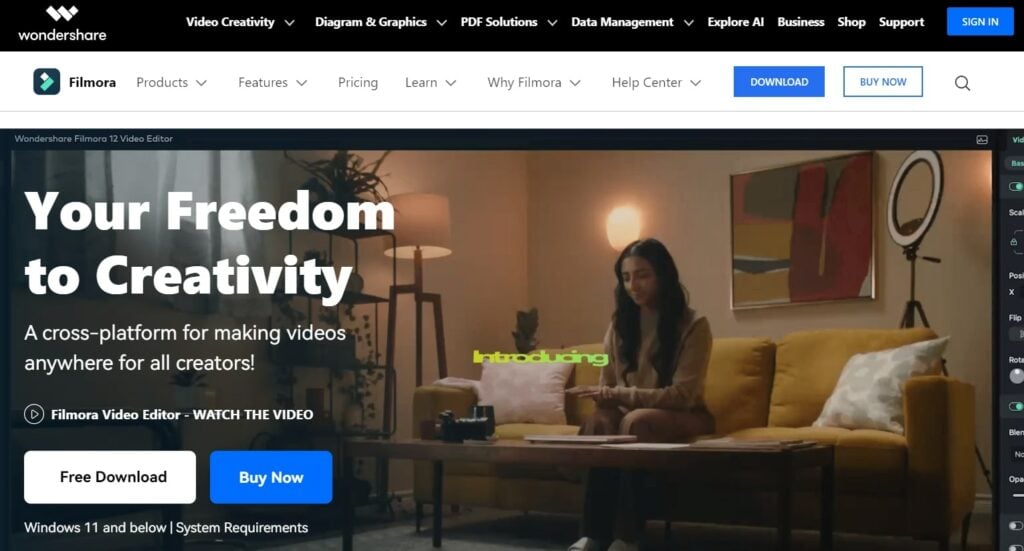
3. Wondershare Filmora: Efficiency Meets Storytelling
Filmora has carved out a niche as the "perfect middle ground." It provides professional-grade tools—such as motion tracking and green-screen capabilities—without the overwhelming complexity of pro-level software.

- Key Features: AI editing tools, auto-captioning (essential for accessibility and SEO), and a vast library of royalty-free stock music and transitions.
- Pros: Fast, snappy, and very easy to learn. Its "Instant Mode" is a lifesaver for busy marketing teams.
- Cons: Occasional performance issues when handling 4K high-bitrate footage.
- Best for: Mid-sized medical practices and independent clinics that need to maintain a steady cadence of social media content.
- Pricing: Starts at $49.99/year.
4. iMovie: The Accessible Baseline for Mac Users
For organizations already embedded in the Apple ecosystem, iMovie remains a robust, free solution. While it is often dismissed as a "hobbyist" tool, its simplicity is its greatest strength for quick-turnaround announcements.
- Key Features: Clean, user-friendly interface; built-in color correction tools; easy export to YouTube.
- Pros: Completely free for macOS users; zero learning curve for anyone familiar with the Apple ecosystem.
- Cons: Limited in terms of advanced effects, multi-track audio mixing, and high-end color grading.
- Best for: Quick internal communications, staff highlights, and simple, low-stakes educational clips.
- Pricing: Free.
5. DaVinci Resolve: The Cinematic Frontier
DaVinci Resolve is the tool of choice for colorists and editors who need to achieve a "cinematic" look. In healthcare, this is increasingly important for high-end facility branding videos where aesthetics directly influence patient perception of quality.
- Key Features: World-class color grading, Fairlight audio post-production, and Fusion for visual effects.
- Pros: The free version is arguably the most powerful free video software on the market. It includes features that other companies charge hundreds for.
- Cons: Extremely hardware-intensive. You will need a high-end computer to run it effectively.
- Best for: High-budget promotional videos, documentaries, and hospital facility tours where visuals need to be pristine.
- Pricing: Free version available; Studio version is a one-time $295 fee.
Implications for Healthcare Marketing Strategy
The adoption of these tools signals a shift in power. No longer is healthcare marketing reliant on external agencies for every minor edit. By bringing video production in-house, organizations can:
- Ensure Compliance: In-house teams have a deeper understanding of HIPAA and internal clinical standards, reducing the risk of accidental privacy breaches in marketing materials.
- Agility: In the event of a public health update or a new clinical finding, organizations can produce and disseminate information in real-time, positioning themselves as trusted authorities.
- Cost-Effectiveness: The shift toward subscription-based or one-time-purchase software allows for a more predictable marketing budget, freeing up capital for paid media distribution.
Official Industry Perspectives
Marketing directors at major medical institutions have noted that the "human element" is the most important metric of success in 2025. "Patients don’t want to see a generic stock video of a stethoscope," says a lead consultant at a top-tier healthcare marketing firm. "They want to see the face of the doctor they will be meeting, the warmth of the hospital lobby, and the clear explanation of their procedure. These tools allow us to capture that warmth and professionalism in a way that resonates emotionally."
Conclusion: Crafting Your Path Forward
The "best" editor is not necessarily the one with the most buttons; it is the one that aligns with your organization’s technical capability and content strategy. For those focused on speed and social media engagement, Filmora or iMovie are excellent starting points. For those prioritizing visual impact and storytelling, Adobe Premiere Pro or DaVinci Resolve will be the long-term investment. If your primary goal is education, Animaker is indispensable.
As we look toward the remainder of 2025, the organizations that will thrive are those that view video not just as a marketing asset, but as a primary channel for patient care and education. By investing in the right tools and fostering a culture of visual storytelling, healthcare providers can build deeper connections, increase patient trust, and ultimately, improve health outcomes through the power of clear, compelling, and accessible information.