Travel Disruptions in Hyderabad: Airport Issues Advisory Amidst State-Wide Gig Worker Strike
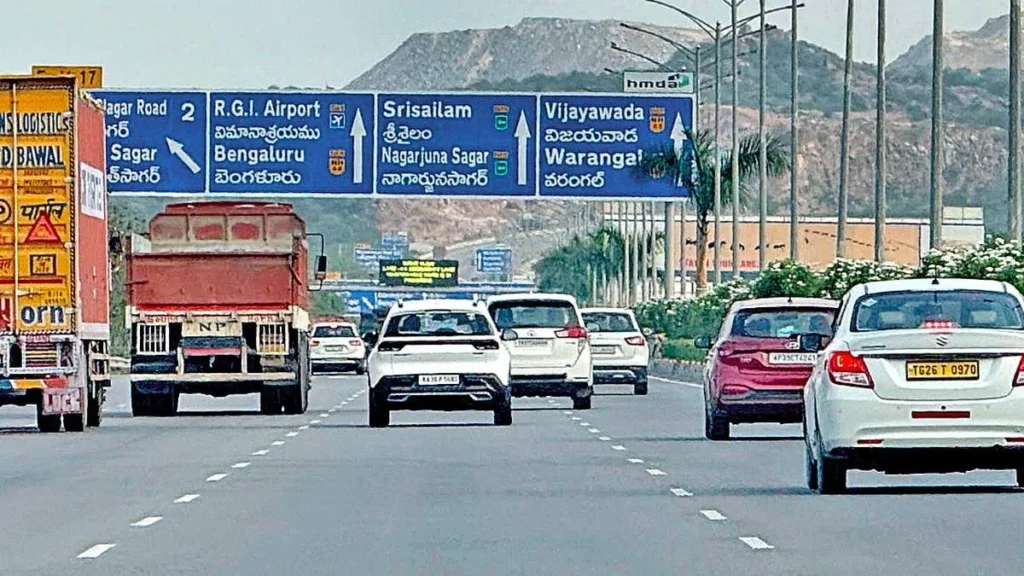
HYDERABAD, July 22, 2026 — Travelers heading to the Rajiv Gandhi International Airport (RGIA) on the outskirts of Hyderabad faced significant uncertainty on Tuesday as a massive, state-wide strike by app-based transport aggregators brought a wave of disruption to the city’s transit ecosystem. The strike, organized by unions representing drivers of major ride-hailing platforms, has prompted airport authorities to issue an urgent travel advisory, urging commuters to reconsider their transit plans to avoid missing flights.
While airport operations remain fully functional and unaffected by the unrest, the ripple effects of the strike have forced the administration to scramble to provide logistical support for thousands of passengers arriving and departing from one of India’s busiest aviation hubs.
Main Facts: The Impact of the Gig Worker Strike
The protest, which began in the early hours of Tuesday, has seen a withdrawal of services by thousands of drivers associated with platforms such as Uber, Ola, and various bike-taxi aggregators. These drivers, who form the backbone of the "last-mile" connectivity for the airport, are demanding better welfare protections, fixed fare structures, and a revision of commission rates imposed by the aggregators.
The RGIA administration, recognizing the potential for passenger distress, released a formal advisory at 09:12 AM on Tuesday. The statement explicitly warned that cab, auto, and bike taxi services are likely to be severely impacted throughout the day. "Passengers are advised to plan their commute in advance, allow additional travel time, and consider alternate transportation options at Hyderabad airport," the statement read.
Despite the chaos on the roads, the airport management emphasized that flight schedules are proceeding as planned. The primary concern is not the aviation infrastructure, but the "first and last-mile" connectivity, which has been severely paralyzed by the agitation.
Chronology of the Disruption
The situation began escalating late Monday night, with various driver unions in Telangana declaring their intention to go on strike. By the early hours of Tuesday, the impact was immediate.
- 05:00 AM: Initial reports of service unavailability began appearing on social media platforms, with users complaining about the inability to book rides to the airport.
- 07:30 AM: Demand for traditional transport surged, leading to long queues at designated taxi stands and bus stops across the city.
- 09:12 AM: The RGIA official handle issued the formal advisory, acknowledging the strike and recommending that passengers seek alternatives like the Pushpak Airport Liner.
- 11:00 AM: Reports indicated that while the airport remained accessible, travel times had increased by an average of 45 to 60 minutes due to increased traffic density and the lack of readily available ride-hailing vehicles.
- 12:30 PM (Current Status): The situation remains fluid. Airport authorities have activated a dedicated help desk at the Aeroplaza to assist stranded passengers in navigating the crisis.
Supporting Data and Context
The strike comes on the heels of recent legislative activity in the Telangana Assembly, where a bill aimed at ensuring social security and welfare for gig workers was passed. While the legislation was hailed as a landmark step toward formalizing the gig economy, driver unions have argued that the implementation of these measures has been sluggish, and the day-to-day economics of driving for app-based platforms have become unsustainable.
Data from the regional transport department suggests that thousands of vehicles are participating in the strike. With the airport located approximately 25 to 30 kilometers from the city center, the reliance on app-based aggregators is near-total for many business travelers and tourists. The absence of these services creates a vacuum that the state-run transit system is currently struggling to fill.

Official Responses and Mitigation Efforts
The RGIA management has been proactive in its communication. Recognizing that the airport acts as a gateway for international and domestic commerce, they have highlighted several contingency measures:
- Pushpak Airport Liner: The state-run bus service, known for its punctuality and comfort, has been recommended as the primary alternative. The airport administration is in contact with the Telangana State Road Transport Corporation (TSRTC) to ensure increased frequency on routes serving the airport.
- Prepaid Taxis and Car Rentals: The airport’s internal prepaid taxi counters and pre-booked car rental services remain operational. These are not dependent on the app-based aggregator networks, providing a safer harbor for passengers who have not yet secured travel.
- Dedicated Help Desk: The transport help desk located near the Aeroplaza has been staffed with additional personnel to guide passengers toward available transport options, including shared cabs or private bus services that are still operating.
"We are monitoring the situation hour-by-hour," a spokesperson for the airport stated. "Our priority is to ensure that no passenger misses their flight due to these external circumstances."
Implications for the Gig Economy
The strike highlights the volatile nature of the gig economy in urban India. As Hyderabad continues to grow as a global tech and aviation hub, the dependency on app-based aggregators has created a "single point of failure" in transport logistics.
Economic Impact
For the passengers, the immediate impact is a rise in costs, as traditional taxi services and private shuttles often surge in price during periods of high demand and low supply. For the drivers, the strike is a desperate bid to force aggregators to the negotiation table regarding the "gig worker welfare bill" passed earlier this year. The strike serves as a stress test for the new welfare regulations; if the government cannot ensure the stability of these services, the economic productivity of the entire region faces a significant threat.
Future Transit Policy
Experts argue that this incident serves as a wake-up call for urban planners in Hyderabad. The reliance on private, app-based platforms for critical infrastructure connectivity is risky. The push for more robust public transit options, such as the expansion of the Metro line to the airport and a more resilient fleet of state-run buses, is likely to become a central point of debate in the upcoming legislative sessions.
Advice for Passengers
For those scheduled to travel through RGIA in the next 24 to 48 hours, the following guidelines are recommended:
- Allow Extra Time: If you usually allot two hours for travel to the airport, double that time. The uncertainty surrounding road transport means delays are inevitable.
- Prioritize Public Transport: Where possible, utilize the Pushpak airport buses. They are currently the most reliable mode of transport and are less susceptible to the service withdrawals affecting private cabs.
- Check Official Channels: Follow the official RGIA X (formerly Twitter) handle for real-time updates. Avoid relying solely on unofficial social media reports, which may inflate the severity of the situation.
- Seek Assistance: Upon reaching the terminal area, if you find yourself stranded or in need of guidance, proceed directly to the Aeroplaza help desk. The staff there are equipped to provide the latest information on shuttle availability and alternate transport providers.
As the city watches the unfolding situation, the strike serves as a reminder of the delicate balance between labor rights and the seamless functionality of essential services. For now, the passengers of Hyderabad must navigate this transit hurdle with patience, planning, and a reliance on the city’s public infrastructure.