Government Intensifies Outreach to End NEET Protests as Sonam Wangchuk Sets Conditions for Peace
New Delhi, July 22, 2026 — In a significant escalation of diplomatic efforts to quell the nationwide unrest surrounding the NEET paper leakage scandal, the Union government has initiated high-level talks with prominent activists and student organizations. The move signals a pivot from confrontation to negotiation, as the administration grapples with an organic, youth-led movement that has caught the political establishment off-guard.
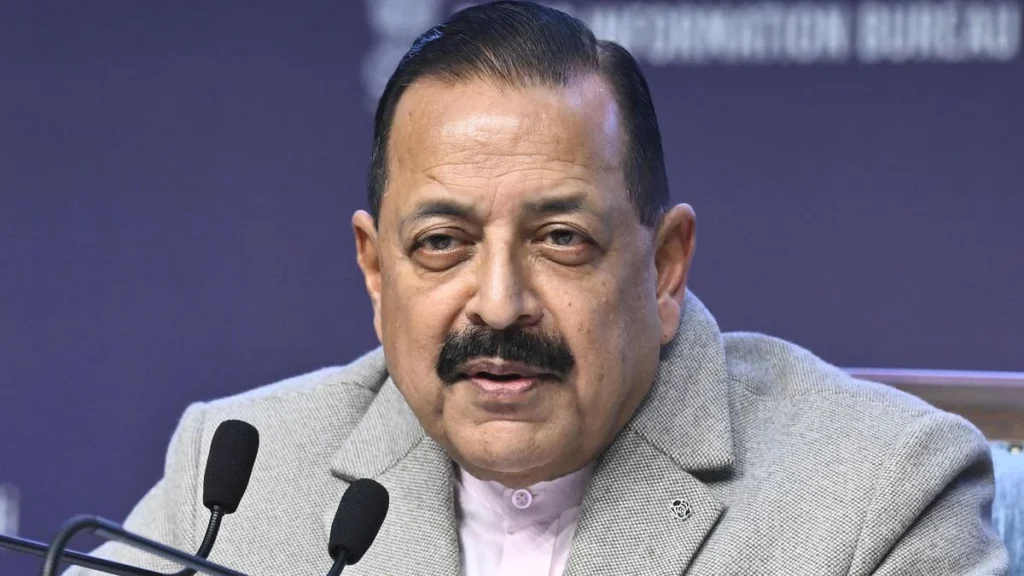
Union Ministers J.P. Nadda and Jitendra Singh held a critical meeting with climate activist and educator Sonam Wangchuk late Tuesday evening. Mr. Wangchuk, who has been observing a hunger strike in protest of the systemic failures in the national medical entrance examination, was visited by the ministers at Medanta Hospital in Gurugram, where he is currently receiving medical care.
The Path to Potential De-escalation
The engagement between the government and Mr. Wangchuk represents a notable shift in the tone of the NEET protest movement. Mr. Wangchuk, who has become a symbolic figurehead for the aggrieved students, issued a formal statement on Wednesday indicating his willingness to suspend his hunger strike, provided the Centre meets specific, non-punitive demands.
The primary condition laid out by Mr. Wangchuk is an "unequivocal assurance" from the government that no student protesters will face legal or retaliatory action for their participation in the movement. "Their only ‘offence’ has been to raise their voice for a fair and accountable education system," Mr. Wangchuk noted in his statement.
Furthermore, the activist highlighted that during the meeting, the ministers offered assurances regarding a "meaningful discussion in Parliament" aimed at ensuring accountability. Notably, this conversation included the possibility of reviewing the tenure of the Education Minister—a departure from the previously rigid demand for an immediate resignation. Mr. Wangchuk also revealed that he had been visited by approximately 65 Members of Parliament from across the political spectrum, all of whom urged him to prioritize his health and conclude the hunger strike.

A Chronology of the Crisis
The NEET controversy erupted on July 20, 2026, when a massive, organically mobilized protest march in the capital caught the government by surprise. Unlike traditional political rallies, this movement was characterized by the participation of thousands of students and aspirants whose future hinges on the integrity of the examination process.
- July 20: The protest movement gains significant traction, marking a rare instance of large-scale, non-partisan youth mobilization in New Delhi.
- July 21: Recognizing the potential for the situation to spiral into a broader political crisis, the government holds a marathon internal meeting chaired by Home Minister Amit Shah. Following this, Union Ministers J.P. Nadda and Jitendra Singh are dispatched to engage directly with stakeholders.
- July 22: The ministers visit Sonam Wangchuk at Medanta Hospital. Simultaneously, J.P. Nadda holds preliminary discussions with representatives of the Cockroach Janta Party (CJP), Saurav Das and Ashutosh Ranka, to solicit formal written demands.
The Political and Social Implications
The government’s proactive outreach reflects a growing anxiety within the ruling Bharatiya Janata Party (BJP). Insiders admit that while the party is well-versed in handling political combat with the Congress, the current unrest is different. It is fueled by deep-seated anxieties among the youth regarding their future, job prospects, and the perceived breakdown of the education system.
The "youth" segment is a critical pillar of Prime Minister Narendra Modi’s socio-political framework. In previous public addresses, the Prime Minister identified four pillars of his governance: the poor, women, farmers, and the youth. The current NEET crisis has directly impacted the third pillar, threatening to erode the BJP’s support base among young voters—a development the party is keen to address ahead of crucial legislative elections in Uttar Pradesh early next year.
Coordination and Compensation
Beyond the immediate political negotiations, the government has begun mapping out a support mechanism for the families most affected by the crisis. Sources within the Union government confirmed that they are in the process of coordinating with various State governments to establish a compensation framework for families who have lost children to suicide, a tragedy directly linked to the distress caused by the cancellation and leakage of the NEET exams.
This move is viewed as a humanitarian effort to stabilize the situation and demonstrate a "caring" approach, as the government attempts to shift the narrative from one of administrative failure to one of restorative justice.

The Role of Parliament
J.P. Nadda, acting as the government’s primary interlocutor, emphasized that Parliament remains the only appropriate forum to address the crisis in its entirety. During a press conference on Wednesday, Mr. Nadda stated that he has invited various stakeholders to submit their grievances in writing to facilitate a "threadbare" discussion.
"We are in talks and we will continue to engage," Mr. Nadda said, acknowledging that while no formal meeting with CJP leadership occurred on Wednesday, the government remains committed to a sustained dialogue. The goal, according to the Minister, is to move beyond temporary patches and work with the Opposition to devise long-term, structural solutions to the endemic issue of examination paper leakages.
The Challenges Ahead
Despite the government’s efforts, the road to resolution remains fraught with difficulty. The protesters, particularly the student base, have become increasingly skeptical of institutional assurances. The demand for "accountability" is not merely limited to the cancellation of a single exam cycle but extends to systemic reforms that guarantee the sanctity of future assessments.
Furthermore, the involvement of diverse political entities—including the 65 MPs who visited Mr. Wangchuk—suggests that the issue will be a central theme in the upcoming Parliamentary sessions. The government’s ability to navigate these discussions without further alienating the youth will be the ultimate test of its political management.
A senior minister, speaking on condition of anonymity, remarked on the complexity of the situation: "The protests are one part of the issue. The real challenge is the systemic anxiety. We are looking at a generation that is not just angry about one test, but concerned about the predictability and fairness of their entire career trajectory."

As the government waits for the student groups and Mr. Wangchuk to formalize their written demands, the capital remains on high alert. The success of the current outreach efforts will largely depend on whether the government can offer tangible reforms that go beyond rhetoric, providing the youth with a renewed sense of security in the national examination architecture.
Conclusion
The events of July 22, 2026, mark a turning point in the NEET protest saga. By engaging directly with figures like Sonam Wangchuk and soliciting input from student organizations, the Centre is attempting to de-escalate a volatile situation before it reaches a point of no return. However, as the government prepares for the upcoming parliamentary session, it faces the dual challenge of satisfying the demands of the protesters while maintaining its authority in a climate of intense scrutiny. The coming days will reveal whether this "meaningful discussion" will result in structural policy shifts or remain a temporary bridge over a deep, systemic fissure.