The Democratization of Development: A Comprehensive Guide to Claude Code for Non-Coders
The landscape of artificial intelligence is undergoing a seismic shift, moving from passive conversational models to "agentic" systems capable of executing complex tasks autonomously. At the forefront of this transition is Anthropic’s Claude Code, a tool that promises to bridge the gap between technical expertise and creative ambition. While traditional software development once required years of syntax mastery, a new era has emerged where natural language serves as the primary programming language.
This article provides an in-depth exploration of Claude Code, based on insights from AI educator Tyler Reed and Michael Stelzner. We examine the technical foundations, the step-by-step implementation process, and the broader implications for a workforce increasingly defined by AI collaboration.
Main Facts: What is Claude Code?
Claude Code represents Anthropic’s foray into agentic AI—software designed not just to suggest text, but to interact with a computer’s file system, browse the web, and execute terminal commands. Unlike the standard Claude.ai chat interface, Claude Code is a Command Line Interface (CLI) tool.
Key Characteristics:
- Agentic Capability: It can research, write code, establish API connections, and troubleshoot errors without constant human intervention.
- Natural Language Processing: Users interact by typing or speaking instructions in plain English (e.g., "Connect my Gmail to my Slack").
- Human-in-the-Loop Security: By default, the tool requires explicit permission before it modifies files, accesses the internet, or deletes data.
- Context Awareness: Through specific file structures, it maintains a persistent memory of project goals across different sessions.
The central thesis presented by Tyler Reed is that a coding background is no longer a prerequisite for automation. The barrier to entry has shifted from "knowing how to code" to "knowing how to describe a process."
Chronology: From Installation to Automation
The transition from a standard AI user to an AI automation creator follows a specific technical path. For those unaccustomed to the "plain black screen" of a computer terminal, the process can appear daunting, but it is structured to be accessible.
Phase 1: The Foundation
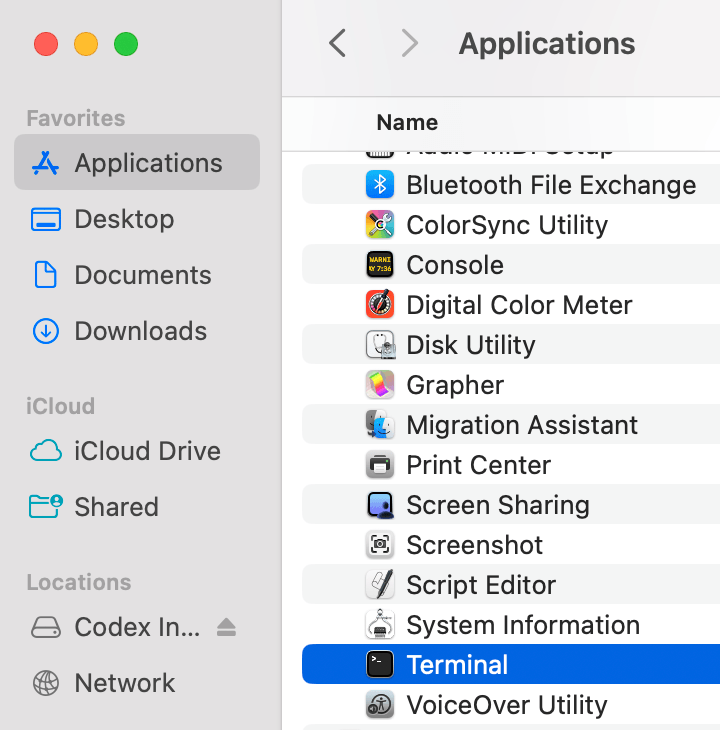
Before deployment, two requirements must be met. First, a Claude Pro subscription ($20/month) is necessary to handle the high token usage and advanced reasoning required for agentic tasks. Second, the user must access their operating system’s terminal (Terminal on Mac, Command Prompt or PowerShell on Windows).
Phase 2: Installation and Authentication
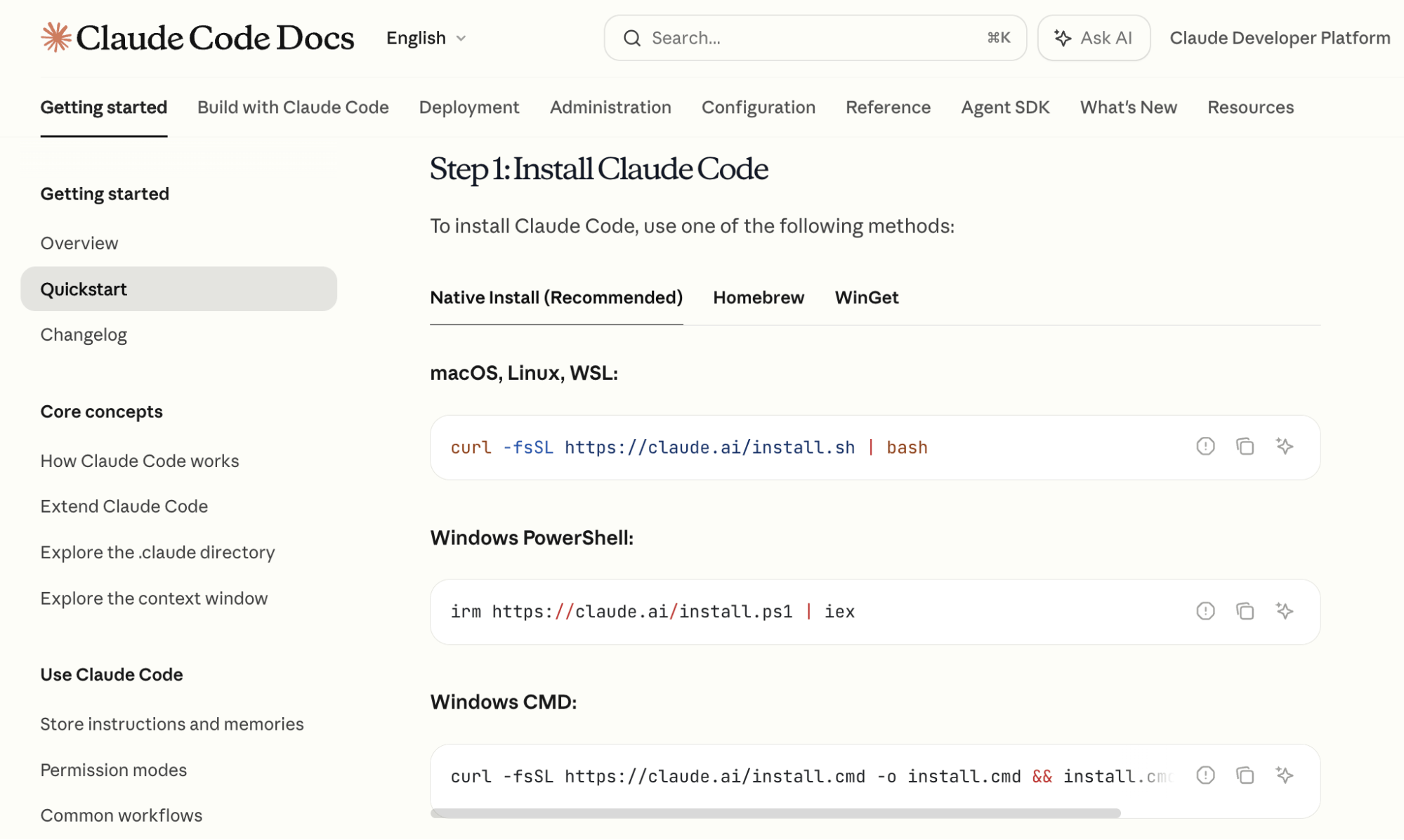
- Command Execution: Users navigate to Anthropic’s official documentation to copy a specific installation string.
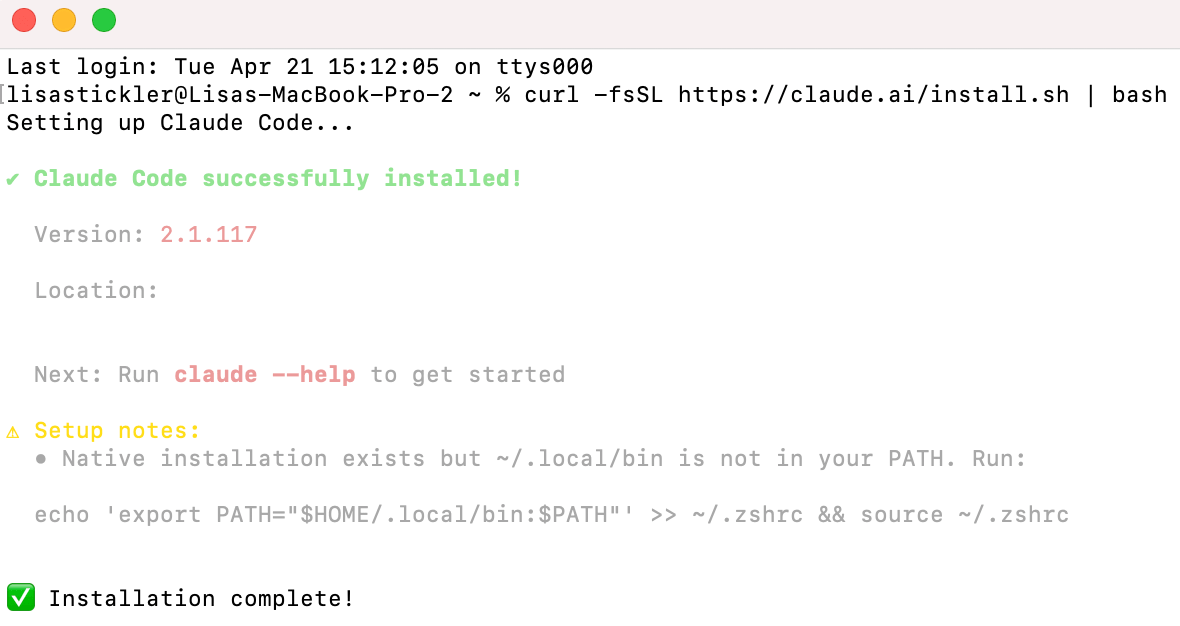
- Environment Setup: Once pasted into the terminal, the system installs the necessary dependencies.
- Authentication: Typing
claudetriggers a browser-based OAuth login, linking the local terminal session to the user’s Anthropic account.
Phase 3: Model Selection and Strategy
Once inside, the user must choose the "brain" for the operation. Tyler Reed recommends a bifurcated strategy:
- The Planning Phase: Utilizing Claude 3 Opus. Due to its superior reasoning and massive context window, Opus is used to outline the architecture of an automation.
- The Execution Phase: Utilizing Claude 3.5 Sonnet. Once the plan is set, Sonnet is preferred for the actual writing of code due to its speed and efficiency.
Supporting Data: Building the Calendar-Telegram Bridge
To demonstrate the power of Claude Code, Reed outlines a practical use case: a custom assistant that summarizes a Google Calendar and sends a daily briefing via Telegram. This automation replaces the need for expensive third-party integration tools like Zapier or Make.com for specific, high-customization tasks.
Technical Components of the Automation:
- Google Cloud Console: Claude Code guides the user through creating a project in the Google Developer Console, enabling the Calendar API, and generating OAuth 2.0 credentials.
- Telegram Bot API: Through the
/telegramcommand, the AI assists in creating a "BotFather" token, which acts as the digital handshake between the AI and the messaging app. - The Scripting Logic: Claude Code writes a Python or JavaScript script that runs in the background, fetches the next day’s events at a set time (e.g., 8:00 AM), summarizes them using LLM reasoning, and pushes the text to the Telegram API.
Context Management Data:
A critical feature of Claude Code is the Context Window. In the terminal, a percentage indicator shows how much "memory" is currently occupied.

- The
/compactCommand: This reduces the history of the conversation into a concise summary, freeing up "tokens" (the currency of AI processing) so the tool can continue working on large projects without hitting technical limits. - CLAUDE.md: By using the
/initcommand, the tool creates a markdown file. This serves as the project’s "Source of Truth," allowing the AI to remember exactly where it left off in a previous session.
Official Responses and Security Context
Anthropic has designed Claude Code with a specific emphasis on safety, distinguishing it from more "unhinged" autonomous agents that might inadvertently damage a user’s system.
The "Permission-First" Framework
Every time Claude Code attempts a high-stakes action—such as editing a configuration file or accessing a private directory—it generates a prompt: Allow this action? (y/n). This human-in-the-loop requirement is Anthropic’s answer to the "alignment problem," ensuring the agent does not go rogue during complex operations.
Expert Insight: Tyler Reed’s Philosophy
Reed argues that the most successful users of Claude Code are those who treat the AI as a "junior developer." He suggests that when technical jargon becomes overwhelming, users should append the phrase "explain like I’m five" to their prompts. This forces the AI to translate complex API documentation into actionable, simple steps, further lowering the barrier for non-technical entrepreneurs.
Implications: The Future of the "Non-Coder"
The rise of tools like Claude Code suggests a fundamental shift in the labor market and the creator economy.
1. The Death of the Integration Tax
For years, businesses have paid monthly fees for "connector" softwares. Claude Code allows a user to build their own bespoke connectors that live on their local machine or a private server, eliminating recurring costs and providing total control over data privacy.
2. Custom Skills as Intellectual Property
One of the most advanced features of Claude Code is the ability to create Custom Skills. Reed illustrates this with a YouTube research skill:
- The Command:
/youtube-research - The Action: The AI browses YouTube, identifies top-performing videos from competitors, downloads audio for transcription, and analyzes the content.
- The Implication: Marketers can now build a library of proprietary "slash commands" that automate their specific workflows, creating a massive competitive advantage in efficiency.
3. The New Literacy
As Claude Code and similar tools (like GitHub Copilot or Replit Agent) become mainstream, "coding" will likely be viewed less as a specialized trade and more as a basic literacy, similar to typing or using a spreadsheet. The value will shift from the ability to write the code to the ability to architect the solution and audit the AI’s output.
4. Continuous Connectivity
The current limitation of Claude Code is that the terminal session must remain open for the automation to run. However, the logical next step—and one already being explored by power users—is deploying these Claude-written scripts to "always-on" cloud environments. This moves the automation from a local tool to a global enterprise solution.
Conclusion
Claude Code is more than just a developer tool; it is a gateway for the "technically curious" to exert the same digital leverage as a seasoned software engineer. By combining Anthropic’s high-reasoning models with a direct interface to the computer’s operating system, it removes the friction between an idea and its execution.

As Tyler Reed emphasizes, the era of "I can’t build that because I don’t know how to code" is effectively over. In its place is a new challenge: "What is worth building?" For marketers, creators, and entrepreneurs, the answer to that question will define their success in the agentic age of artificial intelligence.
About the Experts
Tyler Reed is an AI educator and consultant who specializes in teaching non-technical professionals how to leverage agentic AI. Through his "AI Agency" community, he focuses on practical, real-world automations that drive business growth.
Michael Stelzner is the founder of Social Media Examiner and the host of the AI Explored podcast, where he investigates the practical applications of emerging technology for the modern business landscape.