Jammu Region Grapples with Tragedy: Death Toll Rises to 26 Following Catastrophic Flash Floods
The Jammu region is reeling as search and rescue operations enter a critical phase, with the discovery of more bodies confirming the grim scale of the recent weather-induced catastrophe.
As of Thursday, July 23, 2026, the official death toll from the devastating flash floods and landslides that have battered the Jammu region climbed to 26. The most recent recovery—that of 25-year-old Khalida Kouser in Poonch district—has highlighted the ongoing anguish of families waiting for news of their missing loved ones. Across the entire Union Territory of Jammu and Kashmir, the total loss of life now stands at 29, marking one of the most severe weather-related disasters in the region in recent years.
The Human Cost: A Community in Mourning
The recovery of Khalida Kouser’s body near the Fazalabad footbridge in the Surankote area of Poonch district serves as a harrowing reminder of the night of July 18, when the region was caught off guard by a sudden and violent deluge. Ms. Kouser had been swept away in the torrents that decimated Murrah village. Her body, discovered in a decomposed state, was transported to the Sub-district hospital in Surankote, where it was formally identified by the local village Lambardar, Zakir Hussain.
Following the completion of necessary legal and medical formalities, the remains were returned to her grieving family. The tragedy in Murrah village is particularly acute; the list of the deceased from that single night includes multiple generations of families, among them 59-year-old Noor Safia, 16-year-old Sajad Ahmed, 11-year-old twins Haqnawaz and Shahnawaz Ahmed, and two-year-old Sofian. The sheer scale of the loss in Poonch—which now accounts for 17 of the 26 deaths in the Jammu division—has left the district’s social fabric shattered.
Chronology of the Disaster: A Week of Fury
The tragedy began on the night of July 18, 2026, when torrential rainfall triggered sudden flash floods and massive landslides across the undulating terrain of the Jammu region.
- July 18 (The Night of Terror): Extreme weather conditions led to the swelling of local rivulets and streams. Murrah village, in particular, was overwhelmed by a wall of water and debris, catching residents in their homes as they slept.
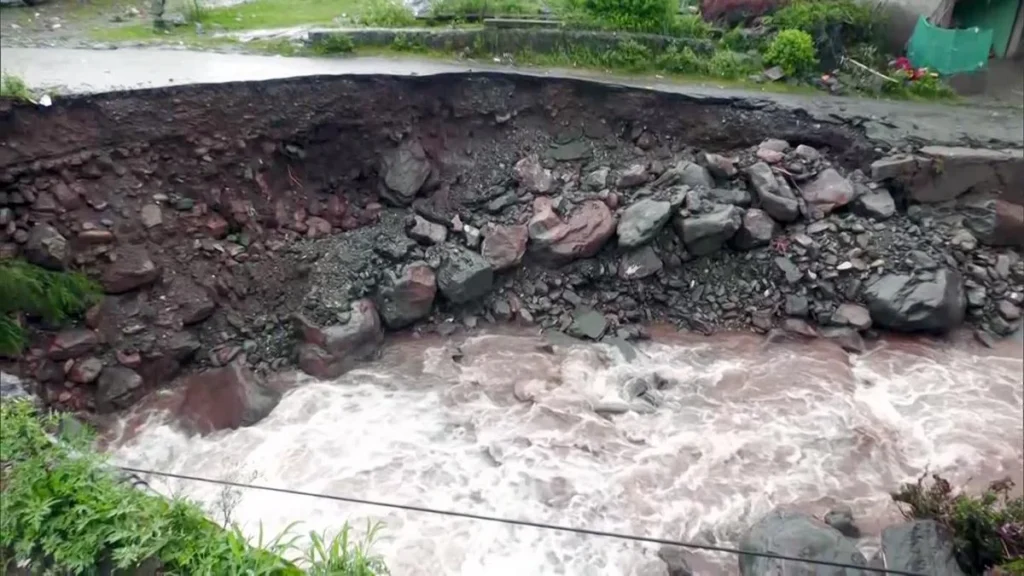
- July 19–20 (Immediate Aftermath): As dawn broke, the scale of the destruction became apparent. Infrastructure, including the Fazalabad footbridge and critical road networks, had been obliterated. Initial rescue efforts were hampered by blocked roads and unstable soil, preventing heavy machinery from reaching the most affected hamlets.
- July 21–22 (Search Operations Intensify): Authorities and paramilitary forces, including the State Disaster Response Force (SDRF), intensified search efforts. Despite the risk of further landslides, recovery teams pushed deeper into the silted riverbeds.
- July 23 (Grim Milestones): The discovery of Khalida Kouser’s body marked a somber milestone, pushing the regional death toll to 26. Officials confirmed that while recovery efforts are ongoing, the window for finding the remaining six missing individuals is closing rapidly.
Supporting Data: The Regional Impact
While the Jammu region has borne the brunt of this meteorological event, the impact has been felt across the Union Territory. The following breakdown illustrates the severity of the crisis:

- Poonch District: 17 deaths (the highest concentration of fatalities).
- Remaining Jammu Division: 9 deaths.
- Kashmir Valley (Bandipora & Budgam): 3 deaths total (2 in Bandipora, 1 in Budgam).
- Missing Persons: 6 individuals remain unaccounted for, prompting continued large-scale search operations by civil and military personnel.
The economic and structural damage is extensive. Preliminary assessments suggest that hundreds of hectares of agricultural land have been washed away, livestock have perished, and critical civilian infrastructure—including bridges, power lines, and water supply systems—has been crippled, leaving many villages isolated.
Official Responses and Rescue Coordination
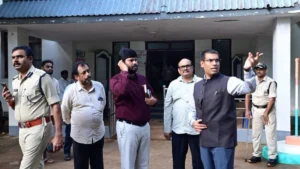
The administration has mobilized all available resources to manage the crisis. The rescue operations are currently being conducted as a multi-agency effort, involving the local police, the SDRF, and, where necessary, the Indian Army.
"Our priority remains the recovery of the missing persons and providing immediate relief to those displaced by the floods," a senior official stated on Thursday. "The terrain makes the search process incredibly dangerous, as the ground remains saturated and prone to further slippage. However, we are committed to continuing the search until the last missing person is accounted for."
The government has also initiated the process of damage assessment to facilitate compensation for the families of the deceased and those who have lost their homes and livelihoods. Medical teams have been deployed to the affected areas to monitor for potential outbreaks of waterborne diseases, given the contamination of local water sources.
Implications: A Vulnerable Geography
The scale of the destruction in July 2026 has reignited the debate surrounding climate resilience and disaster preparedness in the Himalayan region. Experts have long warned that the combination of erratic weather patterns and unscientific infrastructure development increases the risk of landslides and flash floods.
1. Environmental Fragility
The Jammu region’s geography is inherently vulnerable. Steep slopes, combined with the removal of forest cover for road expansion and construction, have significantly reduced the land’s natural capacity to absorb extreme rainfall. The events of July 18–23 underscore the urgent need for a more sustainable approach to development in the region.

2. Infrastructure Resilience
Many of the rural communities that suffered the most were reliant on aging or inadequately reinforced infrastructure. The failure of small bridges and the blockage of access roads delayed the arrival of critical medical aid, suggesting that future disaster management plans must prioritize the strengthening of "last-mile" connectivity in remote mountain villages.
3. Early Warning Systems
While weather departments issued warnings, the speed with which the flash floods developed highlights a gap in local-level early warning dissemination. Strengthening the reach of sirens and community-based alert systems is essential to ensure that residents in high-risk zones can evacuate to higher ground before the water arrives.
Looking Ahead: A Long Road to Recovery
As the search operations continue, the focus will gradually shift toward long-term rehabilitation. The government faces the monumental task of rebuilding damaged infrastructure and restoring livelihoods for thousands of people whose homes and crops were swept away in a single night.
For the families of the victims, however, the road to recovery is far more personal. The loss of 29 lives across the region—including children and entire family units—is a tragedy that will leave a lasting scar on the community. As the authorities provide their final reports and the monsoon continues its volatile course, the people of Jammu and Kashmir remain in a state of high alert, wary of the skies and mourning those who could not be saved.
In the coming days, the government is expected to release a comprehensive relief package. Whether this is enough to address the root causes of such disasters remains to be seen, but for now, the primary goal remains clear: to bring closure to the families of the missing and to stabilize a region that has been profoundly shaken by nature’s fury.